
Educational App Development in 2026 and How to Build One

Educational app development is the process of turning a teaching idea, whether it’s a course, a quiz bank, a tutoring service, or a language drill, into a working piece of software that learners can use on their own schedule. In 2026, that process looks less like a multi-month engineering project and more like a series of clear decisions about content, features, and how the app gets built.
Learners now expect apps that track their progress, adapt to their pace, and work as well on a phone as on a laptop. That raises the bar for anyone building one, but it also means the fundamentals matter more than ever: know your learner, plan the right features, and pick a build path that matches your resources. This article walks through what an educational app actually does, the main types you can build, the features worth planning for, and the practical steps to get from idea to launch.
What educational app development means
At its core, educational app development is about structuring knowledge so someone can absorb it in small, repeatable sessions. That could be a five-minute quiz, a ten-lesson course, or an ongoing conversation with a tutor. The technical build matters less than the learning design behind it.
Good educational app development starts with a clear outcome. What should a learner be able to do after using your app that they couldn’t do before. Every screen, lesson, and feature should trace back to that answer, rather than being added because it seemed useful.
Common types of educational apps
Most educational apps fall into a handful of familiar shapes, though many combine more than one.
- Course apps that deliver structured lessons in sequence, often with video or text plus a wrap-up quiz.
- Quiz and practice apps built around repetition, spaced review, and quick feedback loops.
- Tutoring apps that connect learners with a live or AI-assisted tutor for one-on-one help.
- Language apps focused on vocabulary, listening, and speaking practice in short daily bursts.
- Apps for kids, which lean on simple navigation, audio cues, and parental oversight features.
Knowing which shape fits your idea early on keeps the feature list focused instead of trying to be everything at once.
Core features to plan
Whatever type you build, a few features tend to show up in nearly every successful educational app. Lessons or content modules that can be updated without a full rebuild. Progress tracking so learners see how far they’ve come. Assessments or quizzes that check understanding, not just completion.
User accounts matter too, since most learning happens over days or weeks, not one sitting. Beyond that, gamification like streaks and badges, plus certificates on completion, are optional but effective for keeping motivation up. Plan these based on what your learners actually need, not what looks impressive on a feature list.
Plan your app around learners and goals
Before any design or code, get specific about who you’re building for. A working parent practicing a language during a commute needs something different than a university student preparing for exams. Session length, tone, and pacing should all follow from that picture.
Pair the learner profile with a measurable goal, such as course completion rate or quiz accuracy over time. That goal should guide which features make the first version and which can wait. A smaller app that clearly serves one type of learner beats a broad one that serves nobody well.
Choose your build approach
You generally have three paths: hire developers, use a no-code platform, or build with an AI-assisted tool that generates working software from a description. Hiring gives full control but costs the most time and money. No-code platforms move faster but often hit limits once your app needs custom logic like adaptive quizzes.
An AI-assisted build approach sits between the two. You describe the app you want in plain language, and it generates a real, working product you can refine and extend, which is often the fastest way to get from concept to something learners can actually use.
Steps to build your educational app
Once you know your learner and your approach, the build itself follows a fairly consistent path from idea to launch.
- Write down the core lessons or content, even in rough outline form.
- Sketch the main screens: home, lesson view, progress, and account.
- Build a working version focused on one learning path, not every feature at once.
- Test it with a handful of real learners and note where they get stuck.
- Add tracking, assessments, or gamification based on what testing shows you need.
- Launch, then keep refining content and features based on actual usage.
Treat the first version as a starting point rather than a finished product. Educational content and learner needs both shift over time, so the app should be easy to update as you go.
Every dependency I add during a growth spurt is a small bet on someone else’s maintenance discipline, not just my own.
Itamar Haim
Where Sticklight fits
Sticklight turns a plain description of your educational app into a production-ready website, app, dashboard, or internal tool, built by the Elementor team and powered by Claude. Describe the course platform, quiz app, or tutoring dashboard you want to build, and Sticklight handles the heavy lifting of turning that prompt into working software, helping you become a full-stack creator without needing a development team on standby.
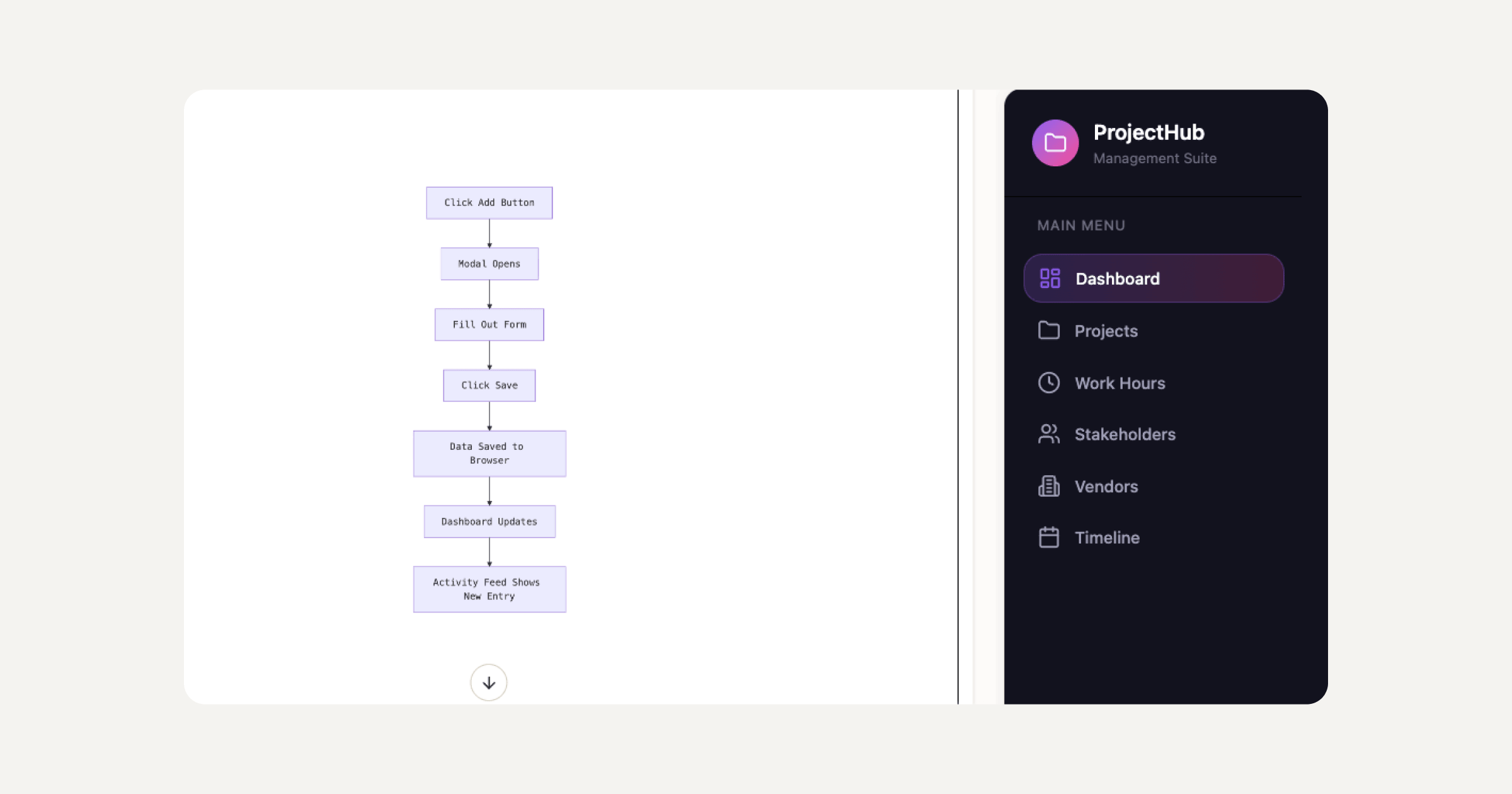
If you already run a WordPress or Elementor site for your teaching business, Sticklight fits alongside it rather than replacing it. You can keep your existing marketing site or blog exactly as it is and use Sticklight to build the interactive learning experience, whether that’s a standalone app or a dashboard your site links out to.
Frequently asked questions
What is an educational app?
An educational app helps people learn through lessons, courses, quizzes, practice, or tutoring, often with progress tracking and assessments to guide the learner.
What features should an educational app have?
Common essentials are lessons or courses, progress tracking, quizzes or assessments, user accounts, and clear navigation. Many add gamification, reminders, and certificates.
How do I build an educational app?
Define your learners and goals, plan the content and features, choose a build approach, create the core learning flow, then test with real users before adding more.
How do educational apps make money?
Common models include subscriptions, one-time course purchases, freemium tiers, in-app purchases, and institutional or school licensing.
Do I need to code to build an educational app?
Not necessarily. Modern build tools can create much of the app for you, though advanced features like adaptive learning may need developer support.
Built by the Elementor team. Powered by Claude.
Let it glow.