
Emergent vs Adalo: AI Code Generation or No-Code App Building

Emergent vs Adalo comes down to two different starting points for building an app. Emergent turns a natural-language prompt into full-stack, ownable code. Adalo uses a drag-and-drop visual editor to assemble native mobile and web apps without writing code. Both get you a working app in front of users quickly, but the underlying approach, the output you end up with, and the pricing differ in ways worth understanding before you commit to either.
This comparison lays out what each platform actually is, how their plans are priced, and where a third option, Sticklight, fits if you’re a professional creator who wants production-ready output without leaving the WordPress and Elementor ecosystem.
- Emergent generates full-stack web and mobile applications from natural-language prompts, and you own and can export the resulting code.
- Adalo is a no-code visual builder focused on native mobile apps, with direct publishing to the Apple App Store and Google Play Store as well as the web.
- Emergent’s paid plans start at $17 per month billed annually for 100 monthly credits; Adalo’s paid plans start at $36 per month billed annually for its Starter tier.
- Both platforms offer a $0 Free plan, Emergent with 10 monthly credits and Adalo with a 500-record database limit.
- Adalo’s pricing is flat and plan-based with no usage-based charges, while Emergent’s tiers run on a monthly credit allowance.
- Sticklight, built by the Elementor team and powered by Claude, is worth considering if you want production-ready sites, apps, dashboards, and tools that stay additive to an existing WordPress and Elementor stack.
What Emergent and Adalo actually build
Emergent is an AI platform that generates full-stack web and mobile applications, dashboards, e-commerce sites, and SaaS products from natural-language descriptions. The output is production-ready code that you own and can modify, with GitHub integration for version control and deployment. Higher tiers add larger context windows and custom AI agents, so if you want a head start on real, exportable code rather than a closed visual canvas, this is where Emergent points.
Adalo takes a different route. It’s a no-code platform built around a drag-and-drop visual editor for assembling app screens and components, backed by its own built-in database for storing app data. Its defining feature is native publishing: apps built in Adalo can go directly to the Apple App Store and Google Play Store, in addition to running as web apps. That makes it a fit if you want a real mobile app in the stores without writing or owning the underlying code.
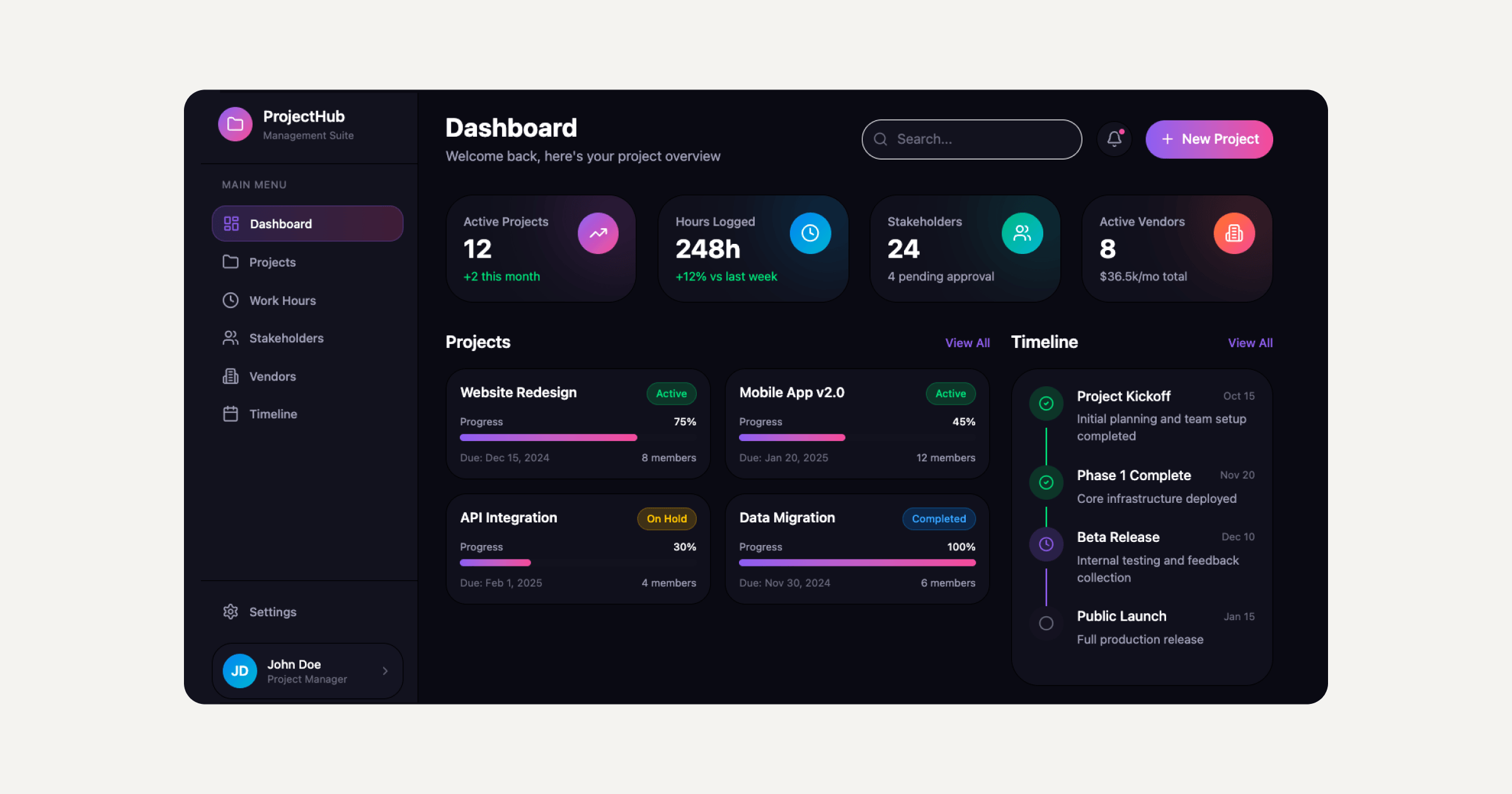
Emergent vs Adalo at a glance
| Dimension | Emergent | Adalo | Sticklight |
|---|---|---|---|
| What it is | AI platform generating full-stack apps from natural-language prompts | No-code visual builder for native mobile and web apps | Vibe-coding platform for professional web creators |
| Output | Owned, exportable production-ready code | App-store-ready native mobile apps and web apps | Production-ready websites, apps, dashboards, CMS, and internal tools |
| Backend / data | Not specified beyond owned, modifiable production code | Built-in database, 500-record limit on the Free plan | Generated as part of the full-stack build |
| Publish / hosting | GitHub integration for version control and deployment | Direct publishing to Apple App Store, Google Play Store, and web | Publish included, additive to an existing WordPress and Elementor site |
| Best for | Teams wanting ownable, exportable code from a prompt | Builders wanting a native app in the app stores without code | Professional creators wanting full-stack output tied to their WordPress and Elementor workflow |
| Entry pricing | Free ($0/month, 10 credits); Standard $17/month billed annually, 100 credits/month | Free ($0/month); Starter $36/month billed annually | Additive to your WordPress/Elementor stack |
Pricing and plans
Emergent runs a four-tier structure. The Free plan is $0 per month with 10 monthly credits. Standard is $17 per month billed annually with 100 credits per month. Pro is $167 per month billed annually with 750 credits per month and access to custom AI agents. Enterprise pricing is custom and adds SSO and role-based access control, and you’d contact sales directly for that.
Adalo also uses a four-tier structure, but the pricing is flat rather than credit-based. The Free plan is $0 per month. Starter is $36 per month billed annually and is the entry point for publishing to the app stores. Professional is $52 per month billed annually, adding capacity aimed at small and medium business use. Team is $160 per month billed annually, supporting multiple editors and multiple apps for agencies and freelancers. Adalo also offers a separate, custom-priced “Adalo Blue” tier for enterprise needs. Monthly (non-annual) billing runs roughly 20% higher, though Adalo doesn’t itemize exact monthly dollar figures on its official pricing page.
For either platform, treat the tier limits, credit allowances, and record caps as the practical deciding factor as much as the sticker price. A prompt-heavy workflow will hit Emergent’s credit ceiling before it hits a dollar limit, and an Adalo app with growing data needs will reach the Free plan’s 500-record cap quickly.
Where Sticklight fits for a professional creator
Neither Emergent nor Adalo is built around WordPress or Elementor, so if you’re already running sites on that stack, you end up managing a separate tool, a separate login, and a separate deployment path alongside your existing workflow. Sticklight approaches the same prompt-to-app idea, but as an additive layer to WordPress and Elementor rather than a standalone destination. The flow is prompt, build, publish: a prompt generates production-ready output, including websites, apps, dashboards, CMS setups, and internal tools, and publishing is part of the same flow rather than a separate export or App Store submission step.
Built by the Elementor team and powered by Claude, Sticklight is a logical option if you already work inside WordPress and Elementor and want to extend that stack with full-stack, production-ready output rather than replace it. That doesn’t make Sticklight the right fit for everyone. If you specifically need exportable code outside any CMS, Emergent’s ownership model may still suit you better, and if your only goal is a native app store listing, Adalo’s direct publishing path may still suit you better. AI agents are on Sticklight’s roadmap, coming soon rather than shipped today, so if you’re evaluating agent-specific functionality right now, weigh that against Emergent’s already-available custom AI agents on its Pro tier.
Frequently asked questions
Which is better for building a mobile app, Emergent or Adalo?
Adalo is built specifically around native mobile app publishing, with direct submission to the Apple App Store and Google Play Store as a core feature. Emergent can generate mobile applications from a prompt as part of its broader full-stack output, but its defining strength is owned, exportable code rather than a dedicated app-store publishing pipeline.
Does Emergent or Adalo pricing work out better for a small project?
It depends on which constraint hits you first. Both offer a $0 Free plan. Emergent’s Free plan includes 10 monthly credits, while Adalo’s Free plan caps out at a 500-record database. Whether generation credits or data storage matters more for your project decides which one stretches further.
Do I own the code Emergent or Adalo generates?
With Emergent, yes: it explicitly states that its generated code is production-ready and owned and exportable by you, with GitHub integration supporting that workflow. Adalo’s own materials don’t describe exportable underlying code in the same way. It’s a no-code visual builder where your app is managed within its platform.
Where does Sticklight fit next to Emergent and Adalo?
Sticklight is a separate, additive option if you’re already using WordPress and Elementor. Rather than choosing a standalone AI code generator or a standalone no-code app builder, you can use Sticklight to turn a prompt into production-ready websites, apps, dashboards, CMS, and internal tools that stay connected to your existing site.
Built by the Elementor team. Powered by Claude.
Let it glow.
