Emergent vs Bubble: comparing two approaches to building web apps

Emergent and Bubble tackle web app building from opposite directions. One turns a prompt into a full-stack app you can export and modify. The other hands you a visual canvas and expects you to wire up the interface, database, and logic yourself. Both get you to a working app without a traditional code-first build, but the construction work happens in different places.
This page breaks down what each platform actually does, how it handles output, backend, and pricing, and where a third option, Sticklight, fits if you want production-ready results from a single prompt.
- Emergent generates a full-stack application from a natural-language description and hands you code you own and can modify.
- Bubble is a visual, no-code editor: you assemble the interface, database, and workflow logic by hand inside the browser.
- Emergent’s pricing is published and starts at a free plan with 10 monthly credits, then $17 per month (Standard, billed annually).
- Bubble doesn’t publish verified current pricing figures; check their site for current pricing before you compare costs.
- Bubble hosts apps on its own infrastructure with no code export; Emergent exports code and integrates with GitHub.
- Sticklight, built by the Elementor team and powered by Claude, generates production-ready websites, apps, dashboards, CMS, and internal tools from a prompt and publishes them, positioned as additive to your existing WordPress or Elementor stack.
What each platform is built for.
Emergent is an AI platform that generates full-stack web and mobile applications from natural-language descriptions. You own the generated code, you can export and modify it, and the platform connects to GitHub for version control and deployment. Higher tiers add a larger context window and access to more advanced models, and the Pro plan includes custom AI agents.
Bubble is a browser-based visual development platform for building multi-user web applications. It combines a drag-and-drop UI editor with a pixel and responsive layout engine, a built-in hosted database for defining data types, fields, and relationships, and a visual Workflow Engine for backend logic, scheduled events, and API-triggered actions. A Plugin Marketplace adds third-party integrations for payments, email, maps, and AI, and a built-in API Connector calls external REST APIs directly. Bubble outputs web applications hosted on its own infrastructure. Native mobile app store builds need a third-party wrapper, and usage on current plans is measured and billed in Workload Units.
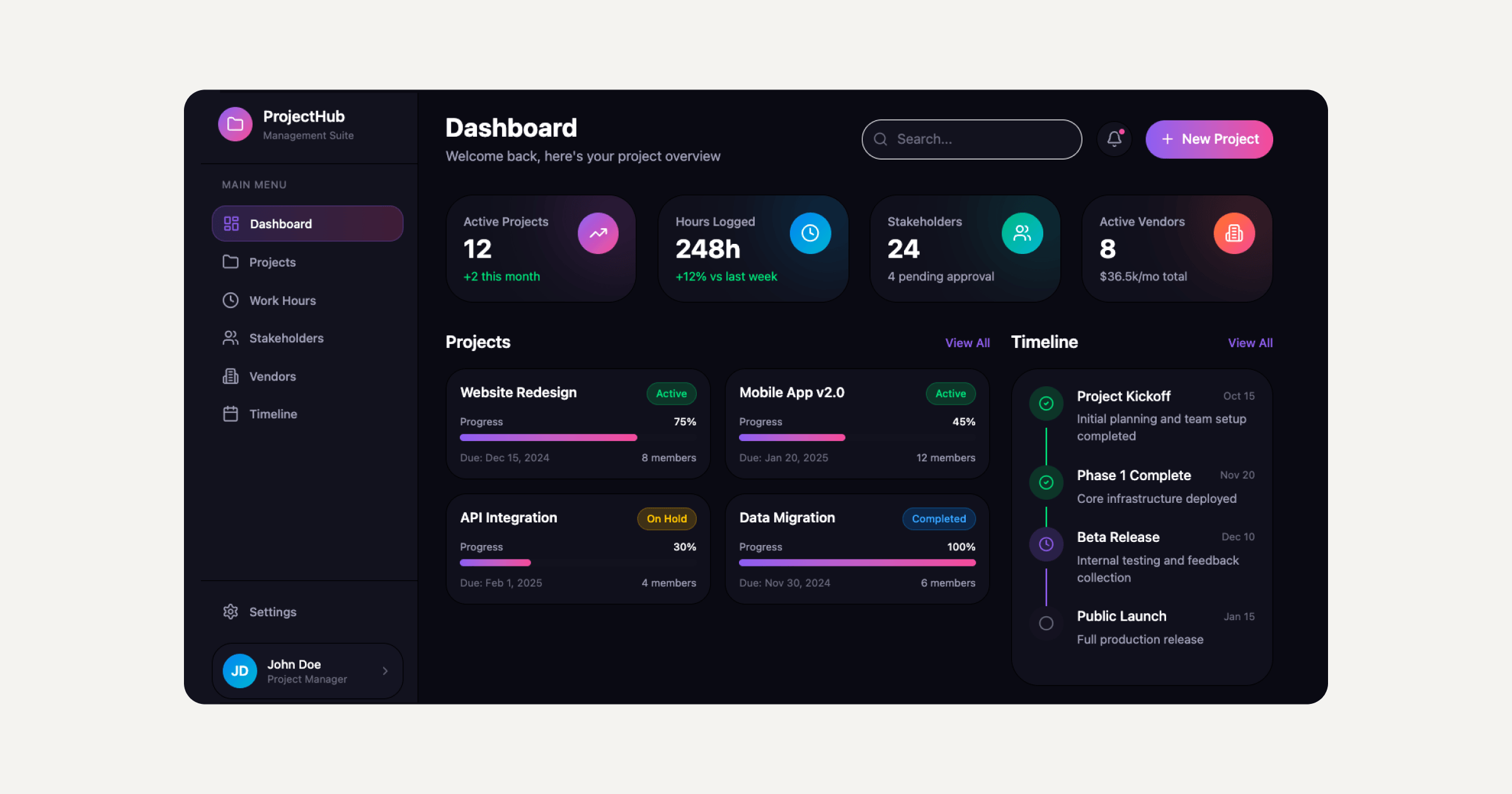
Emergent vs Bubble at a glance
| Dimension | Emergent | Bubble | Sticklight |
|---|---|---|---|
| What it is | AI platform that generates full-stack apps from natural-language prompts | Visual, browser-based no-code development platform | Vibe-coding platform that turns a prompt into a production-ready site, app, dashboard, CMS, or internal tool |
| Output | Web, mobile, dashboards, e-commerce, and SaaS apps; code is owned and exportable | Web applications; no code export; native mobile needs a third-party wrapper | Production-ready websites, apps, dashboards, CMS, and internal tools |
| Backend / data | Not detailed publicly beyond production-ready code you own and can modify | Built-in hosted relational database plus a visual Workflow Engine for logic | Generated as part of the production-ready build |
| Publish / hosting | GitHub integration for version control and deployment | Hosted on Bubble’s own infrastructure | Publish included, additive to your existing WordPress or Elementor setup |
| Best for | Teams that want an exportable codebase generated from a prompt | Builders who want a visual editor, hosted database, and plugin ecosystem without writing code | Professional creators who want full-stack, production-ready output from one prompt |
| Entry pricing | Free ($0/month, 10 credits); Standard $17/month billed annually (100 credits/month) | Check their site for current pricing | Additive to your WordPress/Elementor stack |
Pricing and plans.
Emergent publishes a tiered pricing structure. The Free plan is $0 per month with 10 monthly credits. Standard runs $17 per month billed annually with 100 credits per month. Pro is $167 per month billed annually with 750 credits per month and custom AI agents. Enterprise pricing is custom, arranged by contacting sales, and adds SSO and RBAC.
Bubble’s plan grid renders client-side, and its current verified figures aren’t published on the canonical pricing page in a form that can be confirmed here. Because no verified price appears in the source data, this comparison states no figure for Bubble. Check their site for current pricing before you budget.
Where Sticklight fits for a professional creator.
Emergent and Bubble solve the “build an app” problem from opposite directions: one generates code from a prompt, the other hands you a visual editor and expects you to assemble the pieces. Sticklight, built by the Elementor team and powered by Claude, takes the prompt-to-production route further. From a single prompt it produces a production-ready website, app, dashboard, CMS, or internal tool and publishes it, rather than stopping at generated code or a hosted no-code app. It’s also additive rather than a replacement, designed to sit alongside your existing WordPress or Elementor workflow instead of asking you to move your whole stack. Sticklight’s Agents feature is coming soon, not yet shipped, which is a real distinction worth noting against Emergent’s Pro-tier custom agents today.
If you already work inside the Elementor or WordPress ecosystem and want to go beyond a single website into full applications and internal tools, without hand-building a database and workflow logic the way Bubble requires, or without managing exported code the way Emergent’s model does, Sticklight gives you a more direct path from prompt to a published, production-ready result.
Frequently asked questions
What’s the main difference between Emergent and Bubble?
Emergent generates a full-stack application from a natural-language prompt and gives you exportable code. Bubble is a visual editor where you build the interface, database, and logic by hand, and the resulting app stays hosted on Bubble’s infrastructure with no code export.
Does Bubble have a free plan?
That’s not confirmed in the pricing data available for this comparison, so this page doesn’t state whether Bubble offers a free plan. Check their site for current pricing.
Can I export the code Emergent generates?
Yes. The code Emergent generates is yours to export and modify, and the platform integrates with GitHub for version control and deployment.
Can I build a native mobile app in Bubble?
Not directly. Bubble outputs web applications, and getting a native app store build means adding a third-party wrapper rather than using Bubble alone.
How does Sticklight fit alongside Emergent and Bubble?
Sticklight is a separate, prompt-to-production platform built by the Elementor team and powered by Claude. It generates production-ready websites, apps, dashboards, CMS, and internal tools and publishes them, and it’s designed to be additive to your existing WordPress or Elementor stack rather than a full replacement for either approach.
Built by the Elementor team. Powered by Claude.
Let it glow.