
Emergent vs Budibase: AI app generation compared to low-code app building

Emergent and Budibase take two different routes to the same goal: working software without writing every line by hand. Emergent turns your natural-language prompts into full-stack web and mobile applications, handing you code you own and can modify. Budibase takes a low-code route instead, a platform for building business web applications and automations on top of an internal or connected data source. Both suit teams that want working software fast, though the method and the pricing structure differ.
Here’s what each platform generates, how pricing breaks down, and where Sticklight fits if you want production-ready output built by the Elementor team.
- Emergent generates full-stack apps from your natural-language prompts and gives you code you own and can export.
- Budibase is a low-code platform built around an internal data model, Budibase DB, with support for external SQL and REST sources.
- Emergent’s paid plans run from $17 per month (Standard, billed annually) to $167 per month (Pro, billed annually), plus a Free plan with 10 monthly credits.
- Budibase’s cloud plans run from $19 per month (Pro) to $299 per month (Business), alongside a free, self-hosted open source edition.
- Both platforms offer AI agent features: Emergent through custom AI agents on its Pro plan, Budibase through configurable AI agents with instructions and tools.
- Sticklight is a separate option built by the Elementor team that turns a prompt into a production-ready website, app, dashboard, CMS, or internal tool, additive to an existing WordPress or Elementor stack.
How Emergent and Budibase differ.
Emergent positions itself as an AI platform that generates full-stack web and mobile applications from natural-language descriptions. According to its published pricing and feature list, the code you get is yours to own and export, and the platform includes GitHub integration for version control and deployment. Higher tiers add a larger context window, access to more advanced models, and custom AI agents on the Pro plan. Emergent doesn’t publish specifics about its backend or data model beyond describing the output as production-ready code you can modify.
Budibase describes itself as a low-code platform for building business web applications and automations. It includes a built-in data source called Budibase DB, alongside support for external data sources such as SQL databases and REST APIs. Row limits scale by plan, from tens of thousands of rows on lower tiers up to 500,000 rows on higher cloud tiers, with unlimited rows on the enterprise and open-source editions. Budibase also supports building AI agents with configurable instructions and tools, and its self-hosted open-source edition sits apart from its cloud plans.
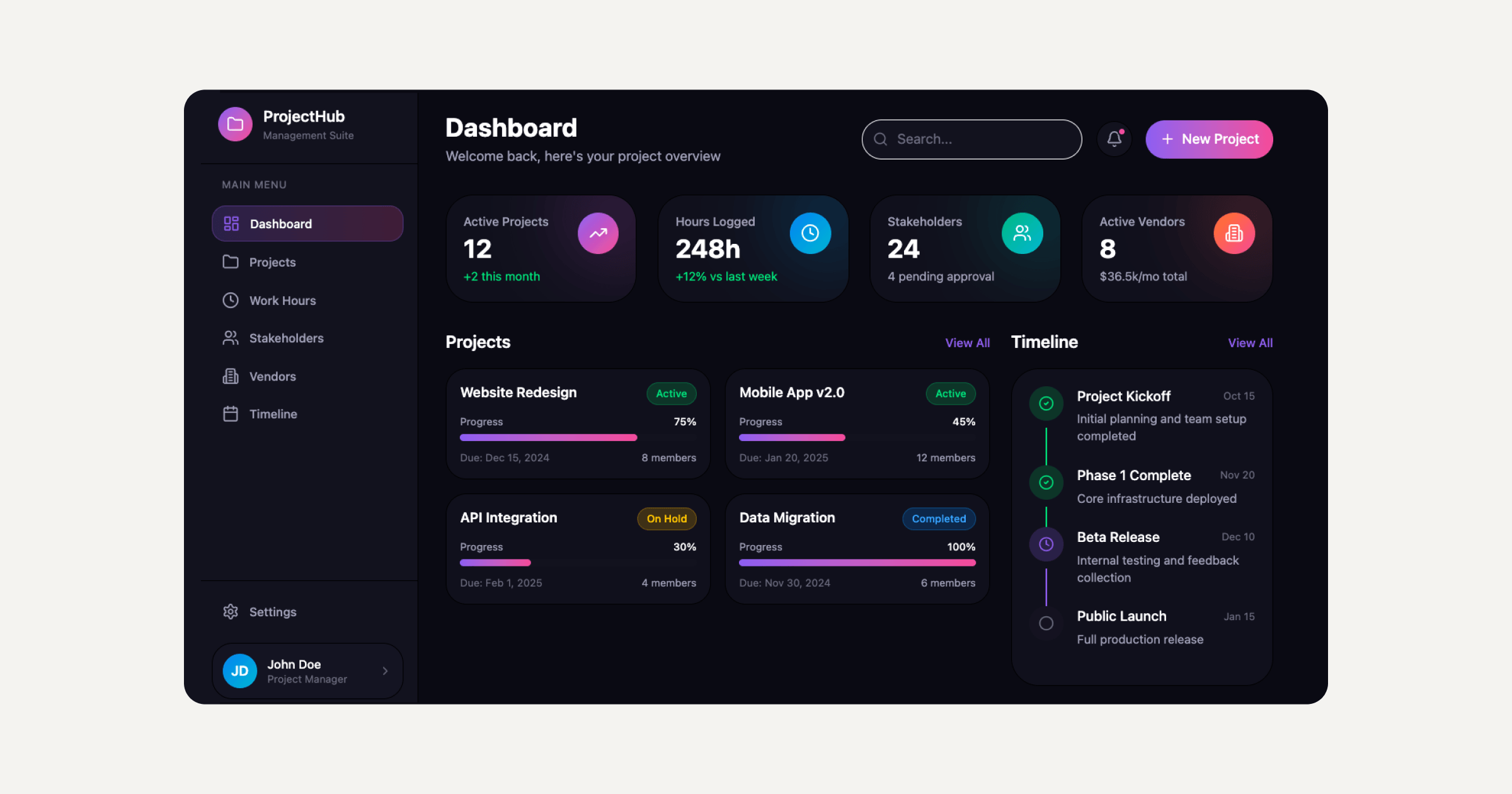
Emergent vs Budibase at a glance.
| Dimension | Emergent | Budibase | Sticklight |
|---|---|---|---|
| What it is | An AI platform that generates full-stack web and mobile applications from natural-language descriptions. | A low-code platform for building business web applications and automations. | A vibe-coding platform that turns a prompt into a production-ready website, app, dashboard, CMS, or internal tool. |
| Output | Production-ready code you own and can modify, covering web, mobile, dashboards, e-commerce, and SaaS. | Business web apps and automations built on an internal or connected data source. | Production-ready websites, apps, dashboards, CMS, and internal tools from a single prompt. |
| Backend / data | Not specified beyond user-owned, exportable code. | Built-in Budibase DB, plus external SQL databases and REST APIs. | Works alongside an existing WordPress or Elementor stack. |
| Publish / hosting | GitHub integration for version control and deployment. | Cloud or self-hosted deployment, depending on plan. | Publish is included as part of the prompt to build to publish flow. |
| Best for | Teams that want AI-generated, exportable full-stack code from a prompt. | Teams building internal business applications on a low-code, data-first platform. | Professional creators who want production-ready, full-stack output without leaving their WordPress or Elementor workflow. |
| Entry pricing | Free plan ($0/month, 10 credits); Standard from $17/month, billed annually. | Free, self-hosted (1 workspace); Pro from $19/month. | Additive to your WordPress/Elementor stack. |
Where Sticklight fits.
Sticklight is built by the Elementor team and powered by Claude. Its flow moves from prompt to build to publish: a single prompt can produce a production-ready website, app, dashboard, CMS, or internal tool, with publishing built into the same flow rather than tacked on as a separate step. Unlike Emergent and Budibase, which stand as their own platforms, Sticklight is designed to work alongside your existing WordPress or Elementor site rather than replace it, which matters if you’re already invested in that ecosystem. AI agents are on Sticklight’s roadmap, coming soon.
Choosing between Emergent, Budibase, and Sticklight.
If you want AI-generated code you can export and modify on your own, Emergent’s prompt-to-app approach with GitHub integration is the more direct fit. If you’re building internal business applications with a structured data model and plan-based action limits, Budibase’s low-code approach, including its free self-hosted edition, is worth evaluating. If you’re a professional creator or agency already working in WordPress or Elementor who wants production-ready output across sites, apps, dashboards, and tools without switching ecosystems, Sticklight is the logical addition to your existing workflow.
I stopped asking how many pages your site needs and started asking what it should remember about your customers.
Itamar Haim
Frequently asked questions
What’s the main difference between Emergent and Budibase?
Emergent generates full-stack applications from your natural-language prompts and hands you exportable code, while Budibase is a low-code platform built around an internal data model, Budibase DB, with support for external data sources such as SQL databases and REST APIs.
Does Emergent or Budibase offer a free plan?
Yes, both do. Emergent’s Free plan is $0 per month with 10 monthly credits. Budibase’s open source edition is free to self-host with one workspace.
How much do Emergent and Budibase cost to start on a paid plan?
Emergent’s paid tiers start at $17 per month for the Standard plan, billed annually. Budibase’s paid cloud tiers start at $19 per month for the Pro plan.
Where does Sticklight fit in an Emergent vs Budibase comparison?
Sticklight is a separate option built by the Elementor team that turns a prompt into a production-ready website, app, dashboard, CMS, or internal tool. It’s designed to work alongside your existing WordPress or Elementor stack rather than as a standalone replacement for either Emergent or Budibase.
Do Emergent and Budibase support AI agents?
Yes. Emergent includes custom AI agents on its Pro plan, and Budibase supports building AI agents with configurable instructions and tools.
Built by the Elementor team. Powered by Claude.
Let it glow.
