
Emergent vs O-mega: comparing two AI build platforms

You’ll run into this comparison when you’re evaluating AI platforms that turn a written description into a working product instead of a static mockup. Emergent and O-mega both start from a prompt, but they aim at different scopes. Emergent focuses on generating a full-stack web or mobile application with code you can keep. O-mega focuses on generating a full online business and then continuing to operate it, including the public site, the checkout flow, and the internal admin dashboard.
This comparison covers what each platform actually produces, what’s known about pricing, and where Sticklight fits if you’re a professional creator who wants production-ready output without leaving your existing web stack.
- Emergent generates full-stack web, mobile, dashboard, e-commerce, and SaaS applications from a prompt, and you own and can export the resulting code.
- O-mega generates a public website, a customer sign-in and payment flow, and an internal admin dashboard together, then keeps operating them with automated support and payment tasks.
- Emergent publishes verified pricing, starting with a free plan and a $17 per month Standard tier.
- O-mega’s pricing isn’t independently verified from primary source content, so check their site for current pricing.
- Both platforms use credit-based usage systems, where actions or build steps consume credits rather than a flat per-seat fee.
- Sticklight is a separate option, built by the Elementor team, for professional creators who want production-ready output that stays additive to an existing WordPress and Elementor stack.
What each platform actually builds
Emergent is an AI platform that generates full-stack web and mobile applications from natural-language descriptions, and you keep and can modify the code it generates. Typical outputs include web apps, mobile apps, dashboards, e-commerce projects, and SaaS products, and the platform connects to GitHub for version control and deployment. Higher tiers add larger context windows and custom AI agents.
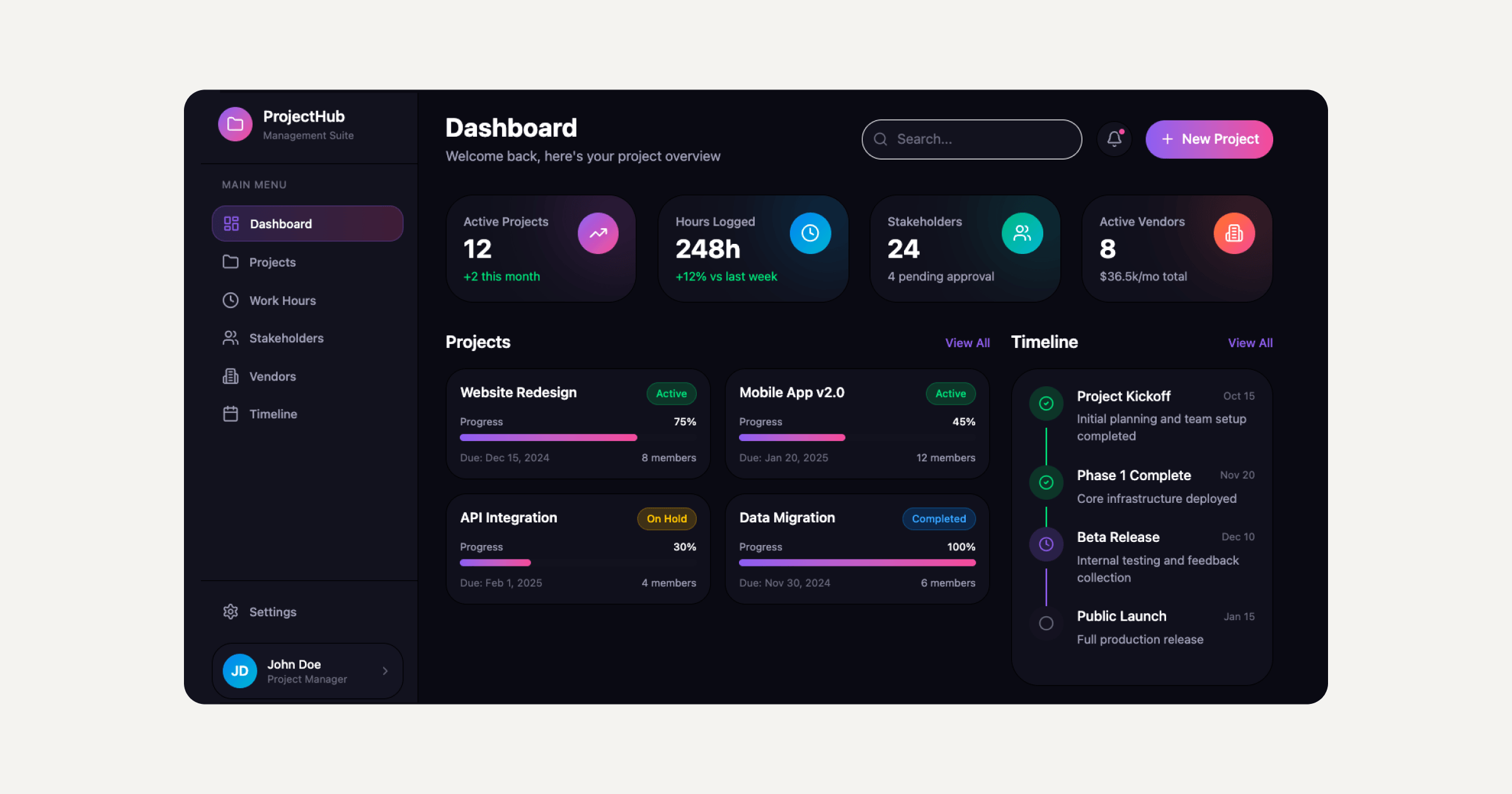
O-mega takes a broader approach. Instead of generating a single app, it produces the public website, the customer-facing product and sign-in flow, the payment flow, and the internal admin dashboard as one coordinated system, then keeps them in sync. Edit one piece and the change propagates across the website, checkout, and admin. O-mega also markets ongoing automated operations after launch, including customer support, payment recovery, invoice management, and content updates, along with live data integration with tools such as Stripe, Apple Health, and Garmin.
Ownership, control, and how usage works
Emergent’s positioning centers on code ownership. The output is described as production-ready code you own and can modify, with built-in GitHub integration. The underlying backend and data model aren’t detailed beyond that in the available material.
O-mega states full data and domain ownership with export capability, and its usage system is credit-based: one credit corresponds to one build step, such as adding a banner or setting up automated emails. O-mega’s own reporting cites a large deployed customer base and a high volume of automated operations, though those are vendor-stated figures rather than independently confirmed ones.
Emergent vs O-mega at a glance
| Dimension | Emergent | O-mega | Sticklight |
|---|---|---|---|
| What it is | AI platform that generates full-stack web and mobile apps from a prompt | AI platform that generates and operates a website, checkout, and admin dashboard from a description | Vibe-coding platform that turns a prompt into production-ready websites, apps, dashboards, CMS, and internal tools |
| Output | Web, mobile, dashboard, e-commerce, and SaaS apps; user-owned, exportable code | Public website, customer sign-in and payment flow, and internal admin dashboard as one coordinated build | Production-ready sites, apps, dashboards, CMS, and internal tools from one prompt |
| Backend / data | Not specified beyond user-owned, modifiable code | Live integrations with tools such as Stripe, Apple Health, and Garmin; stated full data and domain ownership | Built by the Elementor team; additive to an existing WordPress and Elementor stack |
| Publish / hosting | GitHub integration for version control and deployment | Ongoing automated operations after launch, including support, payment recovery, invoice management, and content updates | Publish included as part of the prompt to build to publish flow |
| Best for | Teams that want a generated app plus code they can take elsewhere | Teams that want one platform to generate and then run an online business end to end | Professional creators who want full-stack output that stays inside their existing web ecosystem |
| Entry pricing | Free plan, $0 per month, 10 monthly credits; Standard $17 per month billed annually, 100 credits per month | check their site for current pricing | Additive to your WordPress and Elementor stack |
Pricing, in more detail
Emergent’s published pricing lists a Free plan at $0 per month with 10 monthly credits, a Standard plan at $17 per month billed annually with 100 credits per month, a Pro plan at $167 per month billed annually with 750 credits per month and custom AI agents, and a custom Enterprise plan with SSO and RBAC available by contacting sales.
O-mega’s pricing wasn’t independently verified from primary source content at the time this comparison was written. Its usage model is credit-based, with one credit tied to one build step, but specific tier names and figures couldn’t be confirmed, so check their site for current pricing rather than relying on a number found elsewhere.
Where Sticklight fits
Emergent and O-mega both aim at generating, and in O-mega’s case continuing to run, a working product from a prompt. Sticklight starts from the same place, a prompt, but approaches it differently. It’s built by the Elementor team and powered by Claude, designed to stay additive to your existing WordPress and Elementor stack rather than replace it. The flow runs prompt, build, publish, producing production-ready websites, apps, dashboards, CMS, and internal tools, with publishing included.
If you already work inside WordPress and Elementor and want full-stack output without leaving that ecosystem, Sticklight is worth evaluating alongside Emergent and O-mega. AI agents are on Sticklight’s roadmap but aren’t a shipped capability yet, so if you need ongoing, automated operation today, which is O-mega’s core pitch, weigh that gap directly before you choose.
Frequently asked questions
What is the main difference between Emergent vs O-mega?
Emergent generates a full-stack app that you own as exportable code. O-mega generates a full online business and then continues to operate it, including the website, checkout, and admin dashboard, with automated support and payment tasks built in.
Does Emergent have a free plan?
Yes. Emergent’s published pricing lists a Free plan at $0 per month with 10 monthly credits.
How much does O-mega cost?
O-mega’s pricing isn’t independently verified from primary source content, so check their site for current pricing before you assume a specific figure applies.
Is Sticklight a direct replacement for Emergent or O-mega?
No. Sticklight is built by the Elementor team and designed to stay additive to your existing WordPress and Elementor stack, producing production-ready sites, apps, dashboards, CMS, and internal tools from a prompt.
Which tool is better for keeping code ownership?
Emergent markets user-owned, exportable code with GitHub integration built in. O-mega states full data and domain ownership with export capability, but its value centers on the platform continuing to operate the business rather than on handing you a codebase.
Built by the Elementor team. Powered by Claude.
Let it glow.