FlutterFlow vs Draftbit: pricing and workflow compared

FlutterFlow and Draftbit both promise a visual builder that also leans on AI to speed up mobile app development. You design a screen, wire up the logic, and ship to app stores without hand-writing every line, but the two platforms differ in what they generate underneath, how they connect to a backend, and how their plans are priced.
Here’s what each platform actually offers, based on their own pricing and feature pages, and where a broader full-stack platform like Sticklight fits if your work goes beyond a single mobile app.
- FlutterFlow generates a real Flutter codebase that compiles to iOS, Android, and web, and connects to Firebase, Supabase, or third-party REST APIs for backend and data.
- Draftbit combines a drag-and-drop visual editor with AI agent chat, and meters AI usage through a credit-based system on its paid plans.
- FlutterFlow’s paid plans start at $39 per month (Basic), rising to $80 per month for the first seat on Growth and $150 per month for the first seat on Business.
- Draftbit’s paid plans start at $12 per month (Standard), with Pro at $24 per month and Team at $120 per month, plus a 20% discount available on annual billing.
- Both platforms focus on mobile and web app output; neither is built as a general website, dashboard, or CMS platform.
- Sticklight, built by the Elementor team and powered by Claude, turns a prompt into a production-ready website, app, dashboard, CMS, or internal tool, and is additive to an existing WordPress or Elementor stack rather than a replacement for it.
What FlutterFlow is built for
FlutterFlow is a visual, drag-and-drop platform for building Flutter-based mobile and web apps, used by individual developers and teams. Its UI builder ships with more than 200 pre-built widgets, and underneath the visual layer it generates an actual Flutter codebase that compiles to iOS, Android, and web. Code export is available on paid plans, so if you want to leave the visual editor and work directly in the generated code, you can.
On the backend side, FlutterFlow isn’t tied to a single proprietary system. It connects to Firebase or Supabase, and integrates third-party REST APIs for anything else. Higher tiers add team collaboration features such as branching and comments, and a visual logic and action editor sits alongside the generated code for handling app behavior. Finished apps deploy to the App Store and Google Play.
FlutterFlow’s published pricing runs across four tiers: Free at $0 per month, Basic at $39 per month, Growth at $80 per month for the first seat and $55 per month for each additional seat, and Business at $150 per month for the first seat and $85 per month for seats two through five. An annual discount is offered, though exact annual figures aren’t itemized on the public pricing page.
What Draftbit is built for
Draftbit is a visual app-building platform that combines drag-and-drop editing with AI agents for web and mobile apps. The editor works with a live preview, and an AI agent chat can generate or edit parts of the app directly. AI usage is metered through a credit-based system, with daily and monthly credit caps that vary by plan. If you need more, you can buy one-time credit top-ups ranging from $5 to $10,000, with volume bonuses at higher amounts. Finished apps publish to app stores with one click.
Draftbit’s published subscription tiers are Free at $0 per month, described as “Free Forever” with 5,000 starting credits, Standard at $12 per month, Pro at $24 per month, Team at $120 per month, and a custom-priced Enterprise tier. A 20% discount is available on annual billing for the paid tiers. Draftbit also lists a separate, paid outsourced-development service tier for teams that want the work done for them rather than building it themselves, sitting apart from the self-serve subscription plans above. Backend and data architecture aren’t detailed on Draftbit’s public pricing page.
FlutterFlow vs Draftbit at a glance
| Dimension | FlutterFlow | Draftbit | Sticklight |
|---|---|---|---|
| What it is | Visual builder generating a Flutter codebase | Visual builder with AI agent chat and a credit system | Prompt-based builder for production-ready sites, apps, dashboards, CMS, and internal tools |
| Output | Flutter app for iOS, Android, and web; code export on paid plans | Mobile and web app, published via one-click app store publishing | Production-ready website, app, dashboard, CMS, or internal tool from a prompt |
| Backend / data | Firebase, Supabase, or third-party REST APIs | Not detailed on public pricing page | Additive to your WordPress and Elementor stack |
| Publish / hosting | Deploys to App Store and Google Play | One-click publishing to app stores | Publish included as part of the prompt, build, publish flow |
| Best for | Developers and teams building a dedicated Flutter app | Teams wanting AI-assisted app building, with an optional outsourced build service | Professional creators who need production-ready output beyond a single mobile app |
| Entry pricing | Free, then $39 per month (Basic) | Free, then $12 per month (Standard) | Additive to your WordPress/Elementor stack |
AI assistance and workflow differences
The two platforms lean on AI differently. FlutterFlow’s core experience centers on the visual drag-and-drop builder and its widget library, with a logic and action editor for behavior; AI sits alongside that workflow rather than driving it. Draftbit leans further into AI as an interaction model, with an agent chat that can generate or edit app screens directly, metered through the credit system described above.
Neither platform is built to generate a website, CMS, or internal business tool outside the mobile and web app format they specialize in. That’s where this comparison starts to diverge from what Sticklight is built to do.
Where Sticklight fits alongside these tools
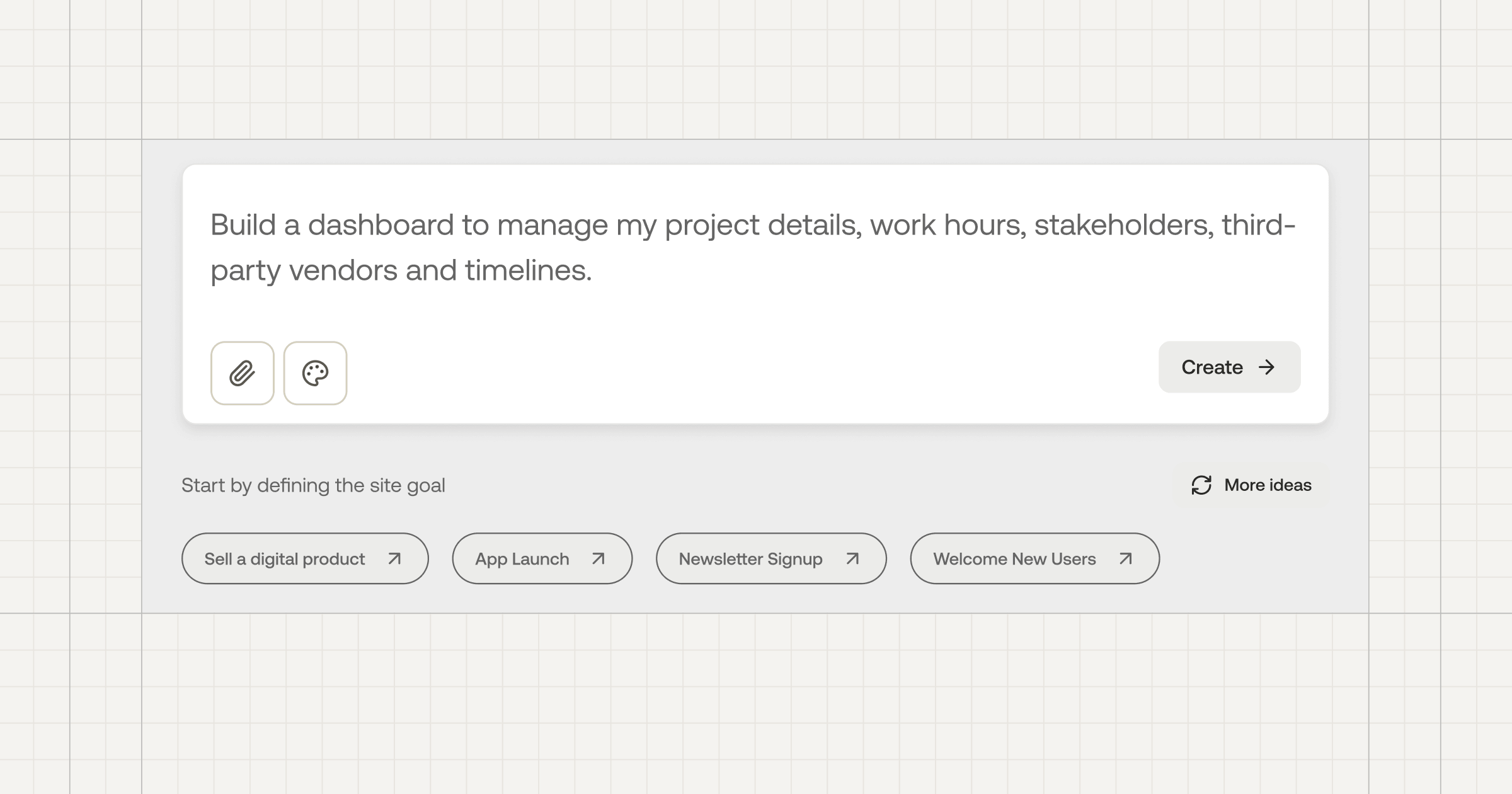
FlutterFlow vs Draftbit really comes down to two Flutter- and app-focused visual builders, and either one can be a reasonable choice if you’re set on shipping a dedicated mobile app. Sticklight is a different kind of tool. It’s the vibe-coding platform built by the Elementor team and powered by Claude, and it turns a prompt into a production-ready website, app, dashboard, CMS, or internal tool, following a prompt, build, publish flow with publishing included.
If your work spans more than a single mobile app, say a client site, an internal dashboard, or a small business tool, Sticklight’s broader output range is a real differentiator. It’s also additive: it works alongside an existing WordPress or Elementor setup rather than replacing it, which matters if you already have that stack in place. AI agents are on Sticklight’s roadmap as a coming feature, not something shipped today, so if agent-driven editing inside the builder itself is your priority right now, weigh that against Draftbit’s existing AI agent chat.
Frequently asked questions
Is FlutterFlow or Draftbit better for building a mobile app?
Both build mobile apps and publish to app stores. FlutterFlow generates a Flutter codebase with code export on paid plans and connects to Firebase or Supabase; Draftbit adds an AI agent chat and a credit-based usage system, plus an optional outsourced-development service tier. The better fit depends on whether you want a Flutter-specific codebase or an AI-assisted, credit-metered workflow.
How does FlutterFlow vs Draftbit pricing compare?
FlutterFlow’s paid plans start at $39 per month (Basic), with Growth at $80 per month for the first seat and Business at $150 per month for the first seat. Draftbit’s paid plans start at $12 per month (Standard), with Pro at $24 per month and Team at $120 per month. Both offer a free tier and a 20% discount on annual billing for paid plans.
Do FlutterFlow and Draftbit build websites, or only mobile apps?
Both focus on mobile and web app building rather than general website, CMS, or internal-tool creation. A platform like Sticklight covers that broader range, generating production-ready websites, apps, dashboards, CMS, and internal tools from a prompt.
Can Sticklight be used alongside FlutterFlow or Draftbit?
Yes. Sticklight is additive to an existing WordPress or Elementor setup rather than a replacement for other tools, so you can use FlutterFlow or Draftbit for a dedicated mobile app while using Sticklight for a website, dashboard, or internal tool.
Built by the Elementor team. Powered by Claude.
Let it glow.