FlutterFlow vs Sticklight: comparing a visual app builder with a full-stack prompt platform

FlutterFlow vs Sticklight comes down to what you’re trying to ship. FlutterFlow is a visual, drag-and-drop platform for building Flutter-based mobile and web applications, aimed at developers and teams who want a native app compiled from a visual canvas. Sticklight is a prompt-first platform for professional web creators that turns a prompt into production-ready websites, apps, dashboards, CMS, and internal tools, then publishes the result.
Both tools shorten the distance between an idea and a working product, but they start from different places. FlutterFlow starts from a visual canvas and a Flutter codebase, while Sticklight starts from a prompt and a broader set of production outputs.
- FlutterFlow is a visual, drag-and-drop builder that compiles to a real Flutter codebase for iOS, Android, and web.
- Sticklight is prompt-first: it turns a written prompt into production-ready websites, apps, dashboards, CMS, and internal tools, then publishes them.
- FlutterFlow connects to Firebase or Supabase, or to external REST APIs, for backend and data.
- Sticklight is built by the Elementor team and powered by Claude, and works alongside an existing WordPress or Elementor stack rather than replacing it.
- FlutterFlow has published, verified pricing starting at a Free plan and a $39 per month Basic tier; Sticklight pricing is not listed here.
- The right choice depends on whether your project is a native Flutter mobile app specifically, or a broader set of web-based products built from one prompt.
What FlutterFlow is built for
FlutterFlow gives you a visual, drag-and-drop app development platform for building Flutter-based mobile and web applications, used by individual developers and teams. You work on a canvas with more than 200 pre-built widgets, plus a visual logic and action editor for wiring up screens, states, and flows. Under the hood, FlutterFlow generates an actual Flutter codebase, which compiles to iOS, Android, and web, and you can export that code on paid plans.
For backend and data, you connect to Firebase or Supabase, or integrate third-party REST APIs directly. FlutterFlow doesn’t tie you to a single proprietary backend, so if your team is already committed to Firebase or Supabase, you plug straight in. Higher tiers add team collaboration through branching and comments, and once your app is ready, you deploy it to the App Store and Google Play. FlutterFlow fits teams who specifically need a native mobile app and want visual control over the Flutter build without hand-writing every screen.
What Sticklight is built for
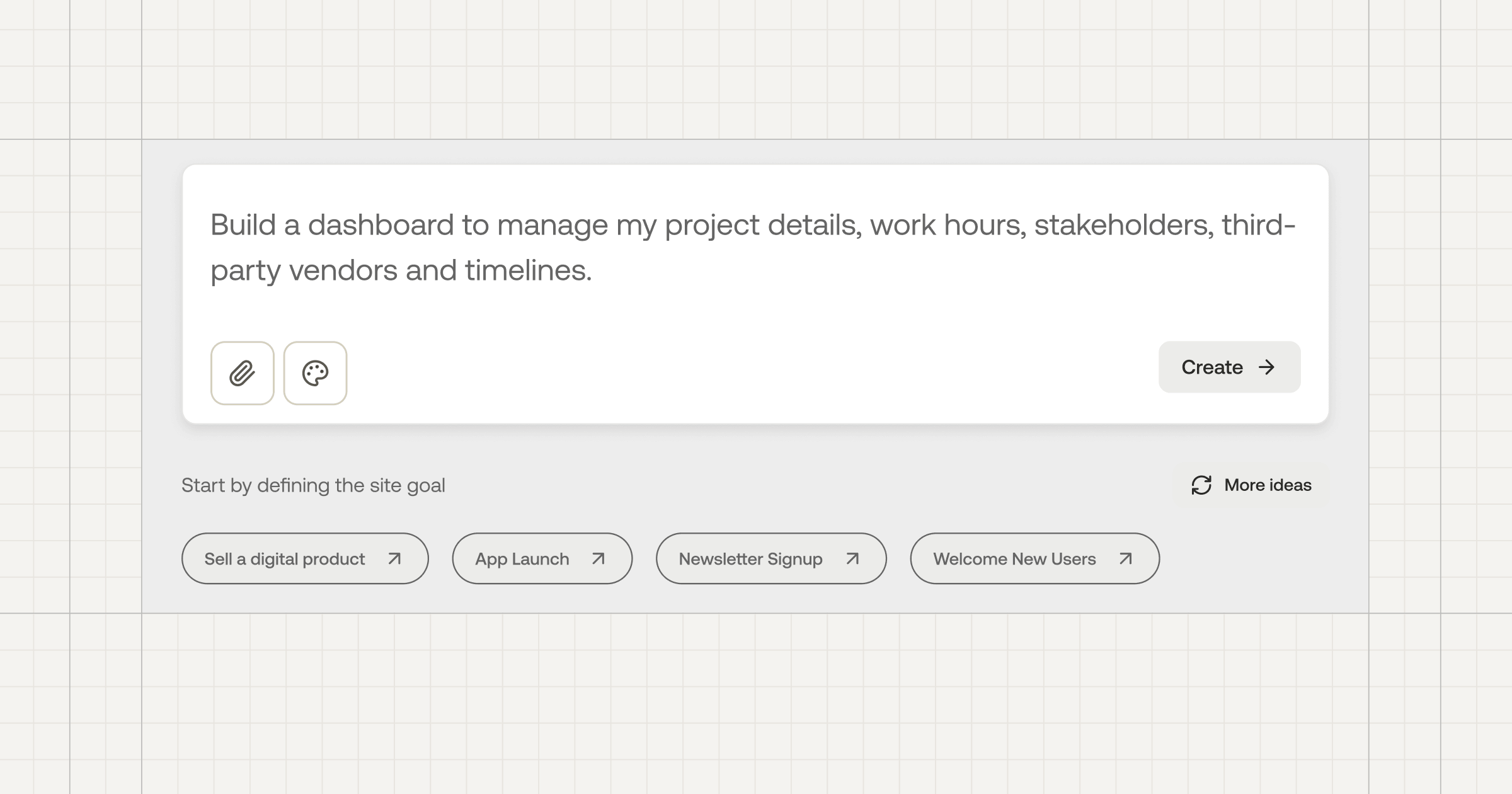
Sticklight is the vibe-coding platform for professional web creators. Instead of a visual canvas, your entry point is a prompt, and the flow is prompt, build, publish: your prompt becomes a production-ready website, app, dashboard, CMS, or internal tool, and Sticklight publishes it as part of the same flow. It’s built by the Elementor team and powered by Claude, and it’s designed to be additive to your existing WordPress and Elementor setup rather than a replacement for either.
The audience is professional creators: agencies, freelancers, studios, and independent builders who need production-ready output, not a demo. Where FlutterFlow specializes in one output, a native Flutter app, Sticklight spans a wider range of web-based products from the same prompt-first flow, with publishing included rather than handled as a separate step. AI agents are on the roadmap but aren’t a shipped capability today, so weigh any comparison against what each platform does now.
FlutterFlow vs Sticklight at a glance
| Dimension | FlutterFlow | Sticklight |
|---|---|---|
| What it is | Visual, drag-and-drop builder for Flutter-based mobile and web apps | Prompt-first platform for production-ready websites, apps, dashboards, CMS, and tools |
| Output | Real Flutter codebase compiling to iOS, Android, and web; code export on paid plans | Production-ready output published as part of the prompt, build, publish flow |
| Backend / data | Firebase, Supabase, or external REST APIs; not tied to one proprietary backend | Works alongside an existing WordPress and Elementor stack |
| Publish / hosting | Deploys finished apps to the App Store and Google Play | Publishing is included in the same prompt-first flow |
| Best for | Developers and teams building a native Flutter mobile or web app visually | Professional web creators shipping full-stack sites, apps, dashboards, or tools from a prompt |
| Entry pricing | Free ($0 per month); Basic $39 per month | Additive to your WordPress and Elementor stack |
Where each platform leads
On native mobile output, FlutterFlow has the more specialized offering: a visual canvas purpose-built for Flutter, with export to a real codebase and direct deployment to the App Store and Google Play. If you specifically need a native iOS or Android app, and you want visual control over that build, you’re working in FlutterFlow’s core use case.
Sticklight’s strength is breadth from a single starting point. If you work across websites, apps, dashboards, CMS work, and internal tools, you can use one prompt-first flow for all of it, with publishing built in and the result meeting a production standard rather than a demo standard. Because Sticklight comes from the team behind Elementor, it’s also built to sit alongside WordPress and Elementor projects rather than compete with them, which matters if you already run client work on that stack.
Choosing between FlutterFlow and Sticklight
If your project is specifically a native Flutter mobile app, and you want a visual builder with Firebase or Supabase underneath and direct app store deployment, FlutterFlow is the more purpose-built tool for that job. If your work spans multiple types of web-based output, from a marketing site to an internal dashboard to a small CMS, and you want to start from a prompt and reach a production-ready, published result without switching tools for each piece, Sticklight is built for that broader workflow, especially if you’re already working inside WordPress and Elementor.
The two aren’t solving the exact same problem end to end. FlutterFlow is a mobile-and-web app builder with a visual-first workflow. Sticklight is a prompt-first, full-stack platform aimed at professional creators who want production-ready output across several formats, published as part of the process, with continuity into your existing Elementor or WordPress stack.
Producing what I imagined used to take so much longer than imagining it, and I dreaded that gap on every project. It has nearly closed for me now.
Itamar Haim
Frequently asked questions
Should I use FlutterFlow or Sticklight for a native mobile app?
FlutterFlow is the purpose-built choice here. It generates a real Flutter codebase that compiles to iOS, Android, and web, and deploys straight to the App Store and Google Play. Sticklight’s capabilities cover websites, apps, dashboards, CMS, and internal tools from a prompt, but it doesn’t make a specific claim around native app store deployment, so if your project is specifically a native mobile app, weigh FlutterFlow’s dedicated mobile workflow.
What does FlutterFlow cost?
FlutterFlow publishes verified pricing: a Free plan at $0 per month, a Basic plan at $39 per month, a Growth plan at $80 per month for your first seat and $55 per month for each additional seat, and a Business plan at $150 per month for your first seat and $85 per month for seats two through five.
What does Sticklight cost?
Sticklight pricing isn’t listed in this comparison. Check their site for current pricing.
Does Sticklight replace WordPress or Elementor?
No. Sticklight is built by the Elementor team and designed to be additive to your existing WordPress and Elementor stack, working alongside it rather than replacing either.
Can I use Sticklight for something other than a website?
Yes. Based on Sticklight’s stated capabilities, the same prompt-first flow covers apps, dashboards, CMS, and internal tools in addition to websites, with publishing included in that flow.
Built by the Elementor team. Powered by Claude.
Let it glow.