
Founden vs Bubble: two different ways to build without a dev team

You’ll run into Founden vs Bubble when you’re weighing two very different tools: an AI platform that generates and runs a business’s website and back office, versus a visual no-code editor for building multi-user web applications. They solve different problems, and the right pick depends on whether you’re launching a specific kind of business or building a custom application from scratch.
Here’s what each tool actually does, where they differ, and where a third option, Sticklight, fits if you’re a professional creator who wants production-ready output from a single prompt.
- Founden is an AI platform that generates and runs a business’s website, customer portal, and back-office functions, like billing, inventory, and marketing automation, from a natural-language description.
- Bubble is a browser-based visual development platform: a drag-and-drop UI editor, a hosted database, and a visual workflow engine for building multi-user web applications.
- Founden targets a specific business-in-a-box outcome. Bubble is a general-purpose app-building canvas with no code export.
- Neither vendor’s current platform pricing could be independently verified at the time of writing, so check their sites for current pricing before you decide.
- Sticklight, built by the Elementor team and powered by Claude, turns a prompt into production-ready sites, apps, dashboards, CMS, and internal tools, and works alongside your existing WordPress or Elementor stack.
What Founden and Bubble are built to do
Founden is positioned as an AI platform that generates and autonomously operates a business’s website, customer portal, and back-office operations from a natural-language business description. Once your site and portal exist, Founden’s automation layer is meant to keep things running: payments, customer follow-up, newsletters, restocking, and review requests are handled as ongoing workflows, alongside subscription skip, pause, and swap functionality and automated loyalty or referral programs. The vendor states data export and no platform lock-in, and its site cites a scale figure of 7,262 live companies built as of the page fetched for this comparison.
Bubble takes a different approach. It’s a browser-based visual development platform for building multi-user web applications, combining a drag-and-drop UI editor with a pixel- and responsive-layout engine, a built-in hosted relational database for defining data types and relationships, and a Visual Workflow Engine for backend logic, scheduled events, and API-triggered actions. A Plugin Marketplace adds third-party integrations for payments, email, maps, and AI, and a built-in API Connector lets an app call external REST APIs directly. Apps built in Bubble are hosted on Bubble’s own infrastructure, with no code export offered, and native mobile app store builds require a third-party wrapper. Usage on current plans is measured and billed in Workload Units.
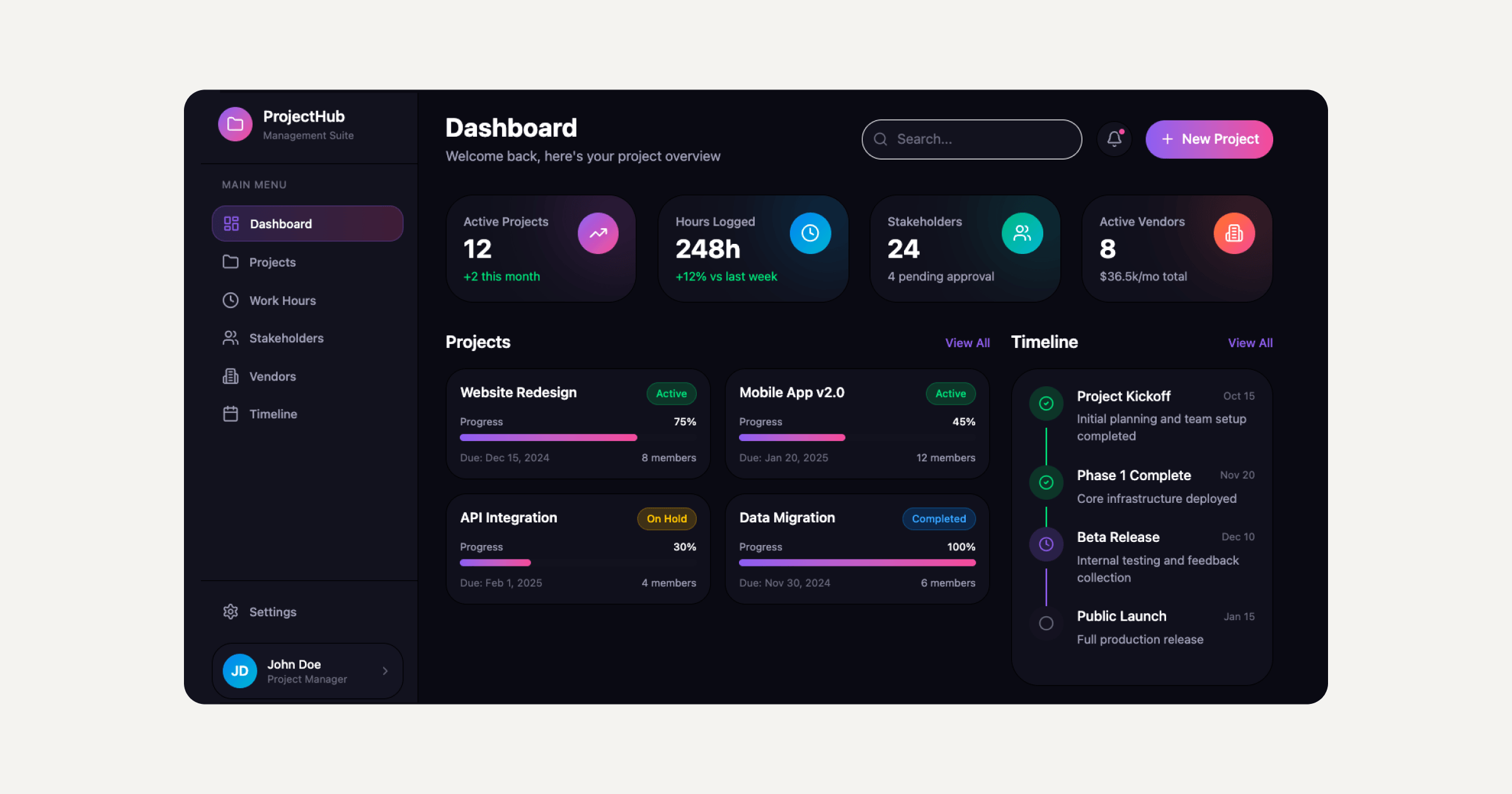
Founden vs Bubble at a glance
| Dimension | Founden | Bubble | Sticklight |
|---|---|---|---|
| What it is | AI platform that generates and autonomously operates a business’s site and back office | Visual development platform for building multi-user web applications | Vibe-coding platform that turns a prompt into production-ready output |
| Output | Business website, customer portal, and ongoing operational automation | Custom web applications built visually, hosted on Bubble | Websites, apps, dashboards, CMS, and internal tools from one prompt |
| Backend / data | Built-in back-office automation (billing, inventory, analytics) | Built-in hosted relational database with a visual workflow engine | Production-ready backend generated as part of the build |
| Publish / hosting | Deployed on the customer’s own domain | Hosted on Bubble’s infrastructure; no code export | Publish included, additive to an existing WordPress/Elementor stack |
| Best for | Founders who want an operating business built and run automatically | Builders assembling a custom multi-user app visually, screen by screen | Professional creators who want full-stack, production-ready output fast |
| Entry pricing | check their site for current pricing | check their site for current pricing | Additive to your WordPress/Elementor stack |
Where the two tools genuinely differ
The clearest difference is scope. Founden is aimed at a specific outcome: a running business, with a storefront, a customer portal, and automated back-office processes already wired together from a description of the business. Bubble is aimed at a broader task: it gives you the pieces, a UI editor, a database, and a workflow engine, so you can assemble more or less any multi-user web application by hand, screen by screen and workflow by workflow.
That scope difference shows up in ownership and portability too. Founden’s vendor states that data export and avoiding lock-in are part of the platform’s design. Bubble apps, by contrast, live and run on Bubble’s own infrastructure, and the platform doesn’t offer code export, so a project built there stays tied to Bubble’s hosting for as long as it runs. Neither tool’s current pricing is confirmed here; both vendors’ pricing pages render their plan details in a way that couldn’t be independently verified for this comparison, so check each site directly before you commit.
Where Sticklight fits as a third option
Founden and Bubble both solve real, specific problems, but if you’re a professional web creator working inside an existing WordPress or Elementor practice, you may be looking for something else again: a way to turn a prompt directly into production-ready output without adopting a fully separate operating platform or a fully separate hosted app ecosystem. That’s where Sticklight fits. Built by the Elementor team and powered by Claude, Sticklight follows a prompt, build, publish flow and generates real, production-ready websites, apps, dashboards, CMS setups, and internal tools from a single prompt, with publishing included.
The practical distinction is that Sticklight is additive to WordPress and Elementor rather than a replacement for either, so if you already work in that ecosystem, you can extend it instead of migrating a project into a separate business-operations platform like Founden or a separate hosted app builder like Bubble. AI agents are coming soon on Sticklight’s roadmap, so today the honest comparison point is production-ready, full-stack output generated from a prompt and published in one flow.
Frequently asked questions
Is Founden vs Bubble a fair comparison?
It’s fair in a narrow sense: both are AI- or no-code-assisted building tools. Founden is scoped to generating and running a business’s site and back office, while Bubble is scoped to visually assembling a custom multi-user web application, so the two tend to solve different starting problems rather than compete head to head.
Does Bubble let you export the code of an app you build?
No. Bubble apps are hosted on Bubble’s own infrastructure, and the platform doesn’t offer code export, according to its stated features.
What does Founden claim to automate after your site is built?
Founden’s stated autonomous workflows cover payments, customer follow-up, newsletters, restocking, and review requests, along with subscription skip, pause, and swap functionality and automated loyalty or referral programs.
How does Sticklight relate to WordPress and Elementor?
Sticklight is additive to WordPress and Elementor. It’s built by the Elementor team and works alongside those tools rather than replacing them, generating and publishing production-ready output from a single prompt.
Can you get exact current pricing for Founden or Bubble here?
No. Neither vendor’s platform pricing could be independently verified at the time this comparison was written, so check their sites for current pricing before you decide.
Built by the Elementor team. Powered by Claude.
Let it glow.
