

Founden vs O-mega: comparing the two AI business builders

Founden vs O-mega comes up whenever you’re comparing AI platforms that generate and run a business’s website and back-office operations from a single text description. Both tools promise a live site, a customer-facing portal, and automated operations without a development team, but they differ in scope, integrations, and how openly they disclose pricing.
This breakdown covers what each platform states about itself on its own product pages, and where Sticklight fits if you want a professional, full-stack build process instead of a single-business operations tool.
- Founden and O-mega both generate a website, a customer-facing portal or sign-in flow, and automated back-office workflows from a natural-language business description.
- Founden’s stated focus is billing, inventory, subscriptions, and marketing automation for the business it builds.
- O-mega’s stated focus is a unified propagation model, so one edit updates the website, checkout, and admin dashboard together, plus live integrations with tools such as Stripe, Apple Health, and Garmin.
- Neither vendor’s full pricing page could be independently confirmed, so check Founden’s and O-mega’s sites directly for current pricing rather than relying on a quoted figure.
- Both platforms’ marketing pages state nearly identical scale figures, worth keeping in mind when you weigh either vendor’s claims on their own.
- Sticklight is a different kind of tool: a vibe-coding platform, built by the Elementor team, that turns a prompt into a production-ready website, app, dashboard, CMS, or internal tool and publishes it, additive to an existing WordPress or Elementor stack.
What Founden and O-mega do
Founden is an AI platform that generates and autonomously operates a business’s website, customer portal, and back-office operations, including billing, inventory, subscriptions, and marketing automation, from a natural-language business description. Its stated feature set covers a storefront on the customer’s own domain, a customer portal for account and subscription management, automated back-office functions such as inventory and billing, autonomous workflows for payments, customer follow-up, newsletters, restocking, and reviews, subscription skip, pause, and swap functionality, and automated loyalty and referral programs. The vendor also states data export with no lock-in.
O-mega is an AI platform that generates and operates a business’s website, a customer sign-in and payment flow, and an internal admin dashboard from a single description. Its distinguishing mechanic is unified propagation: a change made in one place updates the website, checkout, and admin dashboard together. O-mega also states 24/7 automated operations for customer support, payment recovery, invoice management, and content updates, live data integration with tools such as Stripe, Apple Health, and Garmin, and a credit-based usage system where one credit equals one build step, such as adding a banner or setting up automated emails.
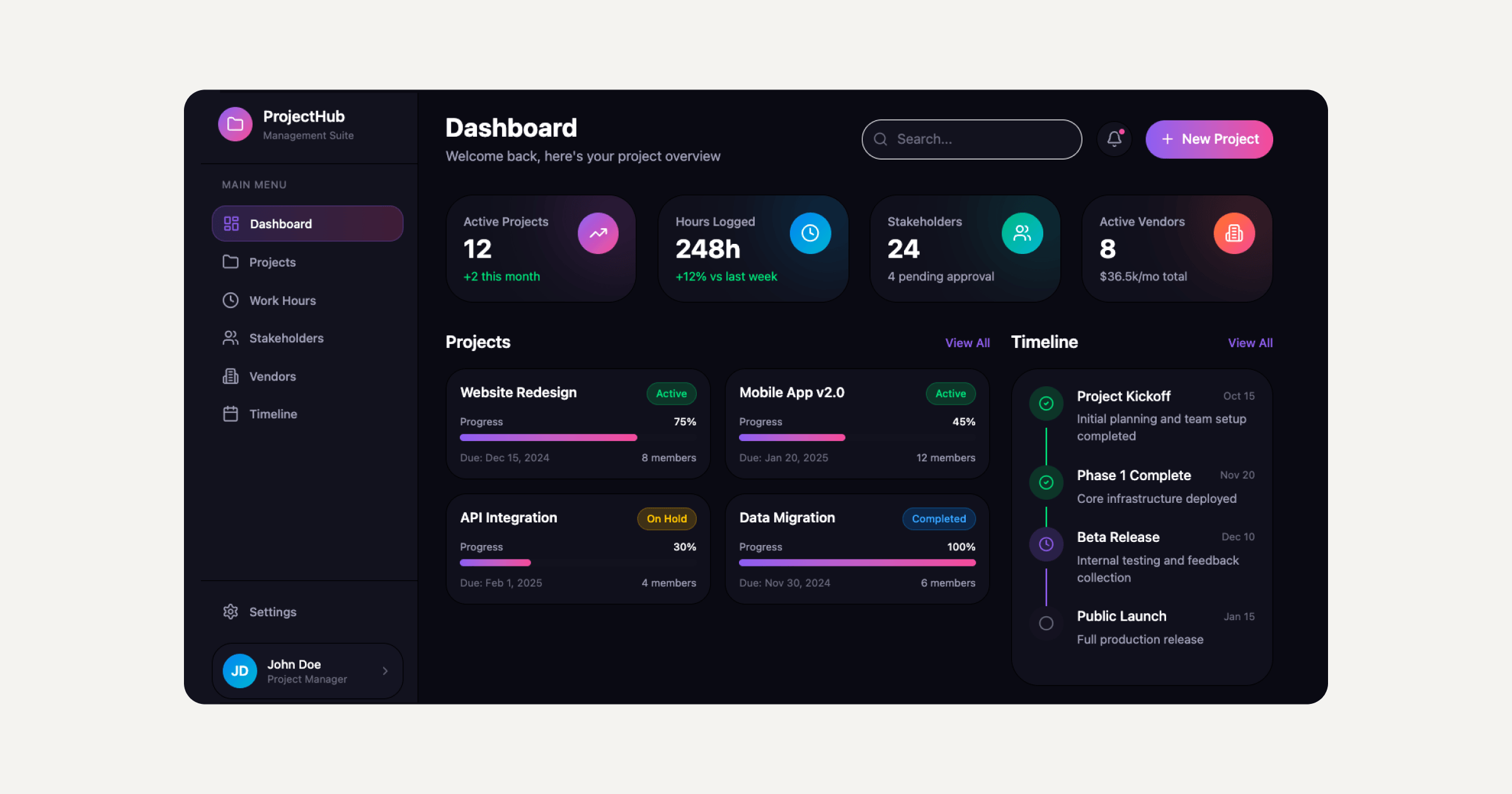
Founden vs O-mega at a glance
| Dimension | Founden | O-mega | Sticklight |
|---|---|---|---|
| What it is | AI platform that builds and runs a business’s website, portal, and back office from a text description | AI platform that builds and runs a business’s website, sign-in/payment flow, and admin dashboard from a text description | Vibe-coding platform that turns a prompt into production-ready websites, apps, dashboards, CMS, and internal tools |
| Output | Website/storefront, customer portal, back-office automation | Public website, customer sign-in/payment flow, internal admin dashboard | Full-stack sites, apps, dashboards, CMS, and internal tools, published from one prompt |
| Backend / data | Billing, inventory, and subscription data per vendor materials | Live integrations with tools such as Stripe, Apple Health, and Garmin; unified propagation across site, checkout, and admin | Additive to your WordPress and Elementor stack |
| Publish / hosting | Website generated on the customer’s own domain | Website, checkout, and dashboard generated and kept in sync from one edit | Publish included as part of the Prompt, Build, Publish flow |
| Best for | Founders who want billing, inventory, and marketing workflows automated alongside the site | Founders who want one edit to propagate across site, checkout, and admin, plus live third-party data | Professional web creators who want production-ready, full-stack output from a prompt |
| Entry pricing | Check their site for current pricing | Check their site for current pricing | Additive to your existing WordPress/Elementor stack |
Pricing and vendor-stated scale
Founden’s pricing page wasn’t extractable at the time of research, so check their site for current pricing rather than relying on a figure quoted elsewhere. O-mega’s official pricing page likewise didn’t yield a confirmed, publishable set of figures for its plan lineup, so check their site for current pricing as well.
Both vendors’ marketing pages state nearly identical scale figures for companies built and platform value. That overlap is worth keeping in mind when you compare the two on trust or track record, rather than treating either number as independent proof.
How the two tools differ in practice
Founden’s stated strengths sit closer to commerce operations: subscription skip, pause, and swap handling, loyalty and referral automation, and back-office tasks such as inventory and billing running autonomously once you describe the business. O-mega’s stated strengths sit closer to keeping a business’s front end, checkout, and admin dashboard consistent as it grows, plus pulling in live data from named third-party tools. Neither platform’s public materials describe a code-level workflow for a professional creator who wants to review, extend, or hand off the generated output as part of a broader web practice.
Where Sticklight fits as a third option
Sticklight is a separate category of tool: a vibe-coding platform for professional web creators, built by the Elementor team and powered by Claude. Its flow is prompt, build, publish, and it’s designed to generate production-ready output, websites, apps, dashboards, CMS, and internal tools, rather than one business’s storefront and back office. It’s additive to an existing WordPress and Elementor practice, so you’re not asked to replace what you already use.
If you specifically want an AI system to run day-to-day commerce operations, billing, or a customer portal for one business, Founden or O-mega’s stated feature sets are closer to that job. If you’re a professional creator building production-ready sites, apps, or internal tools for clients or a broader practice, and you want the result to publish directly, Sticklight’s full-stack, publish-included flow is the more direct fit. AI agents are on Sticklight’s roadmap, coming soon rather than a shipped feature today.
Frequently asked questions
What’s the main difference between Founden and O-mega?
Founden’s stated focus is generating a website, customer portal, and back-office automation, including billing, inventory, and marketing workflows. O-mega’s stated focus is generating a website, sign-in and payment flow, and admin dashboard that stay in sync through a single edit, along with live integrations with named third-party tools.
Can I find full pricing for Founden or O-mega?
No. Founden’s plan pricing wasn’t extractable from its published pricing page at the time of research, so check their site for current pricing. O-mega’s plan pricing wasn’t independently confirmed either, so check their site for current pricing.
Is Sticklight a direct alternative to Founden or O-mega?
Not exactly. Founden and O-mega are built to generate and run one business’s website and back-office operations. Sticklight is a vibe-coding platform built by the Elementor team for professional web creators, turning a prompt into production-ready websites, apps, dashboards, CMS, or internal tools and publishing them, additive to an existing WordPress and Elementor stack.
Can I use Sticklight alongside WordPress or Elementor?
Yes. Sticklight is built to be additive to WordPress and Elementor rather than a replacement, so it can sit alongside a build workflow you already use.
Built by the Elementor team. Powered by Claude.
Let it glow.
