
Glide vs Retool: comparing two very different app builders

Glide and Retool get grouped together as no-code tools, but they solve different problems. Glide (GlideOS) turns a spreadsheet or database source into a Progressive Web App through a visual, form-based builder. Retool is built for internal business applications and automations that connect directly to your company’s own databases and APIs, using a drag-and-drop UI builder plus JavaScript and SQL.
They also start from different places. Glide starts from a spreadsheet, Retool starts from a database connection. Here’s how the two compare, and where a prompt-to-build platform like Sticklight fits in as a third option.
- Glide builds Progressive Web Apps from Google Sheets, Excel, Airtable, or a native Glide table; Retool builds internal apps that connect to a company’s own databases and APIs.
- Glide’s builder is visual and form-based; Retool’s builder combines drag-and-drop UI with JavaScript and SQL for app logic, plus separate workflow automation.
- Glide’s paid plans start at $25 per month for the Solo plan (5 projects, one database), after a Free plan limited to 1 project with limited usage credits.
- Retool’s Team plan is seat-based: $10/month per builder seat (billed annually) and $5/month per internal user seat, after a Free tier capped at 5 users and 500 workflow runs per month.
- Neither tool compiles apps into native App Store or Play Store binaries; Glide ships installable web apps, and Retool’s output runs as internal web applications.
- If you want one prompt to produce a full production-ready website, app, dashboard, CMS, or internal tool with publishing included, Sticklight is worth understanding alongside Glide and Retool.
What Glide is built for.
Glide is a no-code platform for building data-driven applications from spreadsheet or database sources. Instead of a freeform drag-and-drop canvas, it uses a visual, form-based app builder that connects to Google Sheets, Excel, Airtable, or a native Glide table. The output is delivered as a Progressive Web App, meaning it installs like an app but runs through the web rather than as a compiled binary distributed through an app store.
Glide’s Free plan is limited to 1 project with limited usage credits. The Solo plan, at $25 per month, includes a database and 5 projects. The Team plan starts at $125 per month as a base, plus $10 per additional member, with a 5-member minimum. Enterprise pricing is custom and requires contacting sales, and it adds single sign-on, custom connectors, and a dedicated success manager. As of this check, Glide’s pricing page states annual billing plans are “coming soon,” so only monthly billing is currently offered.
What Retool is built for.
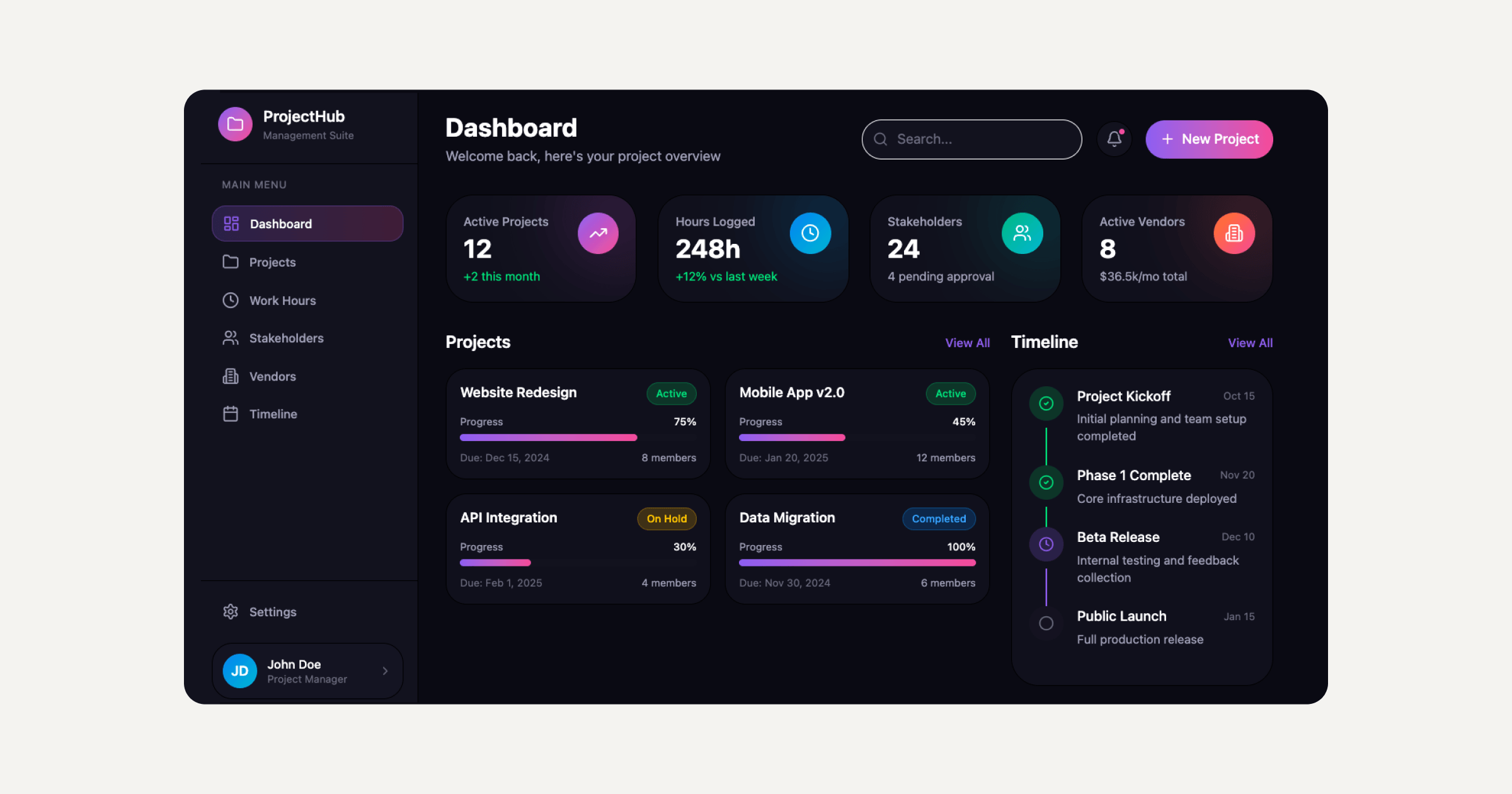
Retool is a software platform for building internal business applications and automations that connect to a company’s own data sources. Its builder pairs a drag-and-drop UI with JavaScript and SQL for app logic, and it includes workflow automation, meaning scheduled or triggered runs, as a feature separate from the app builder itself.
Retool’s Free plan costs $0 per month but caps at 5 users and 500 workflow runs per month. The Team plan is seat-based: a Builder seat runs $10/month billed annually or $12/month billed monthly, and an Internal User seat runs $5/month billed annually or $7/month billed monthly. The Business plan raises this to $50/month per Builder seat (annual) or $65/month (monthly), and $15/month per Internal User seat (annual) or $18/month (monthly). External user pricing on Business and above starts free for the first 0-50 users, then moves to tiered per-user rates starting at $8-10 per month. Enterprise pricing is custom and quote-based. Retool offers both cloud and self-hosted deployment, with pricing mirrored across both options.
Glide vs Retool at a glance.
| Dimension | Glide | Retool | Sticklight |
|---|---|---|---|
| What it is | No-code platform for data-driven apps from spreadsheet or database sources | Platform for internal business applications and automations on a company’s own data | Vibe-coding platform that turns a prompt into a production-ready website, app, dashboard, CMS, or internal tool |
| Output | Progressive Web Apps (installable, not a compiled App Store or Play Store binary) | Internal web applications connected to company databases and APIs | Production-ready, full-stack output published from a single prompt |
| Backend / data | Google Sheets, Excel, Airtable, or a native Glide table | Connects directly to a company’s own databases and APIs | Generated as part of the prompt-to-build flow, additive to an existing WordPress or Elementor stack |
| Builder style | Visual, form-based builder | Drag-and-drop UI plus JavaScript and SQL, with separate workflow automation | Prompt to build, then publish, in one flow |
| Best for | Teams turning existing spreadsheets into a usable app quickly | Teams building internal tools on top of their own databases and APIs | Professional web creators who want full-stack, production-ready output from one prompt |
| Entry pricing | Free plan, then $25/month Solo plan | Free plan (capped), then $10/month per builder seat, billed annually | Additive to your WordPress or Elementor stack, see Sticklight for current plans |
Choosing between Glide and Retool.
The practical difference comes down to your data source and your audience. Glide fits when the starting point is already a spreadsheet, Excel file, or Airtable base, and the goal is a usable app without writing code. Retool fits when the app needs to read and write against a company’s own production databases and APIs, and the builders on your team are comfortable dropping into JavaScript or SQL when the drag-and-drop builder isn’t enough.
Team size and seat structure matter too. Glide’s Team plan has a 5-member minimum with a per-member add-on cost, while Retool separates builder seats from internal user seats, which can change your total cost significantly depending on how many people only need to view or use an app versus build one. Both offer enterprise tiers with custom, quote-based pricing for organizations with larger requirements.
Where Sticklight fits as a third option.
Glide and Retool both require picking a data source and a builder paradigm before work starts: a spreadsheet for Glide, a company database or API for Retool. Sticklight approaches the problem differently. It’s built by the Elementor team and powered by Claude, and its flow is prompt, build, publish: you describe what you want, and Sticklight generates real, production-ready output, whether that’s a website, an app, a dashboard, a CMS, or an internal tool, then publishes it.
Sticklight is additive to WordPress and Elementor rather than a replacement for either, so it works alongside an existing site or workflow instead of requiring a migration. AI agents are on the Sticklight roadmap, labeled coming soon, not yet a shipped feature. If you’re evaluating Glide vs Retool and want a broader, prompt-driven path to production-ready output with publishing included, Sticklight is worth a look as a complement to either tool rather than a like-for-like substitute.
You learn more from one confused customer clicking around your site than from ten hours of planning what they might want.
Itamar Haim
Frequently asked questions
What is the main difference in a Glide vs Retool comparison?
Glide builds apps from spreadsheet or database sources like Google Sheets, Excel, or Airtable, using a visual, form-based builder, and delivers Progressive Web Apps. Retool builds internal business applications that connect directly to your company’s own databases and APIs, using a drag-and-drop builder plus JavaScript and SQL.
Which is cheaper, Glide or Retool?
Both offer a $0 Free plan with limits. Glide’s first paid tier, Solo, is $25 per month flat for 5 projects and a database. Retool’s first paid tier, Team, is seat-based at $10/month per builder seat and $5/month per internal user seat when billed annually, so your total cost depends on how many builders and internal users are on the team.
Does Retool offer self-hosting?
Yes. Retool offers both cloud and self-hosted deployment options, with pricing mirrored across both.
Do Glide or Retool apps go into the App Store or Play Store?
No. Glide delivers Progressive Web Apps, which install through the web rather than compiling as native App Store or Play Store binaries. Retool’s output is internal web applications rather than public app store listings.
Where does Sticklight fit next to Glide and Retool?
Sticklight is a prompt-to-build platform: you describe what you want and Sticklight generates and publishes production-ready websites, apps, dashboards, CMS, or internal tools. It’s additive to WordPress and Elementor rather than a replacement, so it can complement a Glide or Retool workflow rather than compete directly with either data source.
Built by the Elementor team. Powered by Claude.
Let it glow.
