
Glide vs Sticklight: spreadsheet apps versus prompt-built full-stack sites

Choosing between Glide and Sticklight comes down to where you start: with data you already have, or with a prompt for something you don’t have yet. Glide is a spreadsheet-driven app builder that turns existing data into installable apps. Sticklight turns a prompt into a production-ready website, app, or internal tool, without you needing a spreadsheet to begin with.
Here’s what each platform actually does, how they’re priced, and which kind of builder fits which job, so you can match the tool to what you’re building.
- Glide (GlideOS) builds Progressive Web Apps from connected data sources such as Google Sheets, Excel, Airtable, or a native Glide table.
- Sticklight generates production-ready websites, apps, dashboards, CMS builds, and internal tools directly from a prompt, then publishes them.
- Glide’s free plan covers one project with a capped amount of usage credits; its Solo plan is $25 per month and includes a database plus five projects.
- Glide’s Team plan is billed per member with a five-member minimum, starting at $125 per month base plus $10 per additional member.
- Sticklight is built by the Elementor team and is additive to your existing WordPress or Elementor stack, rather than a replacement for it.
- Glide ships apps as installable web apps, not compiled native App Store or Play Store binaries.
What Glide does.
Glide, marketed as GlideOS, is a no-code platform for building data-driven apps from spreadsheet or database sources. Instead of a freeform drag-and-drop canvas, it uses a visual, form-based builder that connects to Google Sheets, Excel, Airtable, or a native Glide table and turns that data into an app interface. The resulting apps ship as Progressive Web Apps, so you can install them on a device, but they aren’t compiled into native App Store or Play Store binaries.
Glide’s plan structure follows this data-first approach. The free plan covers a single project with a capped set of usage credits, enough to test the workflow but not to run a production app at scale. The Solo plan, at $25 per month, adds a database and room for five projects. The Team plan is billed per member with a five-member minimum, starting at $125 per month base plus $10 for each additional member, and the Enterprise plan is custom-priced with single sign-on, custom connectors, and a dedicated success manager. As of this check, Glide’s pricing page notes that annual billing plans are coming soon, with monthly billing as the current option.
What Sticklight does.
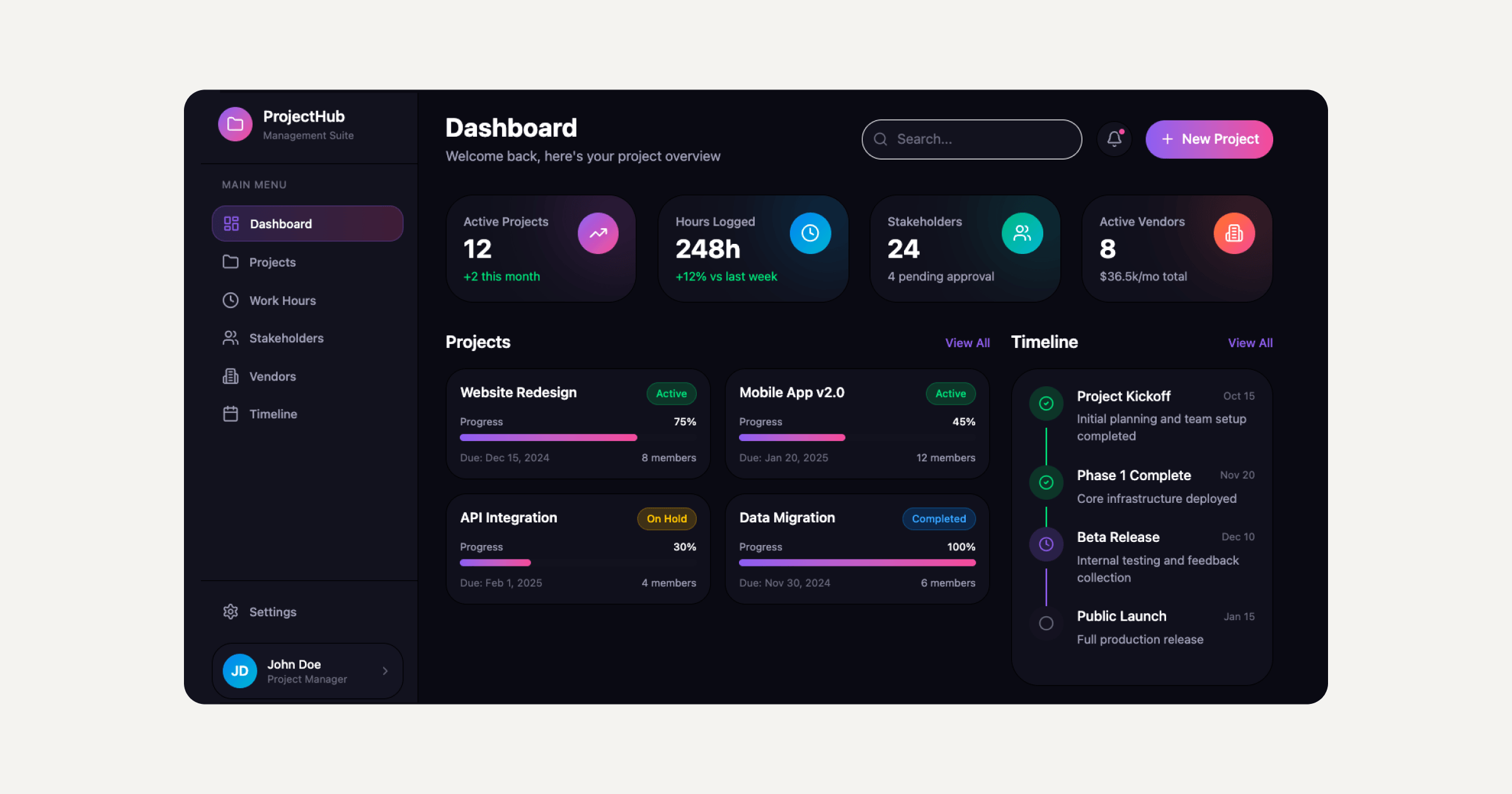
Sticklight is a vibe-coding platform for professional web creators. The flow is prompt, build, publish: you describe what you want, and Sticklight generates real, production-ready output, whether that’s a website, an app, a dashboard, a CMS, or an internal tool, then publishes it. Sticklight is built by the Elementor team and powered by Claude, and it’s designed to work alongside WordPress and Elementor rather than replace them, which matters if you’re already invested in that ecosystem. AI agents sit on Sticklight’s roadmap as a coming-soon capability, not something that ships today.
Where Glide starts from a spreadsheet and outputs an installable app, Sticklight starts from a prompt and outputs a broader range of production-ready builds. That difference in starting point and output range is the real distinction between the two tools, more than any single feature.
Glide vs Sticklight at a glance
| Dimension | Glide | Sticklight |
|---|---|---|
| What it is | No-code platform for building data-driven apps from spreadsheet or database sources | Vibe-coding platform that turns a prompt into production-ready websites, apps, dashboards, CMS builds, and tools |
| Output | Progressive Web Apps, installable but not native App Store or Play Store binaries | Production-ready full-stack output generated directly from a prompt |
| Backend / data | Connects to Google Sheets, Excel, Airtable, or a native Glide table | Generates the app and its data layer, including dashboards and CMS structures, from the prompt |
| Publish / hosting | Apps are hosted by Glide, with capacity tied to your plan | Publish is included as part of the prompt-to-build-to-publish flow |
| Best for | Teams that already have their data in a spreadsheet and want a form-based builder | Professional creators who want full-stack output from one prompt, additive to an existing WordPress or Elementor stack |
| Entry pricing | Free plan at $0 per month; Solo plan at $25 per month with a database and five projects | Additive to your WordPress/Elementor stack |
Choosing between the two.
The right choice depends on where you’re starting from. If your data already lives in a spreadsheet and you need a form-based way to turn it into an installable app for a team, Glide’s data-first workflow and per-project pricing are built for that. Its Solo and Team plans scale by project count and seat count, which suits internal tools with a known, bounded set of users.
If you’re a professional web creator who wants to go from a prompt to a production-ready website, app, dashboard, CMS, or internal tool without structuring the data in a spreadsheet first, Sticklight’s prompt-to-build-to-publish flow is the more direct path. Because Sticklight is built by the Elementor team to be additive to WordPress and Elementor, it fits naturally if you already operate in that ecosystem and want to extend it with full-stack builds rather than swap it out.
I still remember the years of losing momentum between having an idea and seeing it live. That gap barely exists for me anymore.
Itamar Haim
Frequently asked questions
What’s the main difference between Glide and Sticklight?
Glide builds Progressive Web Apps from existing spreadsheet or database data using a form-based builder. Sticklight generates a broader range of production-ready output, including websites, apps, dashboards, CMS builds, and internal tools, directly from a prompt.
Does Glide have a free plan?
Yes. Glide’s free plan is $0 per month and covers one project with a capped amount of usage credits, according to its official pricing page.
Can Sticklight replace my WordPress or Elementor site?
No, and that’s not how it’s positioned. Sticklight is built by the Elementor team to work alongside WordPress and Elementor, adding full-stack build capability rather than replacing your existing stack.
How much does Sticklight cost?
Sticklight pricing isn’t listed here. Check Sticklight directly for current pricing details.
Are Glide apps native mobile apps?
No. Glide apps are delivered as Progressive Web Apps, which are installable web apps, not compiled native binaries distributed through the App Store or Play Store.
Built by the Elementor team. Powered by Claude.
Let it glow.