
Healthcare app development and how to get started

Healthcare app development is the work of building the patient or client-facing tools a practice, clinic, or health tech company runs on: portals, appointment booking, intake forms, records dashboards, and secure messaging. Because these tools touch health information, privacy and compliance sit at the center of the project from the first prompt, not as a checklist run through at the end.
This guide is for healthcare providers and founders who want to know what a healthcare app needs, and how a build process like Sticklight’s prompt-to-canvas flow fits into that work. It is not legal advice. Any project handling health data still needs review from qualified legal and security professionals before it goes live.
- Healthcare app development usually means a connected set of tools: a portal, booking, intake forms, a records dashboard, and secure messaging, not a single screen.
- Privacy and compliance are structural requirements, met through proper integrations and safeguards such as encrypted storage and access controls, never through shortcuts.
- Map the patient or client journey before building, so each layer of the app matches how people actually move through care.
- Sticklight lets you prompt the portal, booking, intake, and dashboard layers into a working build, then refine every screen by hand on the canvas.
- The Accessibility Skill matters more than usual here, given the range of ability and device found in a healthcare audience.
- No platform can guarantee compliance on its own. A legal and security review is a required step before launch.
What healthcare app development means in practice
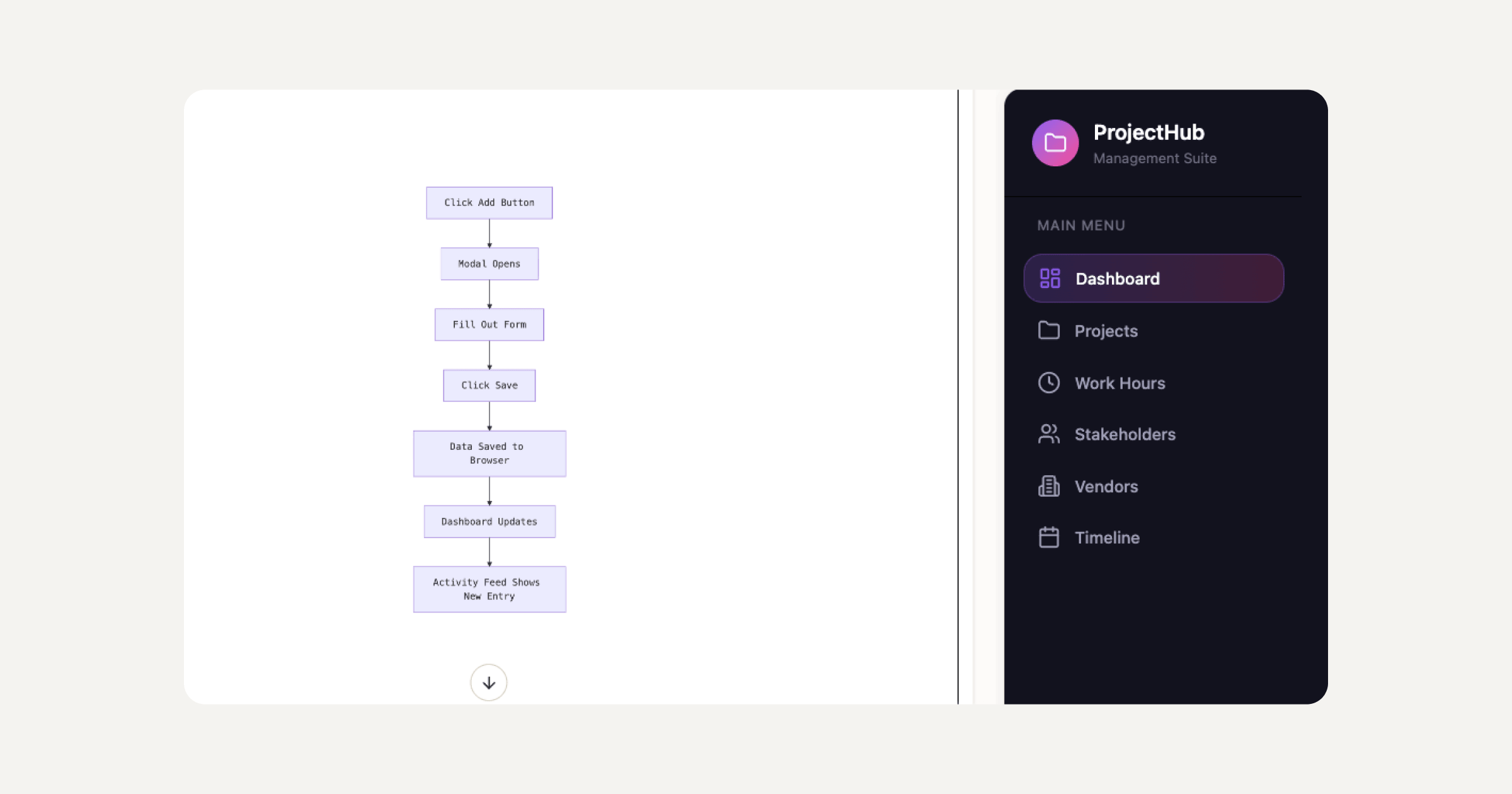
When people say “healthcare app,” they usually mean a few connected things: a portal where patients or clients log in, a way to book appointments, forms that collect intake information before a visit, a dashboard where staff review records, and a channel for secure messages. Few practices need all five on day one, but most build toward them over time.
The practices and founders who get the most out of this work start by mapping the journey, not the screens: who signs up and how, what they need to book or request, what information has to be collected before a visit starts, and who on the staff side needs to see what. Once that journey is clear, each app layer has a clear job to do.
Privacy and compliance come first in healthcare app development
Health data is regulated because it is sensitive, and the specific rules that apply depend on where a practice operates, what data is collected, and who handles it. A licensed clinic collecting medical history is in a different position than a wellness coach collecting a client intake form, even though both handle personal health information.
Meeting the relevant privacy and compliance rules is usually a matter of proper integrations and safeguards: encrypted storage, role-based access, audit logs, signed vendor agreements, and a clear retention policy. It is not a matter of finding a workaround. A build shortcut that seems to skip a privacy or security requirement is a sign to slow down and check with counsel.
Sticklight does not certify or guarantee compliance for any build. The platform can help build the interface and connect the integrations a compliant app needs, but the compliance status of the finished product depends on hosting, vendor agreements, and a proper review.
The core pieces most healthcare teams need
A handful of building blocks show up in nearly every healthcare app project:
- A patient or client portal: one login where someone sees appointments, documents, and messages.
- Appointment booking: a calendar reflecting real provider availability, with reminders and a clear cancellation path.
- Intake forms: structured questions collected before a visit, replacing the paper clipboard.
- A records dashboard: a staff-facing view of patient or client information, organized for quick review.
- Secure messaging: a channel for provider-patient communication that keeps health details out of plain email or text.
Each can be built as a standalone tool, but they earn their keep when they share the same data model, so a booking made through the portal shows up correctly on the dashboard without anyone re-typing it.
Portals, booking, and intake: the front door
The portal is usually the first thing a patient or client sees, so it sets the tone for the relationship. It should show a small number of clear actions: book or reschedule an appointment, update an intake form, read a message, or download a document. Resist the urge to pack every feature onto the landing screen.
Booking logic gets complicated fast once multiple providers, appointment lengths, buffer time, and time zones for telehealth enter the picture. Build the calendar logic to match how the practice schedules today, then add automation such as reminders on top of it.
Intake forms do double duty: they collect what a provider needs before a visit, and they are often the first place sensitive health data enters the system. Conditional logic, asking follow-up questions only when relevant, keeps forms shorter and the data cleaner. Wherever a form asks for medical history or insurance details, that data needs the same storage and access safeguards as any other record.
Records dashboards and secure messaging
A records dashboard is where staff spend their time, so it needs role-based views: front-desk staff might see scheduling and contact details, while a provider sees the full clinical picture. Search, filtering, and status tracking matter more here than visual polish.
Secure messaging replaces the ad hoc habit of texting or emailing patients directly, one of the more common ways health information ends up somewhere it should not be. A messaging layer built into the portal keeps the conversation encrypted, logged, and tied to the right record.
A Sticklight build path, from prompt to canvas
For a healthcare project, the build starts with a single prompt describing the portal, booking, intake, and dashboard layers, then reviewing what comes back. That flow runs on Sticklight, the vibe-coding platform built by the Elementor team for professional creators who go beyond websites to build production-ready apps and dashboards from a plain-language prompt.
From there, the work moves to the canvas. AI does the initial heavy lifting, but the creator keeps full control of every pixel afterward: adjusting the booking flow to match real provider schedules, tightening intake questions, or reorganizing the dashboard around how staff actually work. Direct code editing is available for anyone who wants to go deeper on a specific screen.
During the Build phase, Skills add packaged expertise to the prompt with one click. For a healthcare app, the Accessibility Skill is worth using from the start: it ships WCAG-aligned markup, visible focus states, and ARIA labeling, which matters for a patient population that includes people using screen readers, keyboard navigation, and a range of devices.
If the practice already runs a WordPress or Elementor site, the new tools do not replace it. Sticklight connects to and extends an existing site, so the portal or booking system can sit alongside the marketing pages the practice already has.
Before you launch: legal and security review
Once the build is functional, treat legal and security review as its own project phase, not a final sign-off before launch. That review should look at data storage and encryption, access controls and staff permissions, vendor agreements for any third-party service touching health data, and a privacy policy that matches what the app actually does.
None of this is something a platform, including Sticklight, can certify on your behalf. Bring in qualified legal counsel and a security professional who understands the rules that apply to your practice and location, and treat their sign-off as a requirement before real patient or client data touches the system.
Nothing teaches good architecture like watching a shortcut you took last month collapse under real traffic.
Itamar Haim
Built by the Elementor team. Powered by Claude.
Let it glow.