
How to Add a Blog to Your Website in 2026

Adding a blog to your website means creating a dedicated section for articles, giving it a clear spot in your site navigation, and setting up a repeatable format for posts. On most platforms this takes an afternoon: decide where the blog will live, turn on or build the blog section, write a first post using a template you can reuse, then organize everything with categories and tags so visitors can browse by topic instead of hunting through a long list.
The setup itself is only the starting point. A blog earns its place on a website when it answers questions your visitors are already searching for, links back to your product or service pages, and gets updated often enough that people, and search engines, have a reason to return. Once the structure is in place, the ongoing work is mostly writing, tagging, and sharing new posts on a steady schedule, month after month, without needing to rebuild anything.
Choose where your blog lives
Decide whether your blog sits at yourdomain.com/blog, a subdomain, or a separate section within your existing site structure. A subfolder like /blog usually works best for search visibility because it keeps traffic and authority on one domain instead of splitting it across two, and it avoids extra setup like separate hosting or DNS records.
Check that your main navigation menu actually links to the blog from the homepage, and that the blog links back to your key product or service pages. A blog that visitors have to hunt for rarely gets read, even when the content inside it is genuinely useful and well written.
Set up your blog section
Most website builders and content management systems include a blog feature or template you can switch on rather than build from scratch. Look for a layout with a post list, individual post pages, and space for a featured image and a short excerpt so readers know what they are clicking into before they commit the time.
Keep the design consistent with the rest of your site, using the same fonts, colors, and header so the blog feels like a natural part of the business rather than a separate tool bolted onto the homepage. Double-check that post pages load quickly and read well on a phone screen.
Plan topics and write posts worth reading
Before drafting anything, list the questions your customers ask most often and the problems your product or service solves. Good starting topics usually fall into a few buckets:
- Common questions from support or sales conversations
- How-to guides tied to your product or industry
- Comparisons or explainers for decisions your visitors are weighing
Write each post around one clear takeaway, keep paragraphs short, and use headings a reader can scan in a few seconds. Save the topic list somewhere you can revisit, since a running list makes it easier to keep publishing without starting from a blank page each time you sit down to write.
Add categories and tags, then publish and promote
Group related posts into a handful of categories, such as guides, updates, and industry news, so visitors can browse by topic instead of scrolling through everything in date order. Tags can go a level deeper, marking specific themes that cross multiple categories, like a product name or a use case that shows up in several different guides. Keep both lists short at the start, since a cluttered taxonomy is harder to untangle later than to plan carefully now.
Once a post is live, share it through email, social channels, or wherever your audience already spends time, and link to it from related pages on your site so new visitors can find it from more than one direction. Set a realistic publishing rhythm, whether that is weekly or monthly, and hold to it even when the schedule feels ambitious at first. Consistency matters more than volume for building an audience that keeps coming back.
Where Sticklight fits
Sticklight helps with the part of this process that trips up many site owners: turning a plan into working pages. It is a vibe-coding platform that turns a prompt into a production-ready website, complete with a blog you can grow post by post, so the structure, navigation, and post templates are already in place when you sit down to write.
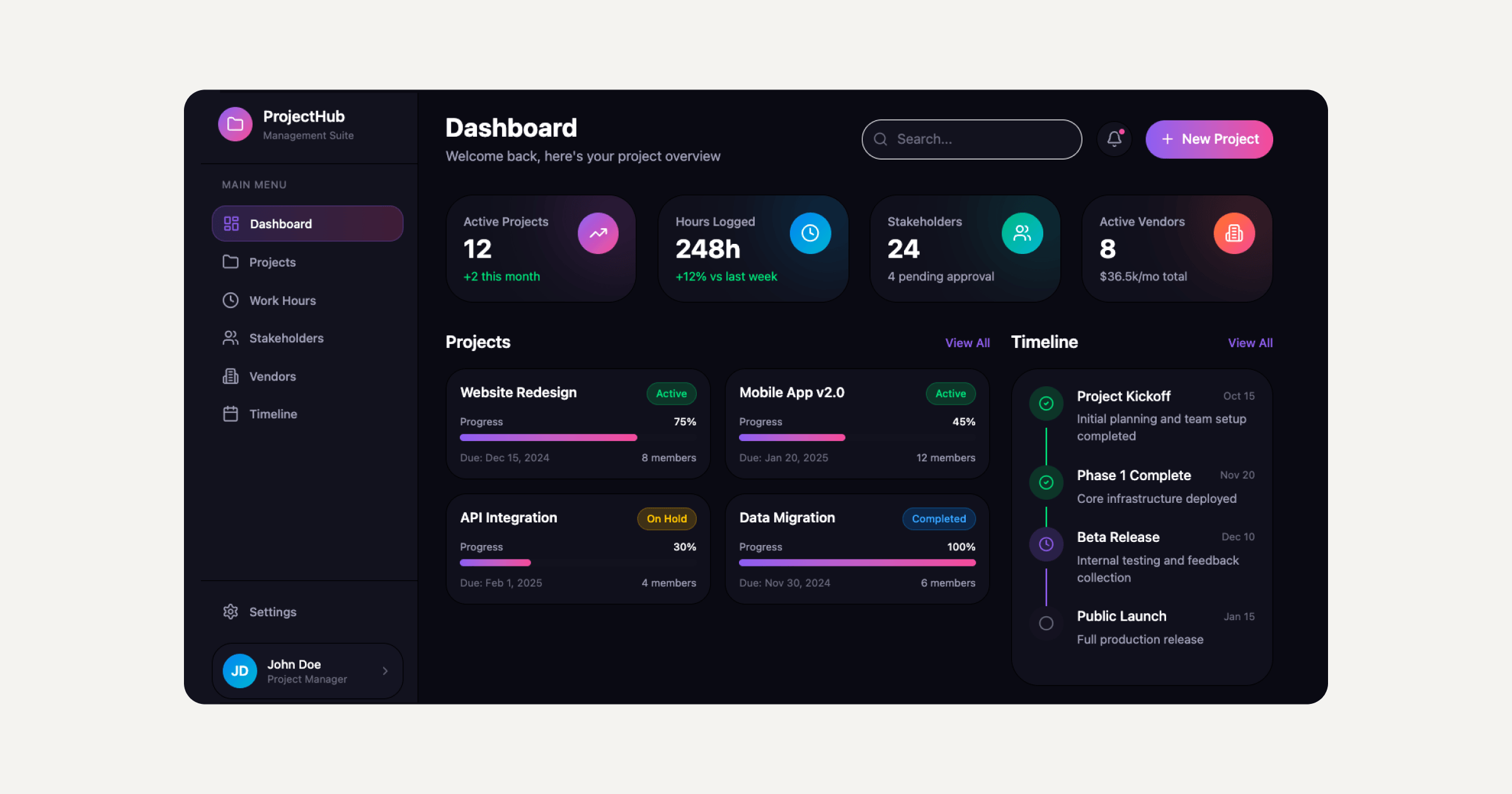
For teams already building with WordPress or designing visually in Elementor, that workflow keeps working alongside Sticklight rather than being replaced by it, giving you another path to stand up a blog quickly whenever you want to move straight from an idea to a live page.
Frequently asked questions
How do I add a blog to my website?
Choose where the blog will live, set up a blog section or page, plan a few topics, write and format your first posts, add categories and tags, then publish and share. Modern tools can set up the structure from a short description.
Why add a blog to my website?
A blog helps you share updates, answer customer questions, and bring in visitors through search. Regular, helpful posts can build trust, support your products, and improve how your site is found online.
What should I write about on my blog?
Write about topics your audience cares about, common questions, how-to guides, updates, and stories related to what you offer. Helpful, specific posts tend to attract and keep readers better than broad ones.
Do I need to code to add a blog?
No. Many platforms and modern tools let you add a blog with posts, categories, and comments without code, while custom features can benefit from developer help.
How do I get my blog found on Google?
Write helpful content around clear topics, use descriptive titles, add internal links, and keep posts updated. A fast, mobile-friendly site and regular publishing also help search engines find your blog.
Built by the Elementor team. Powered by Claude.
Let it glow.