How to Add Breadcrumbs to Your Website in 2026

Breadcrumb navigation is a small trail of links near the top of a page, usually written as Home > Category > Current page, that shows visitors exactly where they are within your site’s structure. Adding it takes a few lines of markup or a single builder toggle, and it pays off in both usability and search visibility.
The two things you actually need to get right are the visible trail itself and the structured data behind it, since search engines read breadcrumbs separately from what a person sees on the page.
What breadcrumb navigation actually does.
Breadcrumbs sit above the page title and list the path from your homepage down to the page a visitor is currently on. Each step except the last is a clickable link, so someone who lands on a deep product or article page can jump back up a level instead of hitting the back button or hunting through your main menu.
They matter most on sites with real depth: online stores with nested categories, documentation with multiple sections, or blogs organized by topic and subtopic. A flat five-page brochure site rarely needs them, but anything larger benefits almost immediately.
Why breadcrumbs help both UX and SEO.
For visitors, breadcrumbs cut down on confusion and lost clicks. They confirm where a page sits in your site’s hierarchy, reduce reliance on the back button, and give people a fast way to browse a category instead of searching again. That lower friction tends to show up as fewer exits and more pages viewed per visit.
For search engines, breadcrumbs reinforce your site’s structure and internal linking, which helps crawlers understand how pages relate to each other. When the markup is set up correctly, search results can also display the breadcrumb trail directly under your page title instead of a raw URL, which makes the listing easier to scan and can improve click-through rate.
Building breadcrumbs with HTML and structured data.
A breadcrumb trail is typically a `nav` element wrapping an ordered list, with each step as a list item and a link, except the final item, which stays plain text since it represents the current page. Marking the wrapper with `aria-label=”Breadcrumb”` helps screen reader users recognize it as navigation.
Alongside the visible markup, add BreadcrumbList structured data using JSON-LD, placed in a script tag anywhere on the page. This is a separate list object where each step has a position, a name, and a URL, and it is what allows search engines to render the trail in results. The visible HTML and the structured data should always describe the same path, since drifting apart after a category rename can make search engines stop trusting the markup enough to display it.
- Keep breadcrumb labels short and matching your actual page and category titles.
- Never link the current page’s own breadcrumb item, it stays as plain text.
- Update the JSON-LD whenever you restructure categories or rename sections.
Adding breadcrumbs without writing code.
Most modern site builders and content platforms include a breadcrumb block or setting you can turn on without touching markup. Look for a breadcrumb element in your builder’s page or theme settings, drop it into your header, and confirm it pulls from your actual page hierarchy rather than a fixed label. Many of these tools also generate the BreadcrumbList structured data automatically once the trail is enabled, so both pieces come from one toggle. If your platform has no built-in option, a breadcrumb plugin is usually the next fastest path.
Design tips that keep breadcrumbs useful.
Place the trail consistently, right above the page title, so visitors learn to expect it in the same spot on every page. Use a simple separator like a chevron or slash between steps, and keep the current page’s label unlinked and visually distinct, often in a muted color, so it reads as “you are here” rather than another clickable link.
Keep the trail short. If a page sits five or six levels deep, consider collapsing the middle steps behind an ellipsis rather than cramming every level onto one line, especially on mobile screens where horizontal space is tight. Test on a phone to confirm the trail wraps or truncates cleanly instead of pushing your page title down.
Where Sticklight fits
Sticklight is a vibe-coding platform built for professional web creators: you describe what you want in plain language, and it turns that prompt into a production-ready result, whether that is a page, a full site, an app, a dashboard, a small content system, or a working tool. Building a breadcrumb trail that matches your real page hierarchy, wiring up correct BreadcrumbList structured data, and keeping both in sync as your site grows is exactly the kind of task you can describe once and have handled completely, instead of hand-coding markup on every template.
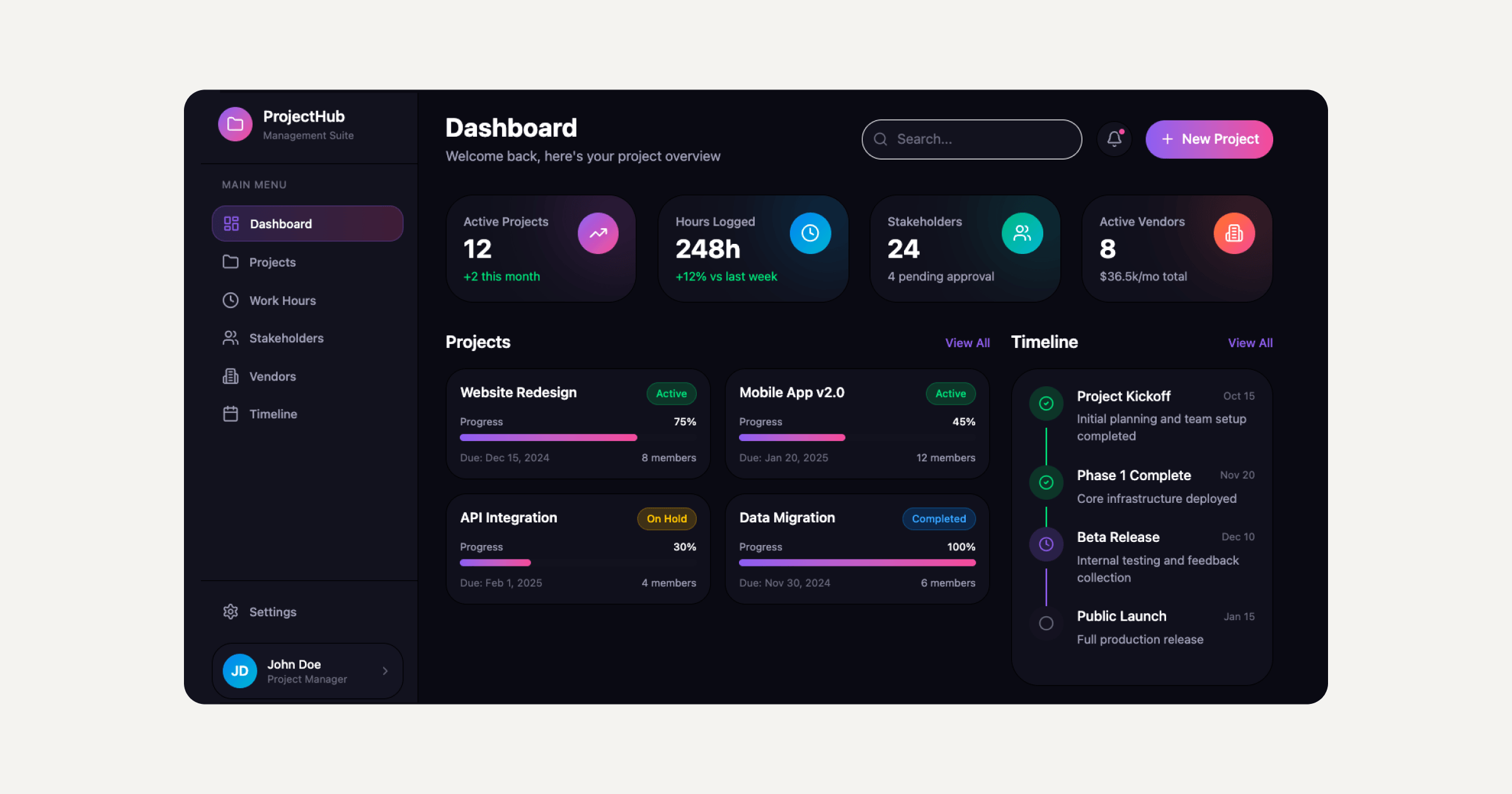
That range is the point. Sticklight is built to go beyond a single website and toward being a full-stack creator, so the same prompt-driven approach that sets up your breadcrumbs can also build the category system behind them, the content model that feeds them, or the admin view where you manage your site’s structure. WordPress and Elementor remain solid ways to extend what a site can do, and Sticklight adds a faster, prompt-first path alongside them for building the navigation and everything else your pages need.
Frequently asked questions
What are breadcrumbs on a website?
Breadcrumbs are a small trail of links near the top of a page, usually written as Home > Category > Current page, that shows a visitor where they are within your site’s structure. Every step except the last is clickable, letting people jump back up a level instead of using the browser’s back button.
Do breadcrumbs actually help SEO?
Yes. Breadcrumbs reinforce your internal linking and site hierarchy for search engine crawlers, and when the BreadcrumbList structured data is set up correctly, search results can display the trail under your page title instead of a raw URL, which makes the listing easier to scan.
What is BreadcrumbList structured data?
BreadcrumbList is a JSON-LD structured data type that lists each step of the trail with a position, a name, and a URL. It sits in a script tag on the page and should always match the visible breadcrumb trail, since the two drifting apart can stop search engines from displaying it.
Can I add breadcrumbs without writing code?
Most site builders and content platforms include a breadcrumb block or setting that generates both the visible trail and the structured data once you turn it on. If your platform lacks a built-in option, a breadcrumb plugin is usually the fastest alternative.
Does every website need breadcrumbs?
Not every site. Breadcrumbs matter most once a site has real depth, such as nested store categories, multi-section documentation, or a blog organized by topic. A small, flat site with only a handful of pages rarely needs them.
Built by the Elementor team. Powered by Claude.
Let it glow.