
How to Add a Contact Form to Your Website in 2026

Adding a contact form to your website means giving visitors a simple way to reach you without opening their own email client, and in 2026 the fastest path is usually to pick a method that already matches how your site is built rather than coding one from nothing. Decide what fields you actually need, choose a builder, plugin, embed, or prompt-based tool that fits your platform, add basic spam protection, then test the notification and confirmation flow before you publish.
Most of the work is in those small decisions, not in writing code. Get them right once and the form runs quietly in the background for years.
What fields to include.
Start with the goal, not the form builder. A contact form only needs to collect enough for you to respond usefully, and every extra field you add lowers the odds a visitor finishes filling it out. Keep the core list short.
- Name, so you know who you are replying to.
- Email address, so a reply is actually possible.
- Message, the one open text field almost every form needs.
- Subject or topic, only if your inbox needs sorting into categories.
- Phone number, only if you plan to call people back.
Anything more detailed, company size, budget, how someone heard about you, belongs on a separate lead form built for that purpose. A general contact page should stay quick to fill out.
Choosing how to build it.
There are a few common routes, and the right one depends on what your site already runs on. A page builder’s native form widget is usually the quickest option, since it matches your existing design and hosting without extra setup. A dedicated form plugin makes sense if you are on a platform without a built-in form tool and want more field types or integrations. A hosted form embed works well for static sites or pages built outside a CMS, since you just drop in a snippet and the service handles storage and delivery. And if you are starting from a blank page, some newer tools let you describe the form you want in plain language and get a working version back, which can save the step of hand-building markup and validation yourself.
Keeping spam out.
A public contact form starts attracting bots almost as soon as it goes live, so build in spam protection from the start rather than adding it after your inbox fills up. A honeypot field, a hidden input that only automated scripts fill in, quietly blocks a large share of spam without adding any friction for real visitors. Pair that with a modern challenge script for the rest, and add simple server-side checks too, confirming the email field looks like an email and the message field is not empty before a submission is accepted.
Notifications and the thank-you step.
Decide early where submissions should land, whether that is one inbox, a shared team address, or a connected app, and send a real test submission through the finished form before you announce it. It is a small step that catches broken wiring long before a visitor does. Once notifications are confirmed, give the visitor a clear response too. A short thank-you message or a dedicated confirmation page tells them the form actually went through, which matters more than it sounds, since a form that submits silently often gets filled out twice or abandoned partway. A line about when you typically respond sets expectations and closes the loop.
Rotating who carries the pager keeps my team honest about what actually breaks, instead of leaving that knowledge with one tired person, usually me.
Itamar Haim
Where Sticklight fits
Sticklight is a vibe-coding platform for professional web creators: describe the form you want in plain language, and it turns that prompt into a production-ready result, fields, validation, and notification wiring included. The same approach scales well past a single form, since Sticklight is built to take a creator from a prompt to production-ready websites, apps, dashboards, CMS platforms, and tools, going beyond a single website toward being a full-stack creator.
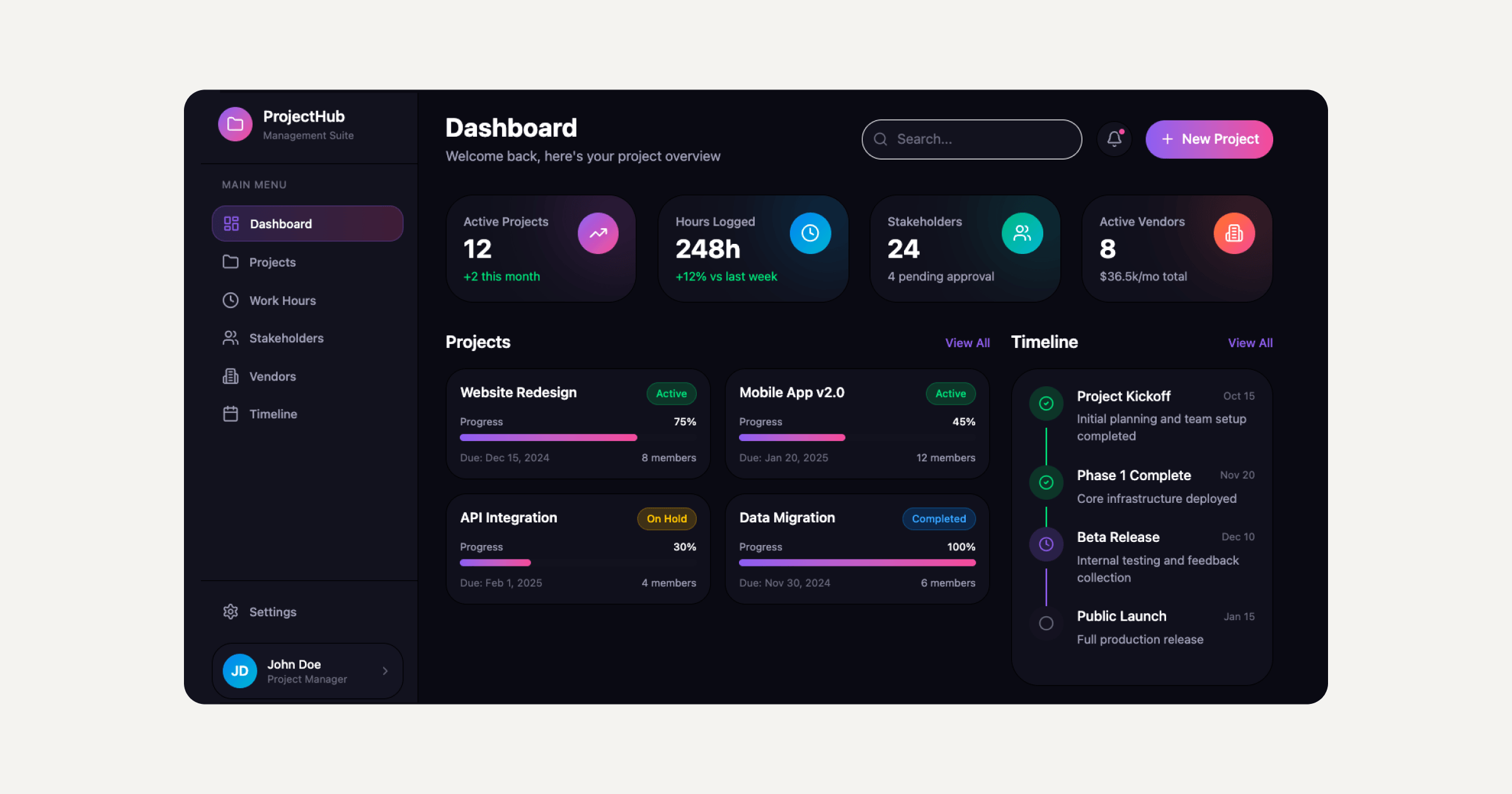
If you already build with WordPress or Elementor, Sticklight sits alongside that work rather than replacing it, extending what you can ship without giving up the tools you already know.
Frequently asked questions
Do I need coding skills to add a contact form to my website?
Not usually. Page builders, form plugins, and hosted form embeds all handle the setup through a visual interface, and prompt-based tools can generate a working form from a plain language description.
What fields should a basic contact form have?
Name, email address, and a message field cover most cases. Add a phone number or subject dropdown only if you have a specific reason to ask for them, since extra fields tend to reduce completed submissions.
How do I stop spam submissions without blocking real visitors?
A honeypot field catches most automated bots without adding any friction for people. Pairing that with a modern challenge script and basic server-side validation handles the rest.
Where do contact form submissions actually go?
That depends on how the form is set up, but they usually land in an email inbox, a shared team address, or a connected app. It is worth sending a real test submission before publishing to confirm the wiring works.
Should a contact form show a thank-you message after submitting?
Yes. A short thank-you message or confirmation page tells visitors the form actually went through, which lowers the chance they submit twice or leave unsure whether it worked.
Built by the Elementor team. Powered by Claude.
Let it glow.