How to Add Multilingual Support to Your Website in 2026

Multilingual support means a visitor can browse your site in their own language, with the content, navigation, and page metadata all matching that language rather than just the text on the page. Getting there takes four working parts: a translation approach, a clear URL structure per language, hreflang signals for search engines, and a switcher people can actually find.
Decide how you’ll translate your content
Start with the translation method, since it shapes everything downstream. Machine translation gets a site live fast and works well for high-volume content like product listings or help articles, but it needs human review before it goes public, especially for anything customer-facing. Professional human translation costs more per page and takes longer, but it holds up better for marketing copy, legal pages, and anything where tone and nuance matter.
Most teams end up with a hybrid: machine translation as a first pass, then a human editor for review and localization (adjusting currency, date formats, idioms, and cultural references, not just words). If you have more than a handful of languages, a translation management system helps track what’s translated, what’s pending, and what changed since the last sync.
Choose a URL structure: subdirectories, subdomains, or ccTLDs
Three common patterns exist, and each has trade-offs.
- Subdirectories (example.com/fr/) are the simplest to set up and keep all your domain authority in one place, which is why most sites start here.
- Subdomains (fr.example.com) let you host or manage each language separately, useful if different regional teams run their own content.
- Country-code top-level domains (example.fr) send the strongest local-market signal but mean managing separate domains, separate SSL certificates, and separate SEO efforts for each one.
For most businesses adding a second or third language, subdirectories are the practical starting point. Reserve ccTLDs for cases where you’re building a distinct local entity, not just translating a global site.
Add hreflang tags and a language switcher
Hreflang tags tell search engines which page version matches which language and region, so a French speaker in Canada lands on the right page instead of the English default. Every translated page needs a full set of hreflang tags pointing to every other language version, including itself, and the tags must be reciprocal (if the English page links to the French one, the French page needs to link back). Missing or mismatched hreflang tags are one of the most common multilingual SEO mistakes.
Pair that with a visible language switcher, usually in the header or footer, that shows the language name in its own script (Français, not just “FR”) and takes the visitor to the equivalent page, not the homepage. Auto-detecting a visitor’s browser or location language is fine as a default, but always let people override it and remember their choice.
Support right-to-left languages and keep translations current
If you’re adding Arabic, Hebrew, or another right-to-left language, the layout itself needs to mirror, not just the text direction. Navigation, icons, form fields, and reading order all flip, and this is usually handled by setting the page’s `dir=”rtl”` attribute and using CSS logical properties instead of fixed left and right values, so the design adapts automatically rather than needing a separate layout built by hand.
Once a multilingual site is live, the real work is keeping translations in sync as the source content changes. A page edited in English but never updated in its other languages quietly drifts out of date, which confuses visitors and search engines alike. Set a routine for flagging updated source pages and re-translating them, and treat translation status as part of your regular content review, not a one-time project.
Where Sticklight fits
Sticklight is a vibe-coding platform for professional web creators: describe what you want in a prompt, and it builds a production-ready result, whether that’s a full website, an app, a dashboard, a CMS, or a custom tool. For multilingual projects, that means you can prompt your way through language-specific page structures, hreflang setup, and RTL layout logic without hand-coding each piece, since Sticklight is built to go beyond static websites toward full-stack, functional products.
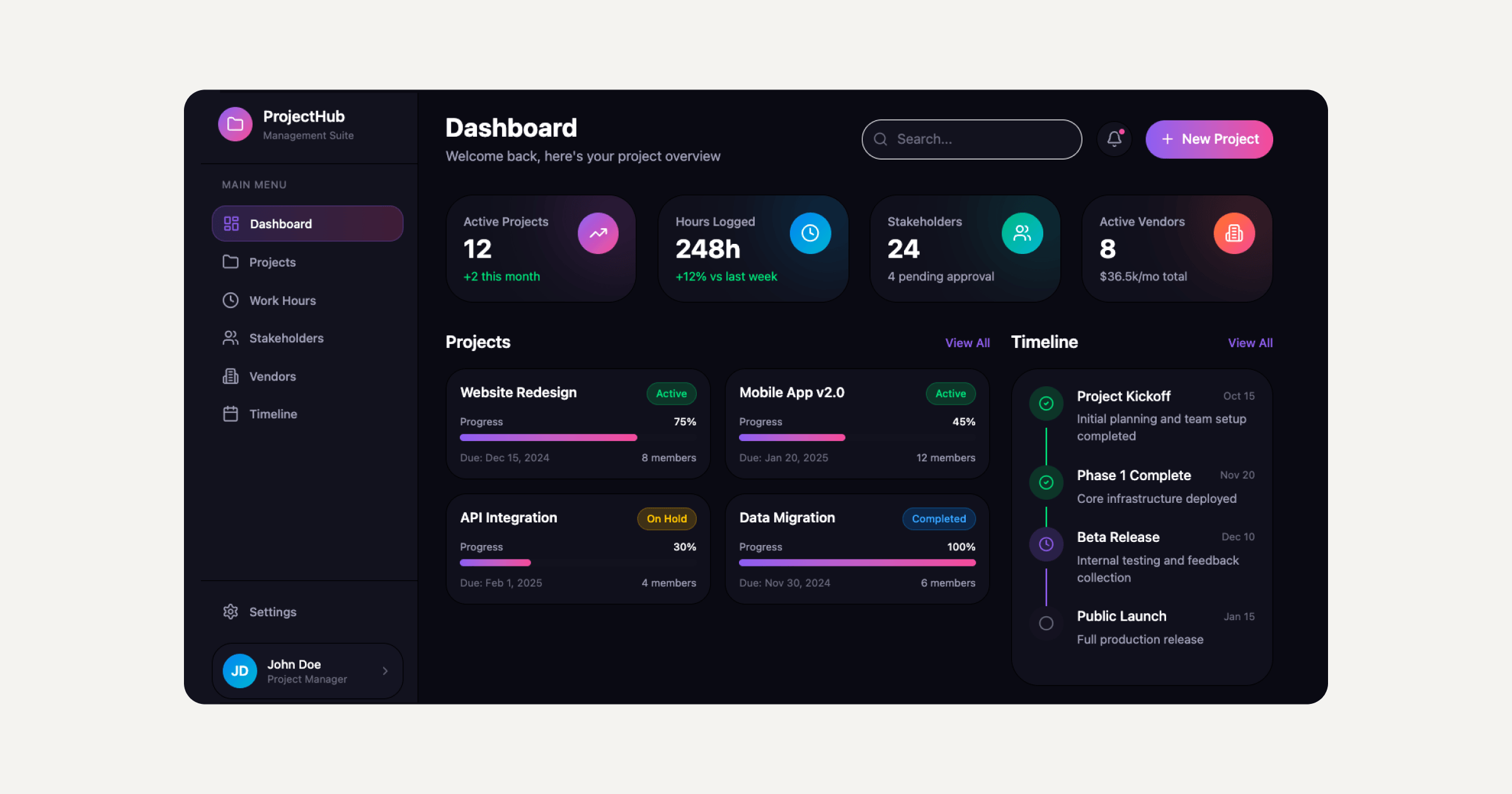
WordPress and Elementor remain strong ground for multilingual content management, and Sticklight extends what you can do on top of that foundation rather than replacing it. Teams already comfortable in WordPress can use Sticklight to prototype and build the more custom, app-like pieces of a multilingual rollout, then bring those pieces back into their existing site.
Frequently asked questions
Do I need separate URLs for each language, or can I use one page for everything?
Each language needs its own URL, whether that is a subdirectory, subdomain, or separate domain. Search engines and hreflang tags rely on distinct URLs to know which version to show a given visitor.
Is machine translation good enough for a business website?
Machine translation works well for high-volume content like product listings or support articles, especially as a fast first draft. For marketing pages, legal text, or anything customer-facing, a human review pass afterward catches tone and accuracy issues that automated translation tends to miss.
What happens if I skip hreflang tags?
Without hreflang tags, search engines may show visitors the wrong language version or treat translated pages as duplicate content. Every translated page needs reciprocal hreflang tags pointing to all its language versions, including itself.
How is right-to-left support different from just translating the text?
Right-to-left languages like Arabic and Hebrew require the entire layout to mirror, including navigation, icons, and form fields, not just the text direction. This is typically handled by setting the page direction attribute and building the layout with logical CSS properties that adapt automatically.
How often should translated pages be reviewed?
Treat translation status as part of your regular content review rather than a one-time setup task. Whenever a source page changes, flag its translated versions for an update so they do not drift out of sync.
Built by the Elementor team. Powered by Claude.
Let it glow.