

How to Add a Privacy Policy to Your Website in 2026

A privacy policy is a page on your website that explains what personal data you collect from visitors, why you collect it, and how you store, use, and share it. Adding one means writing that explanation in plain language, publishing it as its own page, and linking to it from anywhere you collect data, such as a contact form, a newsletter signup, or checkout.
Most sites need one the moment they collect any personal information, even something as small as an email address or a cookie-based analytics script, so this is worth setting up early rather than after the fact.
What a privacy policy actually is.
A privacy policy is not a legal disclaimer bolted onto your footer. It is a plain-language account of your data practices: what you collect, where it comes from, why you need it, how long you keep it, and who else might see it, such as an email provider, a payment processor, or an analytics tool. Visitors read it to understand what happens to their information. Search engines and app stores check for it too, and some third-party tools, like ad networks or payment gateways, require a working policy link before they will let you use their service.
Why sites need one.
Almost any site that uses a contact form, a newsletter signup, an ecommerce checkout, or even standard analytics is collecting some form of personal data, which is usually enough to trigger a policy requirement. Many regions have data protection laws that expect a clear, accessible policy when personal data is processed, and the exact rules vary by where your visitors are located and what you collect. Because requirements differ by jurisdiction and change over time, treat the general points here as a starting checklist, not a substitute for advice from a legal professional familiar with your situation.
What to include.
A useful privacy policy answers the questions a visitor would actually ask if they thought about it. Cover these areas in plain language rather than dense legal wording:
- What data you collect, such as names, emails, payment details, or device and usage data.
- How you collect it, including forms, cookies, analytics, and account signups.
- Why you collect it and how you use it.
- Who you share it with, such as email tools, payment processors, or hosting providers.
- How long you keep it and how visitors can request access, correction, or deletion.
- Contact details for privacy questions, and the date the policy was last updated.
How to create and publish the page.
Start from a template or generator suited to your type of site, then edit it to match what you actually do, since a generic template that does not reflect your real practices can create more confusion than it solves. Once the wording is ready, publish it as a standalone page rather than a footer paragraph, using a clear, memorable URL such as “/privacy-policy”. Link to that page from your site footer, any signup or checkout form, and your cookie banner if you run one, so visitors can find it from wherever they hand over data.
If your site uses cookies for anything beyond the basics needed to run the page, pair the privacy policy with a cookie notice that explains what is being set and lets visitors make a choice where required. The two documents often live separately but should link to each other.
Keeping it updated.
A privacy policy is not a one-time task. Revisit it whenever you add a new tool that touches personal data, such as a new analytics platform, a chat widget, or a different payment processor, since each one usually changes what you are collecting or who sees it. Update the “last updated” date whenever you make a change, and if you make a significant change to how you handle data, consider telling returning visitors or subscribers directly rather than relying on them to reread the page. A quick review once or twice a year, even without a specific trigger, keeps the policy matching what your site is actually doing.
Where Sticklight fits
Sticklight is a vibe-coding platform built for professional web creators: you describe what you want in plain language, and it turns that prompt into a production-ready result, whether that is a page, a full site, an app, a dashboard, a small content system, or a working tool. Drafting a privacy policy page, wiring it into your footer and forms, and adding a matching cookie notice is exactly the kind of task you can describe once and have built out completely, instead of assembling the page and its links by hand.
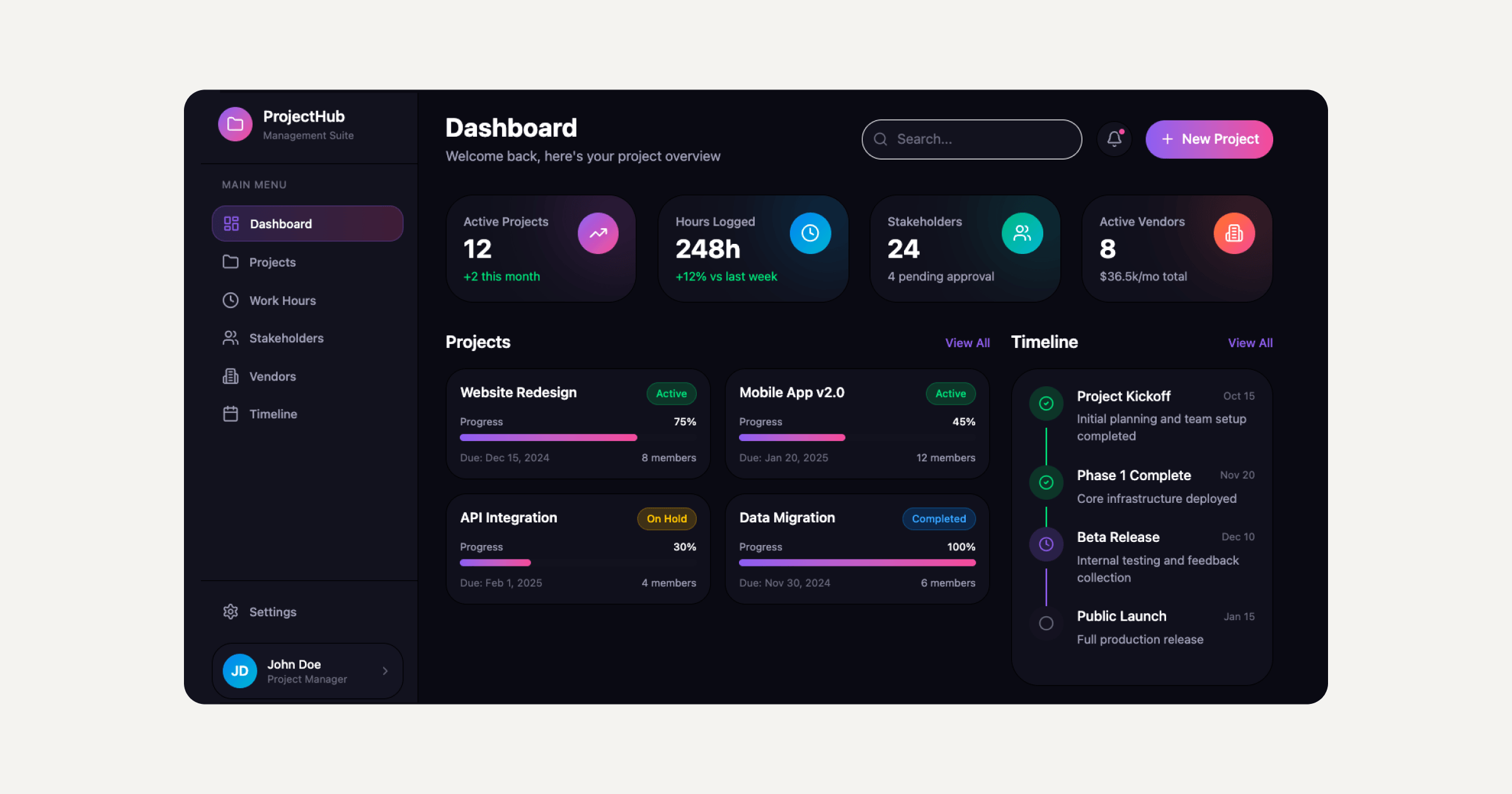
That range is the point. Sticklight is built to go beyond a single website and toward being a full-stack creator, so the same prompt-driven approach that publishes your policy page can also build the signup form that collects the data, the admin view where you manage requests, or the dashboard that tracks consent. WordPress and Elementor remain solid ways to extend what a site can do, and Sticklight adds a faster, prompt-first path alongside them for building the pieces around your policy page and everything else on your site.
Frequently asked questions
Does every website need a privacy policy?
If your site collects any personal data, such as through a contact form, a newsletter signup, or standard analytics, you should have one. The exact legal requirement depends on where your visitors are located, so check current rules for your situation or consult a legal professional if you are unsure.
Where should I put the privacy policy link?
Link to it from your site footer so it is reachable from every page, and again next to any form or checkout where visitors hand over personal data. If you use a cookie banner, link to it there as well.
Can I use a free privacy policy generator?
A generator is a reasonable starting point, but edit the result so it matches what your site actually collects and shares. A generic template that does not reflect your real practices can leave gaps or include claims that are not true for your site.
How often should I update my privacy policy?
Update it whenever you add a tool that touches personal data, such as a new analytics platform or payment processor, and review it once or twice a year even without a specific change. Always update the last-updated date when you make edits.
Is a privacy policy the same as a cookie notice?
No. A privacy policy explains your overall data practices, while a cookie notice focuses specifically on what cookies your site sets and lets visitors make choices where required. Many sites publish both, linked to each other.
Built by the Elementor team. Powered by Claude.
Let it glow.
