

How to Add an RSS Feed to Your Website in 2026

You add an RSS feed by publishing an XML file that lists your latest posts in a standard format, then pointing readers and apps to it. Most content management systems generate this file automatically; if yours does not, you can build one by hand or add a small plugin that does it for you.
What RSS actually does
RSS stands for Really Simple Syndication. It is a plain XML document that lists your recent content: title, link, publish date, and a short summary for each item. Feed readers and some newsletter tools check that file on a schedule and show subscribers whatever is new, without anyone needing to visit your site directly. Podcasts, news sites, and blogs all lean on the same format.
The appeal is that it is decentralized. There is no algorithm deciding who sees your posts. If someone subscribes to your feed, they get every new item you publish, in order, for as long as the feed stays online.
Generating a feed through your CMS or a plugin
If your site runs on a common CMS, you likely already have a feed and do not know it. WordPress, for example, builds one automatically at a predictable URL. Ghost, Squarespace, and several static site generators do the same. Check your site’s root address followed by common feed paths before building anything from scratch.
When your platform does not generate one natively, a plugin or a small script is usually the fastest fix:
- Look for a “feed” or “syndication” plugin in your CMS’s extension directory.
- For static sites, most generators (built on frameworks like Eleventy, Astro, or Next.js) have a documented feed plugin or template.
- For fully custom builds, a script that loops through your content and writes valid XML on a schedule works fine.
Building a feed manually
An RSS feed is just XML, so you can write one directly if you prefer full control. The file needs a root <rss> element, a <channel> block with your site’s title, link, and description, and one <item> per post with its own title, link, publish date, and description. Each item should include a unique identifier, usually the post’s permalink, so readers can tell new items from ones they have already seen.
Keep the file well-formed. Escape special characters, use a consistent date format (RFC 822 is standard), and validate the output before you publish it. A single malformed tag can make an entire feed unreadable to subscribers.
Adding the autodiscovery link
Once the feed file exists, tell browsers and feed readers where to find it. Add a <link> tag inside your page’s <head> with the relation set to alternate and the type set to the RSS MIME type, pointing at your feed’s URL. This single line is what lets a feed reader detect your site’s feed automatically instead of requiring visitors to know the exact address.
Place this tag on every page you want discoverable, or at minimum on your homepage and blog index. Without it, your feed still works for anyone who has the direct URL, but it will not surface on its own.
Validating and submitting your feed
Before sharing the feed publicly, run it through a validator to catch formatting errors and missing required fields. Fix anything flagged, since a broken feed can silently stop updating in a reader without any obvious error on your end.
Once it passes, submit the URL to the feed readers and aggregators your audience uses, and add it to your own site’s footer or subscribe page so visitors can find it themselves. Many newsletter tools can also poll an RSS feed directly, turning new posts into emails automatically.
Where Sticklight fits
Sticklight is the vibe-coding platform for professional web creators. You describe what you want in a prompt, and it turns that into a production-ready website, app, dashboard, CMS, or tool, going beyond a single site toward the kind of full-stack build a creator would otherwise need a developer for.
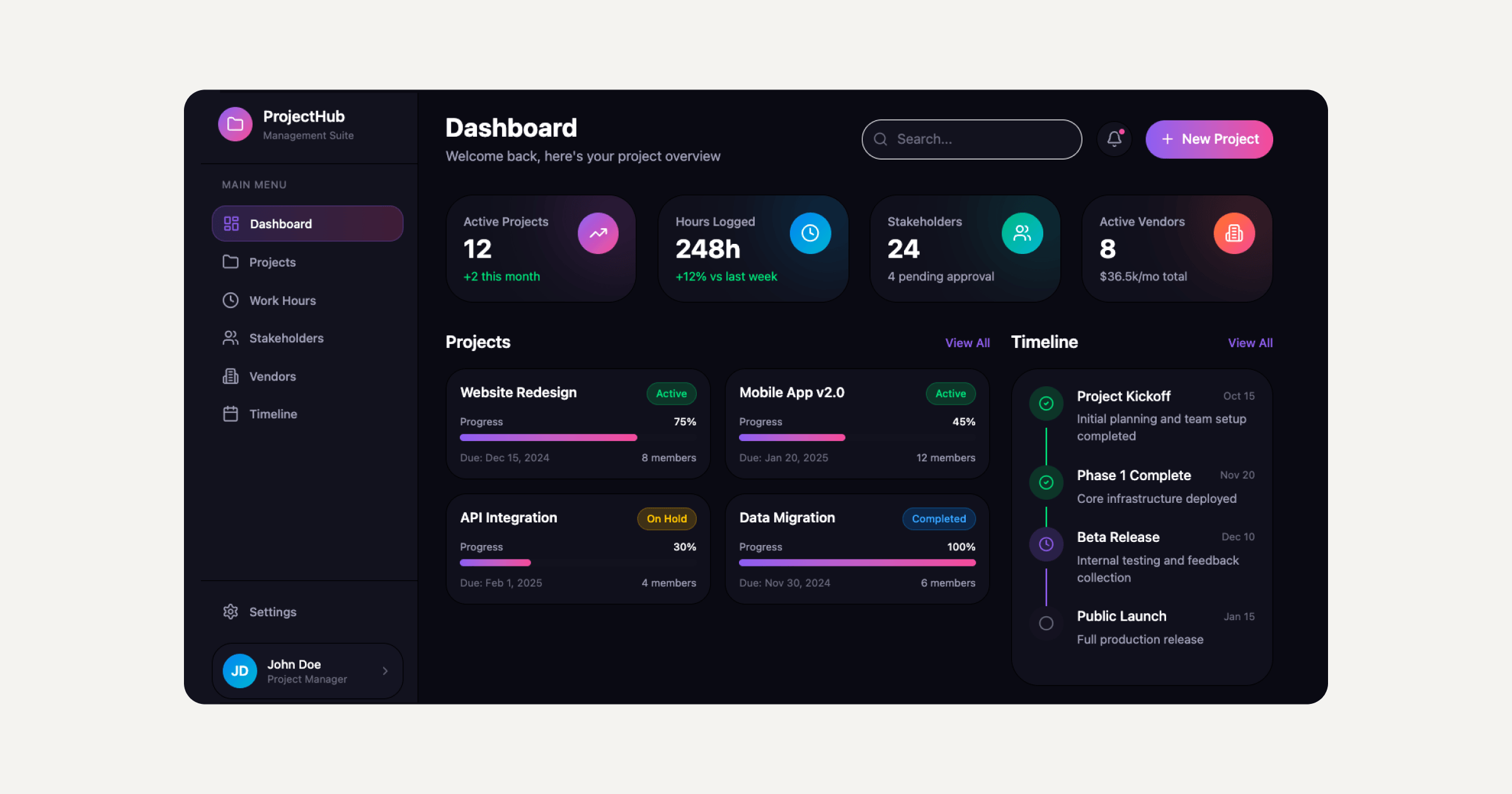
That includes syndication. Ask for a working RSS feed, tied to your content model and updated automatically as you publish, and Sticklight builds the file, the autodiscovery tag, and the update logic together as part of the site rather than as a separate task.
WordPress and Elementor remain solid ways to extend a site once it exists, and Sticklight complements that work rather than replacing it, giving you another path to the same production-ready result.
Frequently asked questions
Do I need to build an RSS feed from scratch?
Usually not. Most common platforms, including WordPress and many static site generators, already produce a feed automatically at a standard URL, so check there before writing XML by hand.
Where should the RSS autodiscovery tag go?
Add the alternate link tag inside the head of any page you want discoverable, ideally your homepage and blog index, so feed readers can detect the feed without a visitor needing the direct URL.
What happens if my RSS feed has invalid XML?
A malformed feed can stop updating silently in a reader, with no obvious error on your side, so always run new or edited feeds through a validator before publishing.
Can I use RSS to power an email newsletter?
Yes. Many newsletter tools can poll an RSS feed on a schedule and turn each new item into an email automatically, so you only need to publish once.
How often does an RSS feed update?
The feed file updates whenever you publish new content, and readers or aggregators check it on their own schedule, so the timing between publishing and a subscriber seeing it depends on their tool, not your feed.
Built by the Elementor team. Powered by Claude.
Let it glow.
