

How to Add Customer Testimonials to Your Website in 2026

Adding customer testimonials to your website means collecting real feedback, formatting it so it reads as genuine, and placing it where visitors are actually deciding whether to trust you. In 2026 that usually means a short written quote with a name and photo, a video clip, or a pulled review from a platform you already use, shown near the moments a visitor is weighing a decision rather than buried on a page nobody visits.
The mechanics are simple. The part that takes judgment is choosing which quotes to use and where to put them.
Collecting testimonials worth using.
Start by asking at the right moment. A customer who just had a good result, a project wrapped up, a support issue resolved, a milestone hit, is far more likely to give you something specific than someone emailed cold months later. Send a short request with two or three guiding questions instead of an open “any thoughts?” prompt, since vague requests tend to produce vague quotes.
- What problem were you trying to solve before you found us.
- What changed after you started using the product or service.
- Would you recommend it, and to whom.
Written answers work fine, but a short video or voice note, even one recorded on a phone, tends to carry more weight because it is harder to fake. Ask for permission to use a name and photo or company logo alongside the quote, since anonymous testimonials carry much less trust than attributed ones.
Choosing which quotes to feature.
Not every testimonial belongs on your site. A specific line about a concrete result does more work than general praise, so look for quotes that mention a number, a timeframe, or a particular outcome rather than ones that just say the experience was good. Mix a few short quotes with one or two longer ones if you have them, since uniform length across every testimonial can read as edited or staged even when it is not.
If you serve different audiences or offer different products, try to represent that spread. A visitor evaluating a specific use case wants to see someone like them, not a single type of customer repeated five times.
Formatting testimonials so they read as real.
Keep the original wording as close to what the customer actually said as you can. Light editing for clarity is fine, but smoothing every quote into the same polished tone removes the small imperfections that make a testimonial believable in the first place. Always attribute it: a name, and ideally a role, company, or location. A photo or logo next to the quote raises trust further, and a star rating or short title above the quote helps a skimming visitor register the gist without reading every word.
Avoid testimonial walls that group ten quotes into a dense block. A visitor rarely reads more than two or three before moving on, so a smaller, well-chosen set usually outperforms a long list.
Where to place them on the page.
Placement matters more than volume. Put testimonials near the decision points on your site, close to a pricing table, right after a feature explanation, or just above a signup or contact form, rather than isolated on a standalone page few visitors ever open. A single strong quote near the top of a landing page can do more than a dozen quotes stacked at the bottom.
If you already collect reviews on a third-party platform, consider pulling a few of the strongest ones into your own site rather than only linking out. Visitors are more likely to read a testimonial that is already in front of them than to click away and come back.
Keeping testimonials current.
Testimonials age. A quote about a feature you have since changed, or from a customer who is no longer active, can undercut trust instead of building it. Set a reminder every few months to review what is live on your site, swap out anything stale, and add new quotes as they come in. A page that visibly reflects recent feedback reads as more credible than one that has not changed in years.
Where Sticklight fits
Sticklight is a vibe-coding platform for professional web creators: describe the testimonial section you want, a rotating quote carousel, a grid tied to specific products, a single featured review near your pricing table, and it turns that prompt into a production-ready result. That same approach extends past a single section, since Sticklight is built to take a creator from a prompt to production-ready websites, apps, dashboards, CMS platforms, and tools, going beyond a single page toward being a full-stack creator.
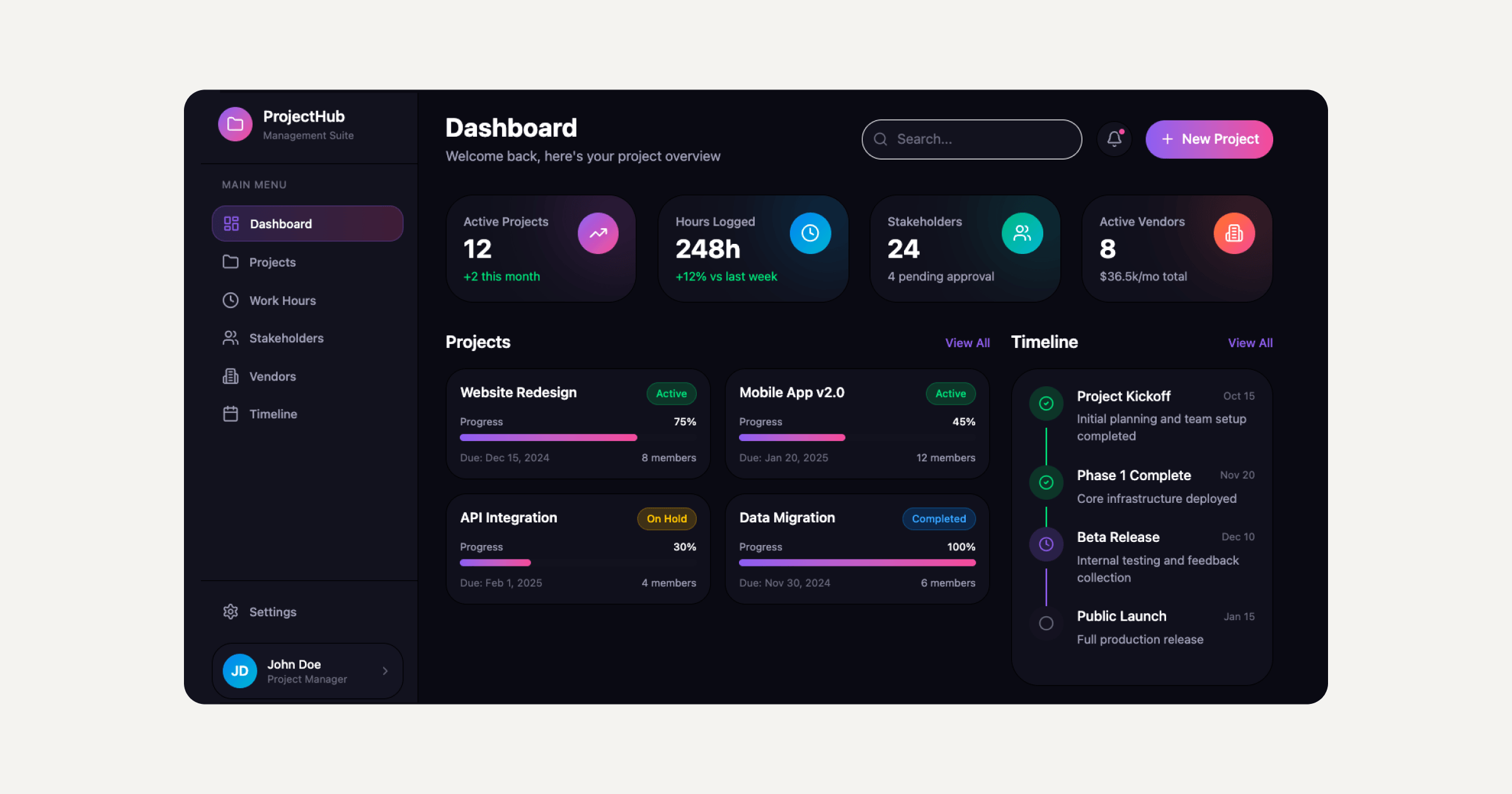
If you already build with WordPress or Elementor, Sticklight sits alongside that work rather than replacing it, extending what you can ship without giving up the tools you already know.
Frequently asked questions
What is a good way to ask a customer for a testimonial?
Ask soon after a good result, a finished project or a resolved support issue, and give two or three guiding questions instead of an open request. Specific prompts produce specific, more useful quotes.
Should testimonials include a photo or just text?
A photo, logo, or name and role next to a quote raises trust noticeably compared to plain unattributed text. Video or voice testimonials carry even more weight since they are harder to fake.
Where should testimonials go on a website?
Near the moments visitors are deciding, close to pricing, under a feature explanation, or above a signup form, rather than isolated on a page few people visit. A well placed quote near the top of a page often works better than many quotes further down.
How many testimonials should I show at once?
Fewer than it might seem. A visitor rarely reads more than two or three quotes before moving on, so a small, carefully chosen set usually performs better than a long testimonial wall.
How often should testimonials be updated?
Check every few months. A quote tied to a feature you have since changed, or from a customer who is no longer active, can undercut trust instead of building it, so swap in fresh ones as they come in.
Built by the Elementor team. Powered by Claude.
Let it glow.
