
How to Build a Blog Website in 2026

Building a blog website in 2026 comes down to four decisions: what you’ll write about, which platform you’ll build on, how your site is structured, and how consistently you publish and promote new posts. None of these require coding experience anymore, and a working blog can go live the same day you start, even if you’ve never touched a website before.
This guide walks through the practical steps of how to build a blog website, from picking a niche through your first published post and the traffic strategies that keep readers coming back. Whether you’re launching a personal blog, a company blog, or a niche publication, the same core sequence applies, and the tools available today make each step faster than it used to be.
Decide your niche and goal
Before you touch a platform, get specific about who you’re writing for and why. A blog about “travel” competes with millions of pages, while a blog about budget solo travel for remote workers has a clear audience and a much easier path to ranking and earning trust.
Your goal shapes everything downstream: a blog meant to build an audience needs consistent publishing and email capture, while a blog supporting a business needs content tied to products or services you actually sell. Write both down before you start setting up your site, since they’ll guide every design and content decision that follows.
Choose your platform (blog builder, CMS, or modern app builder)
Most people building a blog website choose between a dedicated blog builder, a full CMS like WordPress with Elementor for design, or a newer AI-assisted app builder that generates the site from a description. Each option fits a different comfort level and long-term plan, so weigh how much control over design you actually want against how quickly you need to launch.
A simple builder gets you publishing fast, a CMS gives you plugins and long-term flexibility, and an AI builder can produce a fully custom site from a prompt in minutes. There’s no single right answer here, only the option that matches how much time you want to spend on setup versus writing.
Set up your site: domain, design, categories
Once you’ve chosen a platform, the setup itself is mostly mechanical. A few essentials determine whether your blog feels professional from day one:
- A domain name that’s short, memorable, and easy to spell out loud
- A clean design with readable typography and clear navigation
- A small set of categories, three to six, that map to your niche
- An about page and a clear way for visitors to contact or follow you
Resist the urge to add every feature at once. A focused site with a handful of well-organized categories is easier for both readers and search engines to understand than a sprawling one with no clear structure, and it’s much simpler to expand later than to untangle.
Write and publish your first posts
Your first five to ten posts matter more than people expect, since they set the tone and become the internal links your future posts point to. Write the pieces you’d want to read yourself: specific, useful, and honest about tradeoffs rather than generic overviews that could apply to any topic.
Publish on a schedule you can actually sustain, whether that’s weekly or twice a month. A blog with ten solid posts released consistently over ten weeks will outperform thirty rushed posts dumped in a single weekend, and readers notice the difference in quality just as much as search engines do.
Grow traffic with SEO and sharing
Search engines and AI answer tools both reward posts that directly answer a specific question, use clear headings, and back up claims with real detail. Write your title and opening paragraph to match how people actually search, then structure the body so a skimmer can still find the answer fast.
Beyond search, share new posts where your audience already spends time, such as a newsletter, a relevant community, or social channels tied to your niche. Traffic compounds when older posts keep linking to newer ones and back again, so building that internal link habit early pays off for years.
Nobody scales a product by accident, they scale the habits they built while it was still small enough that nobody was paying attention.
Itamar Haim
Where Sticklight fits
Sticklight turns a plain-language prompt into a production-ready website, blog, app, or tool, so if you’d rather describe your blog than assemble it piece by piece, it gets you from idea to a working, styled site fast. It’s built for anyone who wants to move like a full-stack creator without needing a development team behind them.
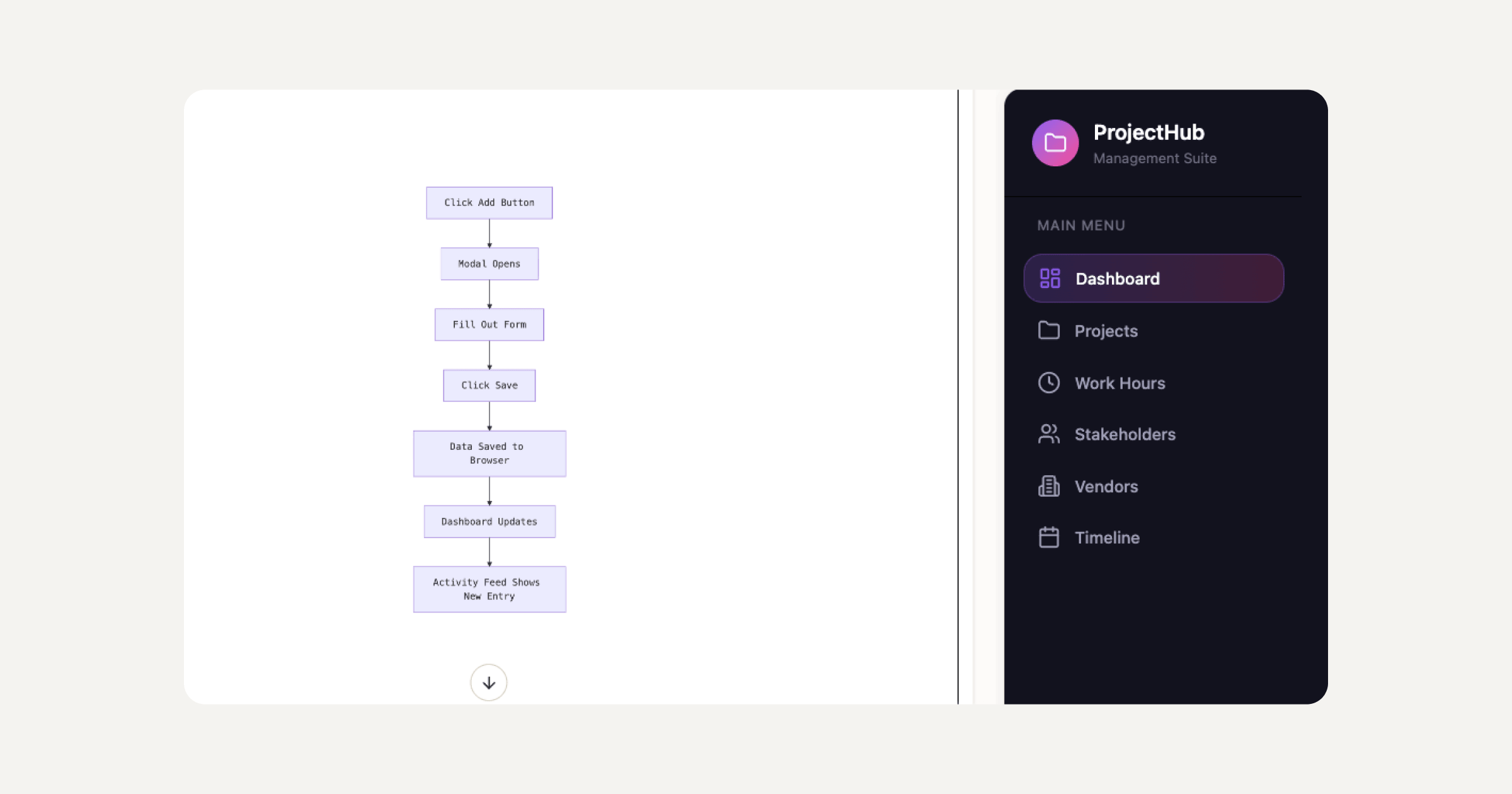
If you already run a WordPress or Elementor site, Sticklight fits alongside it rather than replacing what you’ve built: use it to spin up a new blog, prototype a fresh design, or build a companion app while your existing site keeps doing its job.
Frequently asked questions
How do I build a blog website?
Pick your niche and platform, set up your site and design, create categories, write and publish your first posts, then optimize for search and share to grow your audience.
What platform should I use to build a blog?
Options range from hosted blog builders to a CMS like WordPress and modern app builders. Match the platform to how much control, flexibility, and scale you want.
How much does it cost to build a blog website?
You can start for very little with a hosted tool, or pay more for a custom build. Budget for hosting, a domain, and any premium themes or plugins.
Do I need to code to build a blog website?
No. Most blog platforms let you build and publish without code, and modern tools can generate a full blog from a short description.
How do I get traffic to my blog?
Publish helpful content on a clear topic, optimize for search with good titles and structure, and share your posts through email, social, and communities.
Built by the Elementor team. Powered by Claude.
Let it glow.
