
How to Build a Booking Website in 2026

Building a booking website means combining four working parts: a calendar that shows real availability, a form that captures the details you need, a way to collect payment or a deposit, and automatic confirmations that keep both sides informed. Once those pieces work together, you publish the site and share the link so people can book without calling or emailing back and forth, and your calendar stays accurate on its own.
This article walks through what a booking website needs to do, how to choose between a booking plugin, a dedicated scheduling tool, or a modern app builder, which core features actually matter, and how to launch and reduce no-shows once bookings start coming in. Whether you run a salon, a studio, a consultancy, a clinic, or a rental business, the same basic structure applies, only the details of the form and the service list change.
What a booking website needs to do
At its core, a booking website replaces phone tag with a self-serve flow. A visitor lands on your page, sees open time slots, picks one, fills in their details, and gets a confirmation, all without you touching a keyboard. Behind the scenes, the site needs to block booked slots instantly so two people cannot grab the same appointment, and it needs to route each booking into whatever calendar or system actually runs your business, from a single-person schedule to a team with several locations.
Choose your approach
Most people start with a booking plugin added to an existing WordPress or Elementor site, or a standalone scheduling tool that runs on its own and embeds a widget wherever needed. Both work well for straightforward appointment booking and come with built-in calendar logic, so you are not reinventing availability rules from scratch.
If your booking flow is unusual, multi-step, or needs to feel like part of a bigger product rather than a bolted-on widget, a modern app builder that generates a custom site or app from a description gives you more control over layout, logic, and how booking connects to the rest of your business.
Core features to include
A few features separate a booking site that works from one that just creates support tickets:
- Live calendar and availability, synced so double-bookings cannot happen
- A booking form that asks only for what you need: service, time, contact details
- Payment or deposit collection at the time of booking
- Automatic confirmation and reminder messages by email or text
- An admin view where you can see, edit, or cancel upcoming bookings
Steps to build and launch
Start by mapping your actual booking rules: service durations, buffer time between appointments, how far in advance people can book, and any blackout dates. Getting this list right before you touch a tool saves you from reconfiguring everything later, once real bookings expose the gaps in your assumptions and someone books the slot you meant to keep open.
From there, connect your calendar and payment method, build the booking form, and test the entire flow yourself end to end, including the confirmation message, before you publish. Book a test appointment as if you were a stranger visiting the site for the first time. That is usually where you catch the small details you missed, like a service name that does not match what clients actually call it.
Reduce no-shows and grow bookings
Automated reminders sent a day and again an hour before an appointment cut no-shows more than almost anything else you can do. Pair that with a clear cancellation or rescheduling link inside the confirmation message, so people change plans instead of simply not showing up and leaving an empty slot you could have filled. Once the basics are solid, add reviews, a waitlist for popular time slots, or a gentle referral nudge in the confirmation email to keep bookings growing without extra manual work on your end.
I’ve noticed a working demo and a working business share almost nothing in common except the name people give them, and confusing the two is where most timelines fall apart.
Itamar Haim
Where Sticklight fits
Sticklight turns a plain-language prompt into a production-ready website, booking site, app, or tool, calendar logic, booking form, and confirmation flow included, so you can go from idea to a working booking system without hand-coding the pieces yourself. It is built for people who want to move fast and become a full-stack creator, handling both the product and the site that runs it.
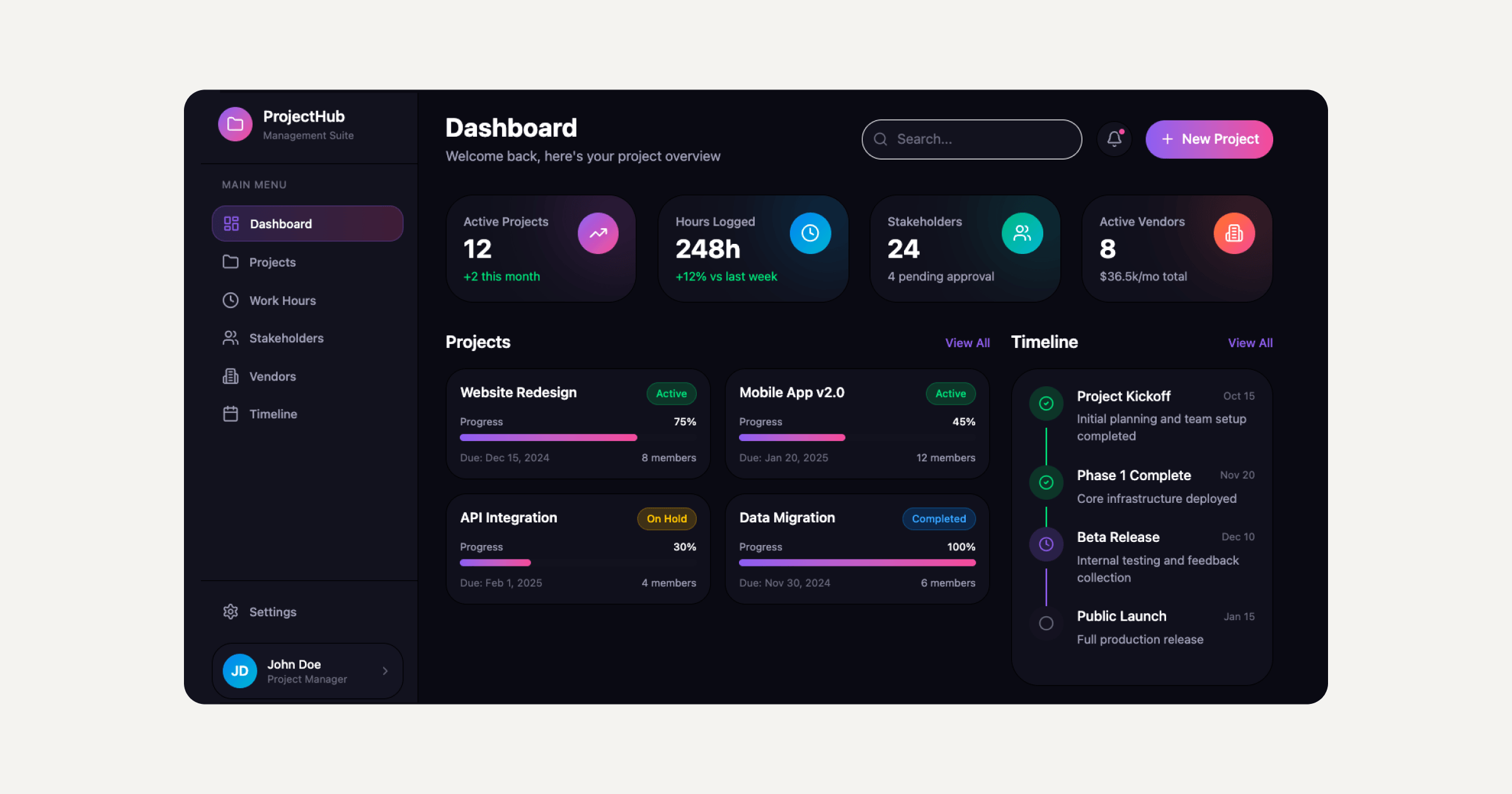
If you already run a WordPress or Elementor site, Sticklight fits alongside it rather than replacing it. Spin up a dedicated booking experience, a client portal, or a companion tool, then connect it back to the site you already have. It is meant to add capability to what you have built, not force a rebuild.
Frequently asked questions
How do I build a booking website?
Choose a platform, set up your services and availability, add a calendar and booking form, connect payments and confirmations, then design the pages and launch. Modern tools can generate much of it for you.
What features does a booking website need?
A calendar with real-time availability, a booking form, payments or deposits, automated confirmations and reminders, customer accounts, and an admin view to manage bookings.
How much does it cost to build a booking website?
It varies from low cost with a hosted tool to more for a custom build. Budget for the platform, payment fees, a domain, and any add-ons for reminders or calendars.
Do I need to code to build a booking website?
No. Many tools let you build a full booking system without code, though custom rules or integrations can benefit from developer help.
How do bookings and payments work together?
Customers pick a time, enter details, and pay or leave a deposit, then the system confirms the booking, blocks that slot, and sends reminders before the appointment.
Built by the Elementor team. Powered by Claude.
Let it glow.
