How to Build a Coming Soon Page in 2026

A coming soon page is a single web page that announces a site or product before it fully launches, gives visitors a reason to care, and collects their contact details so you can bring them back on launch day. Building one well means writing a clear message, adding an email signup, applying simple branding and a countdown, connecting your domain, and then publishing and promoting the page.
You do not need a large team or a long timeline to do this properly. Most coming soon pages can be planned, written, and published within a day or two, and the page can stay live for weeks or months while you finish the real product behind it. The steps below walk through the process in order, from the words on the page to the moment you share the link, so you can move at a pace that fits your launch.
Write the message
Start with the words, not the design. Say plainly what is coming, who it is for, and why someone should care enough to wait. One short headline, one or two supporting sentences, and a single clear call to action work better than a long explanation. Avoid vague phrases like “something big” and instead name the actual problem your site or product solves.
Read the message back as a stranger would. If it does not explain what the site or product does within a few seconds, trim it further. A shorter, plainer message almost always outperforms a clever one, because visitors decide whether to sign up before they finish reading.
Add an email signup
An email signup turns a visitor’s brief interest into a way to reach them later, so treat it as the most important element on the page. Ask for the email address only, skip extra fields that slow people down, and confirm each submission with a short thank you message. Place the form near the top so it is visible without scrolling.
A short incentive line can raise your signup rate. Common options include:
- Early access before the public launch
- A first look at pricing or features
- A one-time launch-day notice, nothing more
Add branding and a countdown
Basic branding tells visitors they are in the right place and builds a sense of a real, running project. Use your logo or wordmark, a couple of brand colors, and one supporting graphic or pattern. A countdown timer to a launch date is optional but useful once you have committed to a specific day, since it creates gentle urgency without needing bold claims or hard sells.
Keep the visual layer light. A coming soon page only needs to hold attention for a few seconds, so a clean layout with generous space around the message and form will read as more trustworthy than a busy one packed with extra elements.
Connect your domain
Once the page is ready, point your domain at it so the coming soon page is what people see when they visit your real web address. This usually means updating a DNS record or setting a redirect, then confirming the page loads correctly with a secure connection. If you already own the domain, this step can take effect within minutes to a few hours depending on DNS propagation.
If you do not own a domain yet, register one before you promote the page anywhere. Sharing a temporary link and then swapping addresses later means losing any signups or bookmarks tied to the first URL.
Publish and promote
Publishing means the page is live and ready for real visitors, not just a preview link shared internally. Once it is up, share it through the channels your audience already uses: social posts, an email to existing contacts, relevant communities, or a mention in your bio or profile. Keep the page updated as the launch date approaches so early visitors do not feel forgotten.
Revisit the page every so often rather than treating it as a one-time task. A short update on progress, or a note when the launch date shifts, keeps the people who signed up engaged instead of letting the page go quiet.
Where Sticklight fits
If you would rather describe the page than build it piece by piece, Sticklight is a vibe-coding platform, built by the Elementor team and powered by Claude, that turns a plain-language prompt into a production-ready coming soon page. You describe the message, the signup, and the look you want, and it assembles a page you can review and launch quickly.
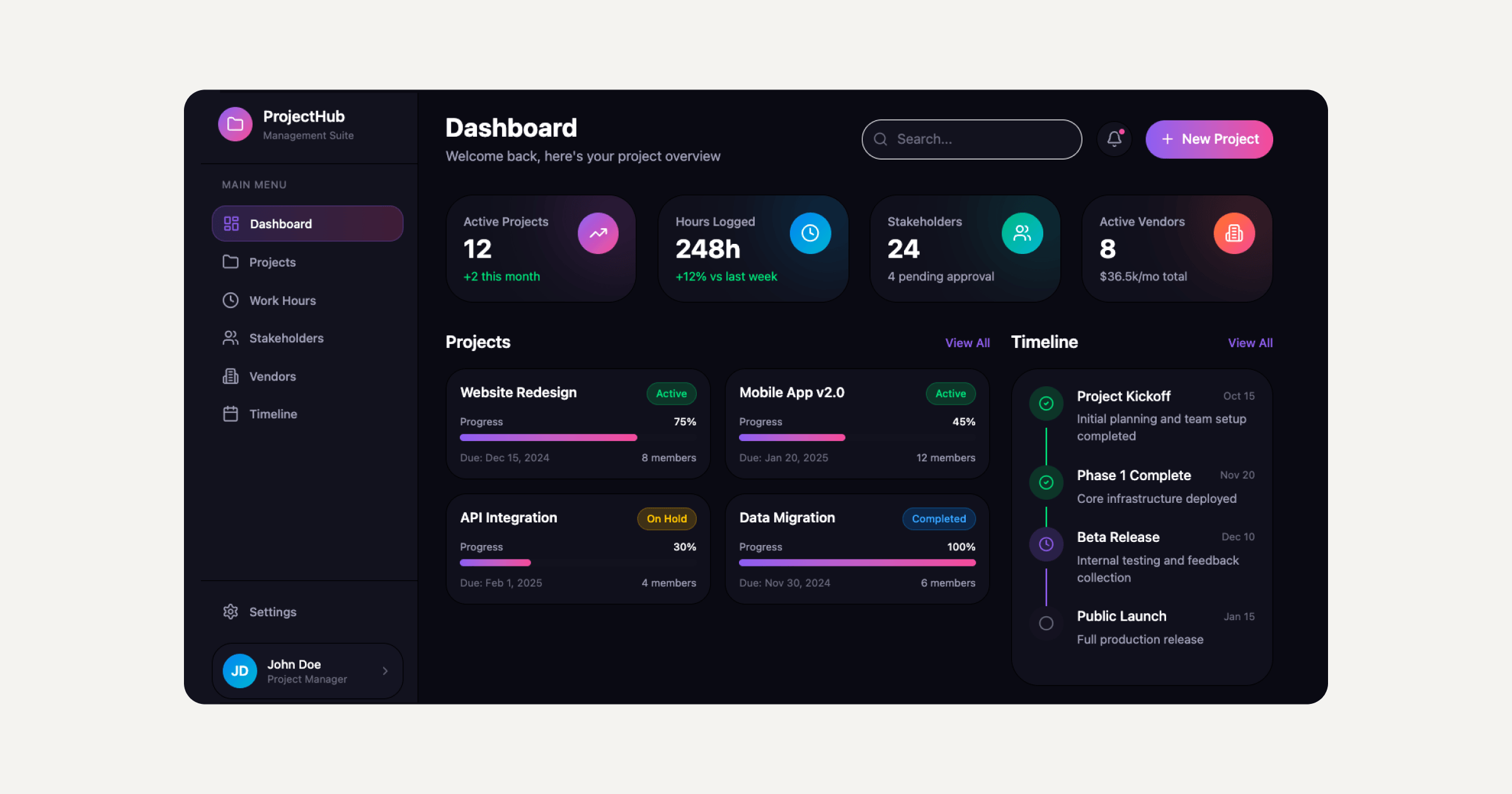
This works well alongside Elementor and WordPress rather than in place of them. If you already build in Elementor or run a WordPress site, you can use Sticklight to put a coming soon page together fast, then carry the finished layout into your existing workflow whenever it fits.
Frequently asked questions
How do I build a coming soon page?
Write a short, clear message about what is coming, add an email signup to capture interest, include your brand and a launch date if you have one, connect a domain, then publish. Modern tools can generate the page from a short description.
What is a coming soon page?
A coming soon page is a simple web page that goes live before your full site or product. It tells visitors what to expect and often collects emails so you can notify people when you launch.
What should a coming soon page include?
A useful coming soon page includes a headline, a short description, an email signup, your logo, and sometimes a countdown or social links. Keep it focused so visitors know what to do.
Do I need to code to build a coming soon page?
No. Many platforms and modern tools let you build a coming soon page with a signup form and countdown without code, while custom touches can benefit from developer help.
How does a coming soon page help before launch?
It builds early interest, collects emails for launch day, and reserves your web address. A clear message and signup can turn curious visitors into your first audience.
Built by the Elementor team. Powered by Claude.
Let it glow.