

How to Build a Directory Website in 2026

A directory website organizes businesses, professionals, products, or resources into a searchable, categorized listing that visitors browse to find exactly what they need. Think of it as a curated reference for one niche: each entry gets its own page with details and contact info, while the site as a whole earns trust and traffic by becoming the go-to source people return to.
Building one in 2026 follows a clear path: pick a niche with real demand, map out categories and listing fields, choose a platform that can handle search and submissions, then open the doors to your first listings. Founders can move from idea to a working directory in days now, since modern platforms and tools handle the database, search, and admin work that used to take a development team weeks to wire up.
Choose your niche
Pick a niche where the audience is specific enough to build authority but broad enough to sustain hundreds of listings, such as pet-friendly cafes in a region or freelance video editors by specialty. Validate demand with quick keyword and community research before committing, since a focused directory that solves one clear problem out-performs a generic one every time.
Plan listing structure and categories
Sketch the fields every listing needs before you touch a platform, since retrofitting a database later is painful and slow. A clear, consistent set keeps entries easy to compare and easy to search, and it saves you from redesigning everything once real listings start coming in.
- Name and short description
- Location, contact details, and hours
- Category and subcategory tags
- Price range or tier
- Photos, reviews, or a verified badge
Group categories into a tree two or three levels deep, since flat lists get messy fast and overly deep ones frustrate browsing, and decide early which fields are required versus optional so your submission form matches your database from the very first listing you publish.
Pick a platform
You can build a directory with a content management system and a listings plugin, a no-code database tool, or a custom build, and each route trades speed for flexibility differently. WordPress with Elementor gives founders a familiar, extensible base with themes and building blocks made for listings, while newer prompt-based tools let you describe the directory you want and get a working structure back in minutes instead of weeks.
Add search and filters
Search is the feature that makes a directory usable rather than just a long list. Add a search bar with autocomplete, then layer filters for category, location, price, and rating so visitors narrow results in a couple of clicks. Fast, accurate filtering keeps people on the site longer and is usually the difference between a directory people bookmark and return to and one they abandon after a single visit.
Set up listing submission and management
Decide whether listings come from you, from an admin team, or directly from businesses through a public submission form. A moderation queue keeps quality high, letting you approve, edit, or reject entries before they go live. Build in an easy way for owners to update their own listing later, hours, photos, pricing, since stale information is the fastest way to lose visitor trust.
Monetize and launch
Common revenue paths for a directory include featured or paid listings, subscription plans for business owners, lead generation fees, and display advertising once traffic grows enough to support it. Pick one primary model to start with rather than stacking all four, so pricing stays simple to explain and easy to test with early customers.
Launch once the core listings and search work well, with a solid seed of quality entries rather than a nearly empty database. Promote the directory in the community it serves, ask early users for feedback, and keep adding listings weekly so the site feels active and worth returning to.
Where Sticklight fits
Everything above still applies whether you build by hand or with help, and Sticklight is one way to move faster through it. Sticklight is a vibe-coding platform built by the Elementor team that turns a plain-language prompt into a production-ready directory, complete with search, category filters, and listing pages already wired to a working back end.
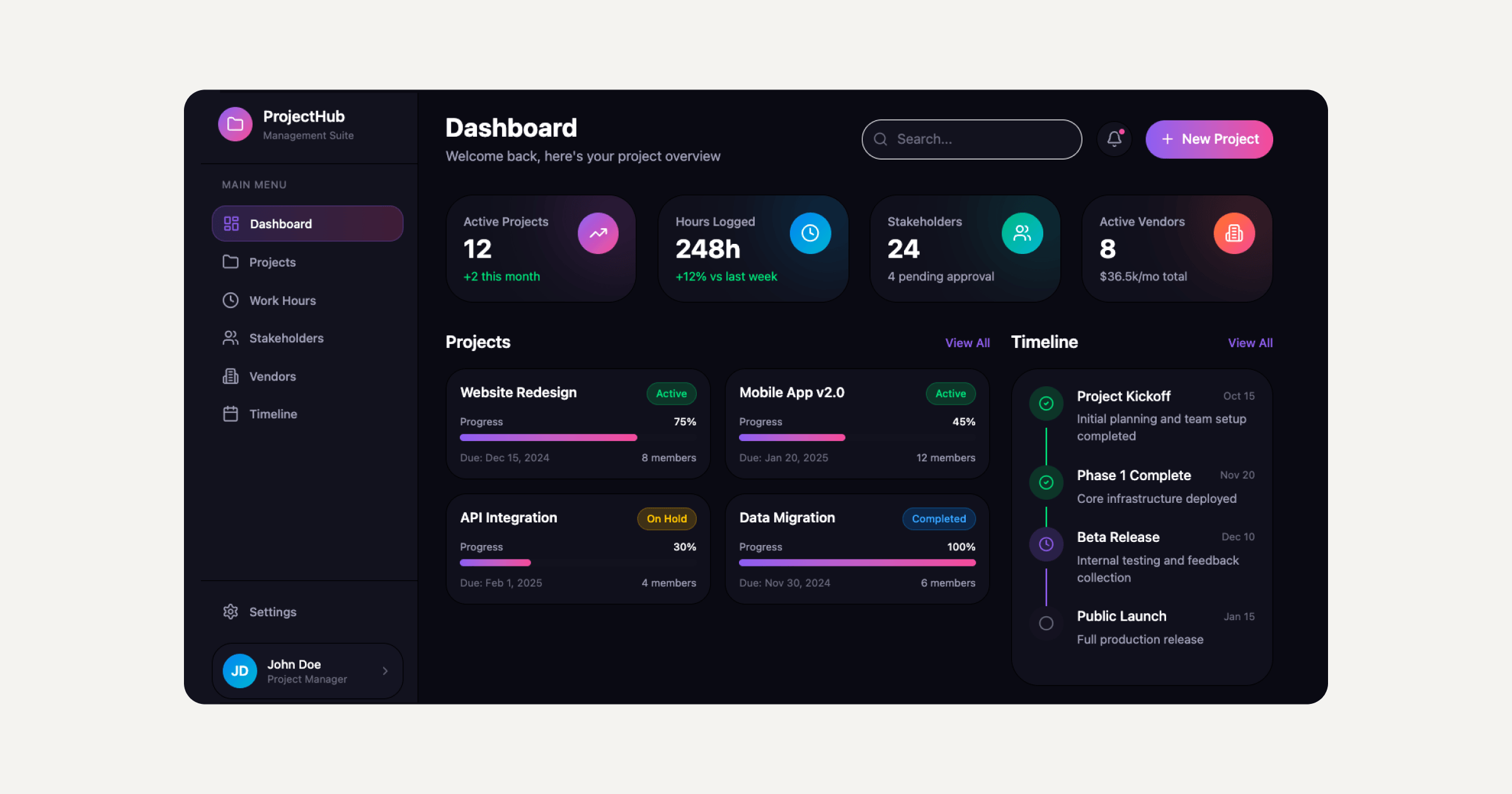
It sits alongside WordPress and Elementor rather than replacing them, so teams already comfortable with that ecosystem get a quicker path to a first version, while newer founders get a directory they can launch and refine without writing the submission logic or the search index themselves.
Frequently asked questions
How do I build a directory website?
Choose a niche, plan your listing structure and categories, pick a platform, add search and filters, create a way to submit and manage listings, then launch and promote it. Modern tools can generate much of it for you.
What is a directory website?
A directory website is a site that organizes listings into categories, such as businesses, services, or products, so visitors can browse, search, and find what they need.
How do directory websites make money?
Common models include paid listings, featured placements, memberships, advertising, and lead fees. Many directories combine a few of these.
What features does a directory website need?
Core features include categories, search and filters, listing pages, a submission form, and a way to manage or moderate listings. Reviews and maps are common additions.
Do I need to code to build a directory website?
No. Many platforms and modern tools let you build a searchable directory without code, while custom features can benefit from developer help.
Built by the Elementor team. Powered by Claude.
Let it glow.
