
How to Build a Forum in 2026

A forum is still one of the best ways to get people talking to each other in one place instead of scattering the conversation across social posts and comment threads. Building one in 2026 comes down to a handful of decisions made early: where it lives, how people sign in, how discussions are organized, and how you keep it from filling up with noise. None of that requires a huge team, but skipping the planning step is the most common way forums stall out after launch.
This is a practical walkthrough of the steps, not a promise that any single tool will do the work for you. The right setup depends on your audience size, how technical your community is, and whether the forum is a side feature or the main product.
Decide what the forum is actually for
Before picking software, write down the job the forum needs to do. Support forums are organized around questions and answers, with a strong search function and a way to mark a reply as the accepted solution. Community forums built around a shared interest lean more on ongoing discussion, subforums by topic, and social features like following members. Product feedback forums need voting and status tags so people can see whether an idea was considered, planned, or shipped. Naming the primary purpose keeps you from adding every feature at once and ending up with a cluttered layout nobody wants to use.
Choose the structure and categories
Once the purpose is clear, sketch the category structure before writing any content. Most forums work best with a small number of top-level categories, each holding a handful of subforums or tags, rather than a long flat list of channels. Think about where a new visitor’s first question would go, and whether the categories still make sense once the forum has thousands of posts instead of a dozen. It helps to look at a couple of mature forums in your space and note how they group topics, then simplify from there rather than copying their full structure.
Set up accounts, roles, and moderation
Every forum needs a login system, and most platforms support email signup, social login, or single sign-on if the forum sits inside an existing product. Decide early who can post immediately versus who needs approval, since open registration without any review tends to attract spam accounts. Set up at least two roles beyond regular members: a moderator role that can edit or remove posts, and an admin role that controls categories and settings. Write a short set of community guidelines before launch so moderators have something concrete to point to, rather than making judgment calls from scratch on day one.
Build or select the platform
You generally have three paths: an off-the-shelf forum platform, a forum plugin added to an existing site, or a custom-built forum tied into your own product and user accounts. Off-the-shelf platforms get you running fastest and include search, notifications, and moderation tools out of the box. A plugin approach makes sense if the forum needs to live inside a site you already run, sharing the same login and design. A custom build makes sense when the forum needs to be tightly integrated with your product data, such as tying discussion threads to specific accounts, orders, or projects, rather than functioning as a standalone community.
Launch, seed, and keep it active
A forum with zero posts feels empty and discourages the first visitors from posting. Seed the forum yourself before opening it publicly: write a handful of genuinely useful threads, answer them, and pin a welcome post that explains what the space is for. Invite a small group of early users directly rather than announcing to everyone at once, since a slow trickle of real conversation reads better than a sudden crowd with nothing to reply to. After launch, keep showing up. Forums grow through consistent replies from someone who cares about the topic, not through the software alone.
- Define the forum’s primary purpose before choosing software
- Keep the category structure simple and revisit it as the forum grows
- Set clear moderation roles and guidelines before opening registration
- Seed early content and invite a small group before a public launch
Where Sticklight fits
WordPress and Elementor remain solid, proven ways to add a forum to an existing site, whether through a dedicated forum plugin or a custom theme built around discussion threads. They work well when the forum is one part of a larger site you’re already building on that stack.
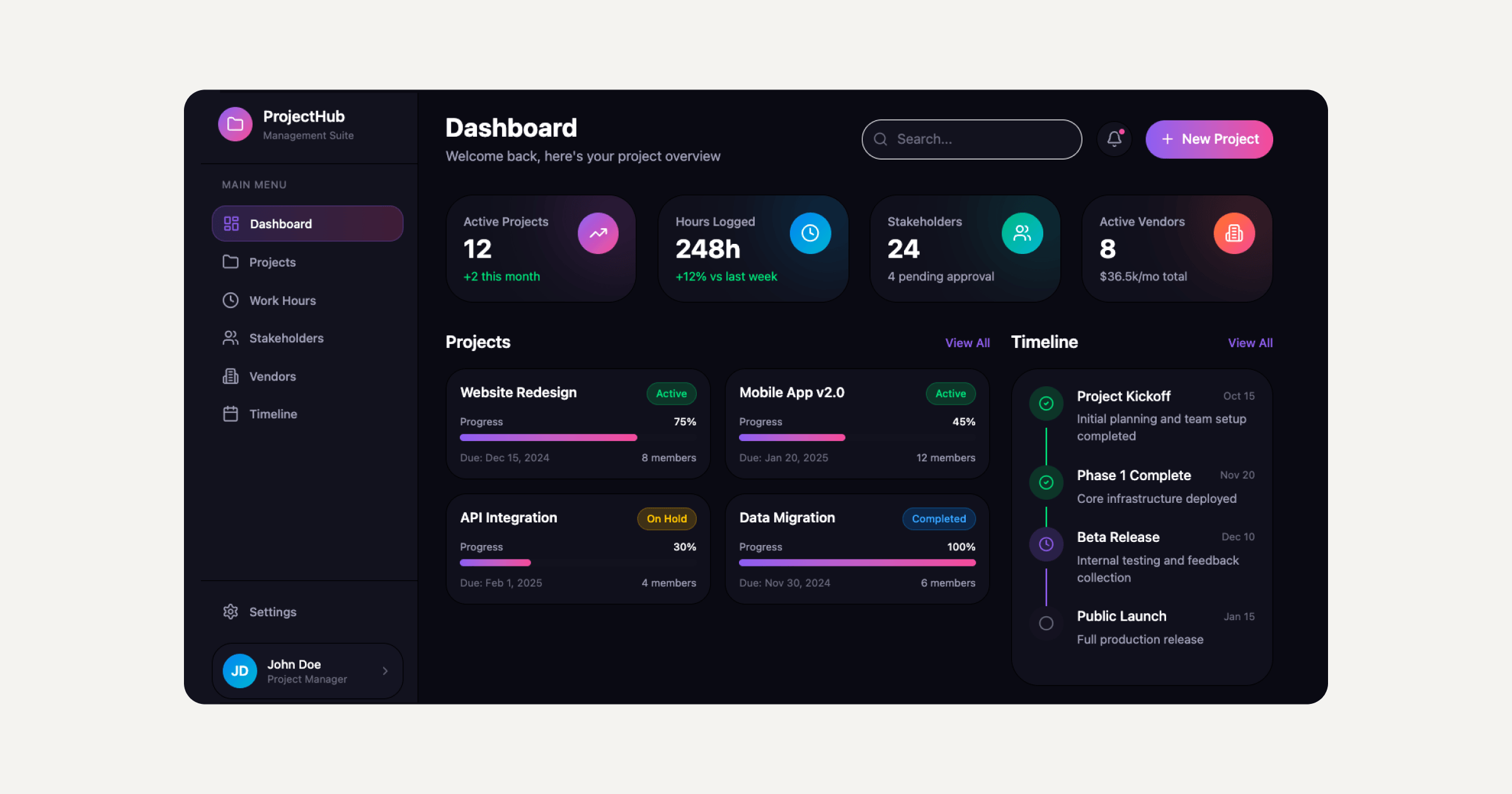
Sticklight is a vibe-coding platform for professional web creators, built for cases where the forum needs to go further than a plugin allows: custom account logic, a moderation dashboard, voting rules, or a discussion feature tied directly into your own product data. You describe what you want in plain language, and it turns that into a production-ready website, app, dashboard, CMS, or tool, not just a page. That makes it a fit for creators who want a forum that behaves exactly the way their community needs, beyond what a standard plugin offers, while still being able to reach for WordPress and Elementor when a simpler, proven setup is the better call.
Frequently asked questions
What is the first decision to make before building a forum?
Decide the forum’s primary purpose, such as support questions, general community discussion, or product feedback, since that choice shapes the category structure, the features you need, and how you moderate it later.
Should I use a forum plugin or build a custom forum from scratch?
A plugin added to an existing site is usually faster and works well when the forum only needs to share a login and design with the rest of the site, while a custom build makes sense when discussions need to tie directly into your own product data.
How many categories should a new forum start with?
Start with a small number of top-level categories and a few subforums under each, then adjust as real posts come in, rather than designing a large category tree before anyone has posted a single thread.
How do I stop a new forum from filling up with spam?
Set up account approval or basic verification for new members, assign at least one moderator role that can edit or remove posts, and publish community guidelines before opening registration to the public.
What is the best way to launch a forum so it does not feel empty?
Seed the forum with a handful of useful threads you write and answer yourself, invite a small group of early users directly, and keep replying consistently after launch instead of waiting for the software to generate activity on its own.
Built by the Elementor team. Powered by Claude.
Let it glow.