
How to Build a Job Board Website in 2026

Building a job board website comes down to four working parts: a clear listing structure, a way for employers to post and manage roles, search and filters that help candidates find the right fit fast, and a monetization model that keeps the site running. Get those four right and the rest, design, branding, launch, follows naturally on top.
This article walks through choosing a niche, structuring your listings, picking a platform, adding search and filters, handling postings and applications, picking how you will make money, and launching to attract both employers and job seekers. Whether you are building a general board or one focused on a single industry or region, the same core structure applies.
Choose your niche
General job boards compete with massive, well-funded incumbents, so most new boards succeed by narrowing in: a single industry, a region, a skill level, or a work style like remote or freelance. A tighter niche makes it easier to attract the right employers, rank for specific search terms, and give candidates a reason to check your board instead of a bigger, broader one.
Plan your job listing structure
Before you build anything, decide what a listing actually contains, since retrofitting new fields onto old posts later is more work than getting the list right up front. Keep the fields consistent across every post so candidates can scan and compare quickly, and so search and filters have something reliable to work against.
- Job title and company name
- Location or remote status
- Job type: full-time, part-time, contract, freelance
- Salary range, when available
- Short description and required qualifications
- How to apply: link, email, or built-in form
Pick your platform
You can add job board functionality to an existing WordPress or Elementor site with a dedicated plugin, which works well if listings are one part of a larger site. For a board that is the whole product, a modern app builder that turns a plain description into a working site gives you more control over the listing structure, search behavior, and how postings connect to your own back end.
Add search and filters
Once you have more than a handful of listings, browsing alone stops working. Candidates need to search by keyword and filter by location, job type, category, and salary range to narrow results in a few clicks. Fast, accurate filtering is often the single biggest factor in whether people stay on your board or bounce to a search engine instead. Save searches or simple alerts for new matching roles turn a one-time visitor into someone who checks back regularly.
Set up job posting and applications
Decide how employers get listings onto the board: a self-serve form, manual approval by you, or both, with a moderation step so spam and duplicates do not pile up. On the applicant side, keep the apply flow short, either a built-in form that captures resume and contact details, or a clean redirect to the employer’s own page. A short confirmation email keeps both sides informed once a listing goes live or an application arrives.
Choose a monetization model
Most job boards earn through paid listings, a flat fee or subscription for employers to post, sometimes paired with free basic listings and paid upgrades like featured placement. Some niche boards instead stay free for postings and monetize through sponsorships or a related paid service, which can help attract employers faster in the early months. Whichever model you pick, keep pricing simple and visible, since employers comparing boards tend to skip ones that hide the cost.
Launch and attract users
Seed the board with real, relevant listings before you launch publicly, an empty board convinces no one to come back. Reach out to employers directly for those first postings, then promote the board through the communities and social channels where your niche’s candidates already spend time. Set a simple cadence for adding new roles each week, since a stale board loses both audiences just as fast as an empty one.
Where Sticklight fits
Sticklight is a vibe-coding platform by the Elementor team that turns a plain-language prompt into a production-ready job board, with listings, search, filters, and the back end that ties them together already wired up. It is built for founders and small teams who want to move fast and become full-stack creators, owning both the product and the site that runs it.
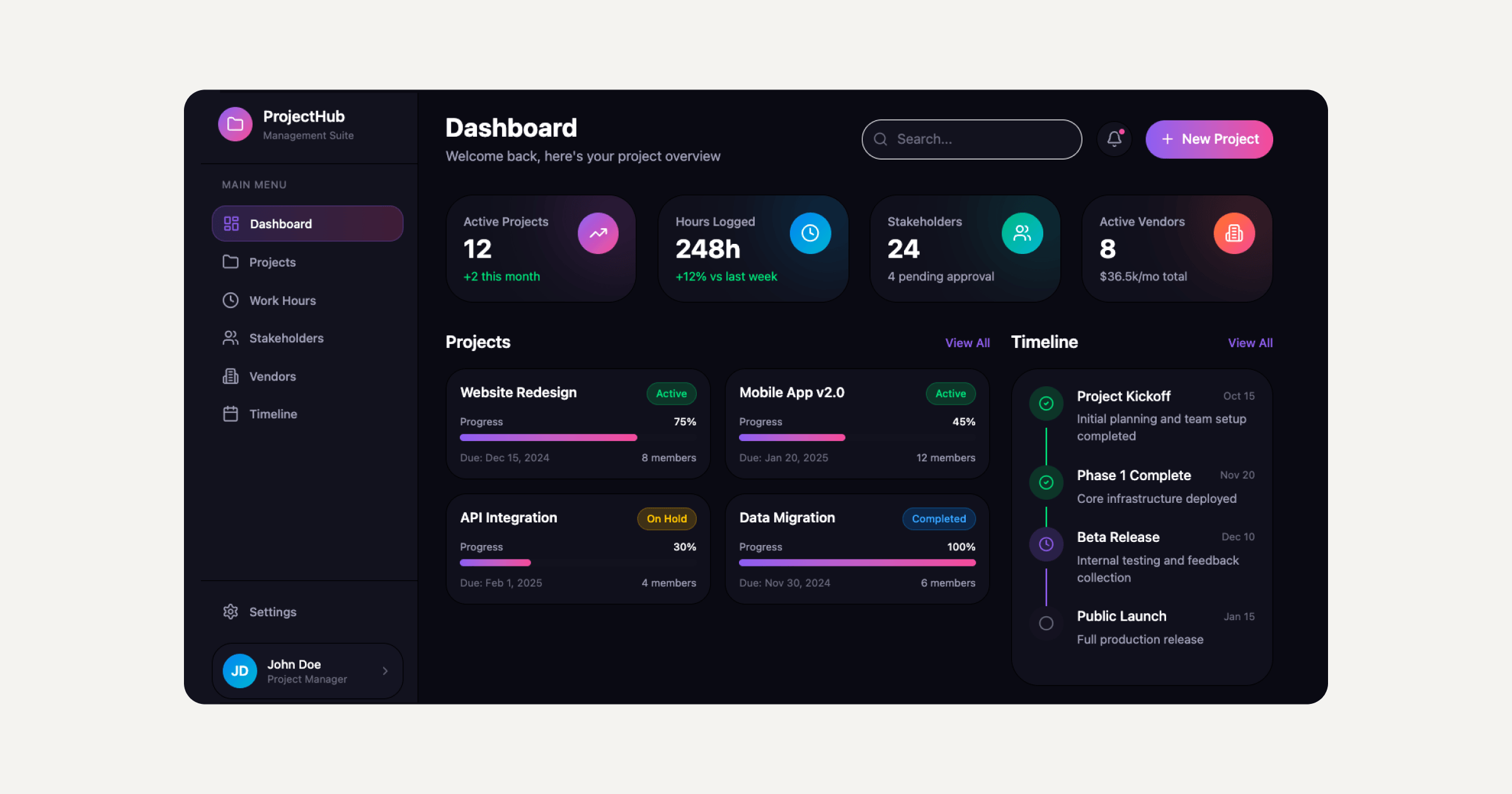
If you already run a WordPress or Elementor site, Sticklight fits alongside it rather than replacing it. Stand up a dedicated job board or a companion careers page, then connect it back to the site you already have. It is meant to add capability to what you have built, not force a rebuild.
Frequently asked questions
How do I build a job board website?
Choose a niche, plan your job listing structure, pick a platform, add search and filters, set up job posting and applications, choose a monetization model, then launch and attract employers and candidates. Modern tools can generate much of it for you.
How do job board websites make money?
Common models include paid job postings, featured listings, employer subscriptions, resume database access, and advertising. Many job boards combine a few of these.
What features does a job board website need?
Core features include job listings, search and filters, an application flow, employer accounts for posting, and a way to manage listings. Alerts and candidate profiles are common additions.
Do I need to code to build a job board website?
No. Many platforms and modern tools let you build a job board without code, while custom features can benefit from developer help.
How do I attract employers and job seekers?
Start with a clear niche, seed early listings, promote to relevant communities, make posting and applying simple, and keep the board active with fresh, relevant jobs.
Built by the Elementor team. Powered by Claude.
Let it glow.
