
How to Build a Marketplace Website in 2026

To build a marketplace website, you need five things in place: a clear niche and business model, a two-sided feature set covering profiles, listings, search, payments, and reviews, a build approach that matches your budget and timeline, a launch plan that seeds both supply and demand, and a growth loop that keeps both sides coming back. Get those right and the technical part becomes much easier.
A marketplace is a different animal from a normal website because you are really building two products at once, one for the people selling or offering something and one for the people buying it. This article walks through how to build marketplace website in 2026, from picking your model and must-have features to choosing a build approach and launching with enough momentum on both sides to keep the thing alive.
What a marketplace website is and the two sides you serve
A marketplace website connects two distinct groups, typically buyers and sellers, and takes a cut or fee for making the match happen. Think freelance platforms, rental sites, or local service directories. Unlike a normal storefront, you are not selling your own inventory. You are building trust and infrastructure so strangers can transact with confidence.
Every decision you make, from onboarding to search ranking, needs to serve both sides at once. A feature that delights buyers but frustrates sellers, or the reverse, will quietly erode the marketplace over time. Keep both perspectives in view from day one.
Plan your niche and business model
Start narrow. A marketplace for local pet groomers will find its first hundred users faster than a generic services marketplace ever will. Once you have a niche, decide how you get paid: commission on transactions, listing fees, subscriptions for sellers, or a hybrid.
Commission models scale with usage and feel fair to new sellers, but they require you to handle payment flow directly. Subscription or listing fees are simpler to build first but ask sellers to pay before they see results. Pick the one that matches how much trust you can earn early.
Core features to include
Regardless of niche, most marketplaces need the same backbone. Get these right before adding anything clever.
- User profiles for both buyers and sellers, with verification where trust matters
- Listings with clear structure, photos, pricing, and availability
- Search and filtering that surfaces relevant results fast
- Payments with built-in commission handling and payout scheduling
- Reviews and ratings tied to completed transactions
- Messaging so buyers and sellers can coordinate before committing
Choose your build approach
You have three broad paths. A hosted marketplace platform gets you moving fastest but limits customization and locks you into its fee structure. An open-source marketplace framework gives you full control but demands real development time and ongoing maintenance from your team.
A modern app builder sits between the two: you describe what you want and get a working, customizable marketplace without wiring up a payments system and search index from scratch. For most first-time builders in 2026, that middle path offers the best ratio of speed to control.
Steps to build, launch, and grow both sides
Sequence matters. Nail down your niche and pricing model first, then build the core loop: sign up, list, search, transact, review. Recruit a small batch of sellers before you open the doors publicly, since an empty marketplace convinces no one to stay.
After launch, growth is a balancing act. Too many buyers with few listings frustrates people; too many sellers with no buyers does the same in reverse. Track both sides separately, incentivize early sellers with reduced fees or featured placement, and use reviews from your first transactions as social proof to pull in the next wave on both ends.
Where Sticklight fits
Sticklight turns a plain-language prompt into a production-ready website, marketplace, app, or tool, so you can go from an idea for a two-sided platform to something buyers and sellers can actually use, without having to become an engineer along the way. It is built for people who want to move from idea to working product without hiring a dev team, which makes it a natural fit for a first marketplace build. That is what becoming a full-stack creator looks like in practice: describing what you need and getting a real product back.
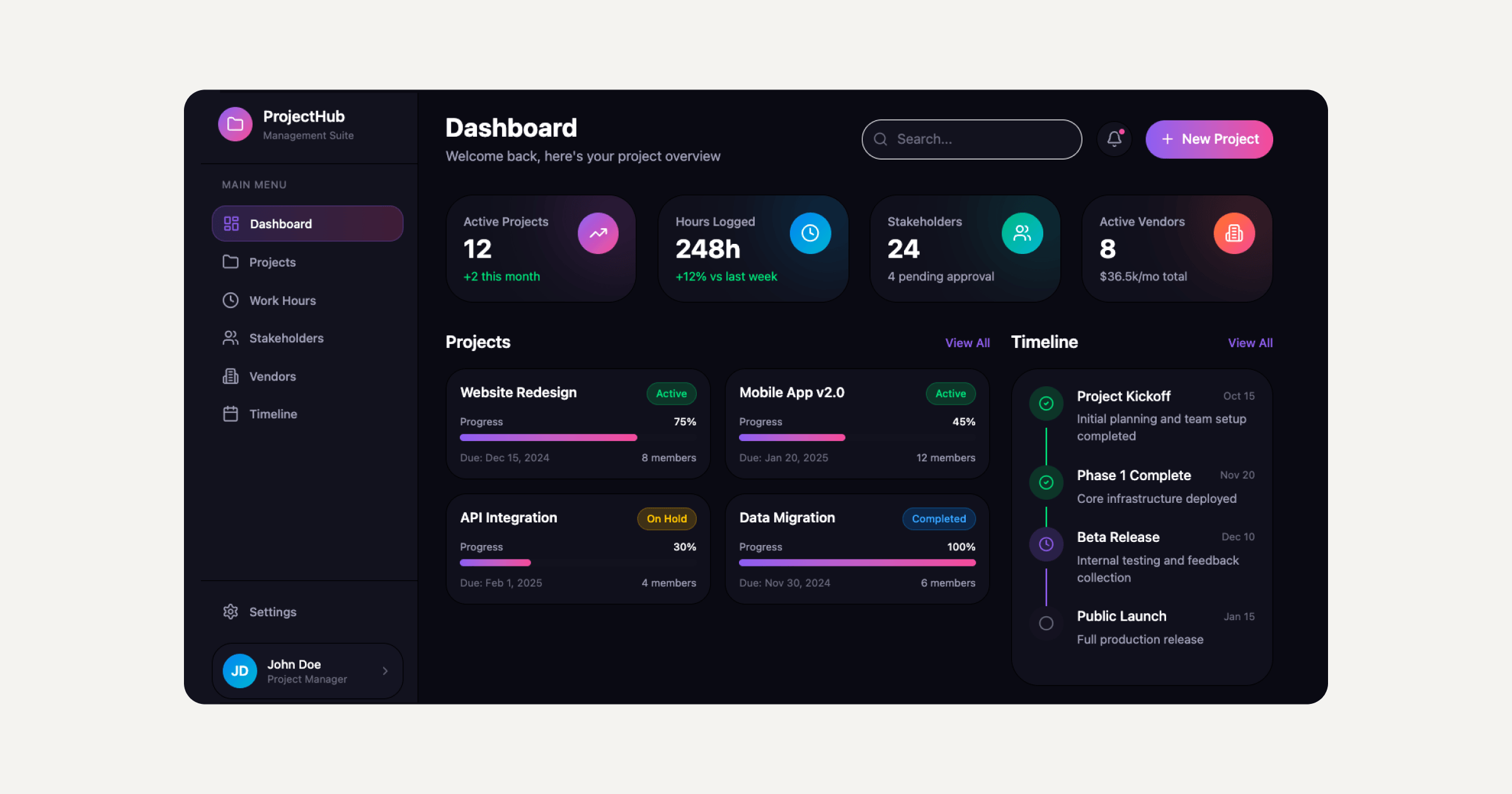
Sticklight is also built to sit alongside the tools you already use. If you already run a WordPress or Elementor site, Sticklight does not ask you to give that up. It adds the marketplace piece you need without replacing what is already working for you.
Frequently asked questions
How do I build a marketplace website?
Define your niche and the two sides you serve, choose a platform, add listings, user accounts, search, messaging, and payments with a commission model, then launch to a small group and iterate.
What features does a marketplace website need?
Profiles for buyers and sellers, listings, search and filters, secure payments with commissions, reviews, messaging, and admin tools to manage the platform.
How much does it cost to build a marketplace?
It varies widely based on features and approach, from low cost with modern builders to more for a custom build. Budget for the platform, payments, and ongoing operations.
How do marketplaces make money?
Common models include a commission on each transaction, listing or subscription fees, featured placements, and advertising. Many combine several.
Do I need to code to build a marketplace?
Not necessarily. No-code, low-code, and AI build tools can create a working marketplace, though complex logic may still benefit from developer help.
Built by the Elementor team. Powered by Claude.
Let it glow.