
How to Build a Membership Website in 2026

How to build a membership website comes down to four decisions: pick a platform that can handle gated content and recurring payments, decide what actually sits behind the paywall, set up member accounts and a payment processor, then open the doors to your first members. The tools have gotten simpler in recent years, so the technical bar is lower than most people expect.
A membership website turns your content, community, or expertise into recurring revenue instead of one-off sales. This article walks through who membership sites suit, how to structure tiers, which build approach fits your situation, the features that separate a working site from a broken one, and how to launch and keep the members you sign up.
What a membership website is and who it suits
A membership website restricts some or all of its content to paying members, using logins and access rules instead of a single checkout. It suits course creators, coaches, niche publishers, software communities, and anyone with know-how worth paying for on an ongoing basis rather than once. If your audience keeps asking follow-up questions after a single purchase, that appetite for more is usually a sign a membership model would work.
Plan your tiers and what you gate
Before touching any software, decide what sits behind the paywall: articles, videos, downloads, a private community, or live sessions. Most successful sites start with two or three tiers, a free or low-cost entry point and one or two paid levels with clearer differences in access, not just price. Write down what each tier includes and excludes; vague tiers are a common reason members cancel within the first month.
It also helps to decide upfront whether new content unlocks gradually through a drip schedule or arrives all at once. Drip release gives members a reason to keep their subscription active month after month, while an all-access library suits reference material people dip into as needed rather than follow in order.
Choose your approach
You generally have two paths. A membership plugin added to an existing WordPress or Elementor site keeps you inside a platform you already know, with themes and payment add-ons ready to go. A modern app builder, where you describe what you want and it generates a working site, suits people who want to move fast without learning a plugin’s settings screens. Either path can work; the right choice depends on what you already have built and how much control you want over the code underneath.
If you’re starting from nothing, weigh how much time you want to spend on setup versus content. A plugin route usually means more configuration up front in exchange for a familiar ecosystem of themes and support forums, while a prompt-based builder trades some of that familiarity for speed, letting you get a working membership area live in a single sitting.
Core features that make it work
A working membership website needs a handful of pieces working together, not just a paywall bolted onto a blog. At minimum you need:
- Member accounts with secure login and password reset
- Content or community access gated by tier
- Recurring payment processing that handles failed cards and cancellations
- A member dashboard showing what they’ve paid for and what’s included
- Admin tools to see who’s active, who’s overdue, and who’s about to churn
Skip any one of these and you end up patching the site by hand within weeks of launch.
How to build, launch, and keep members
Start by mapping your tiers and gated content on paper, then set up accounts and payment processing before writing a single page, since pricing decisions shape everything downstream. Build your free or public pages first so search engines and visitors have somewhere to land, then wire up the gated areas and test the full signup-to-cancel flow yourself before inviting real members in.
Getting someone to sign up is the easy part; keeping them past month three is where a membership site actually earns its keep. Publish or update gated content on a predictable schedule, drip new material rather than releasing it all at once, and watch for members who quietly stop logging in, since inactivity is a far earlier churn signal than a cancellation.
Where Sticklight fits
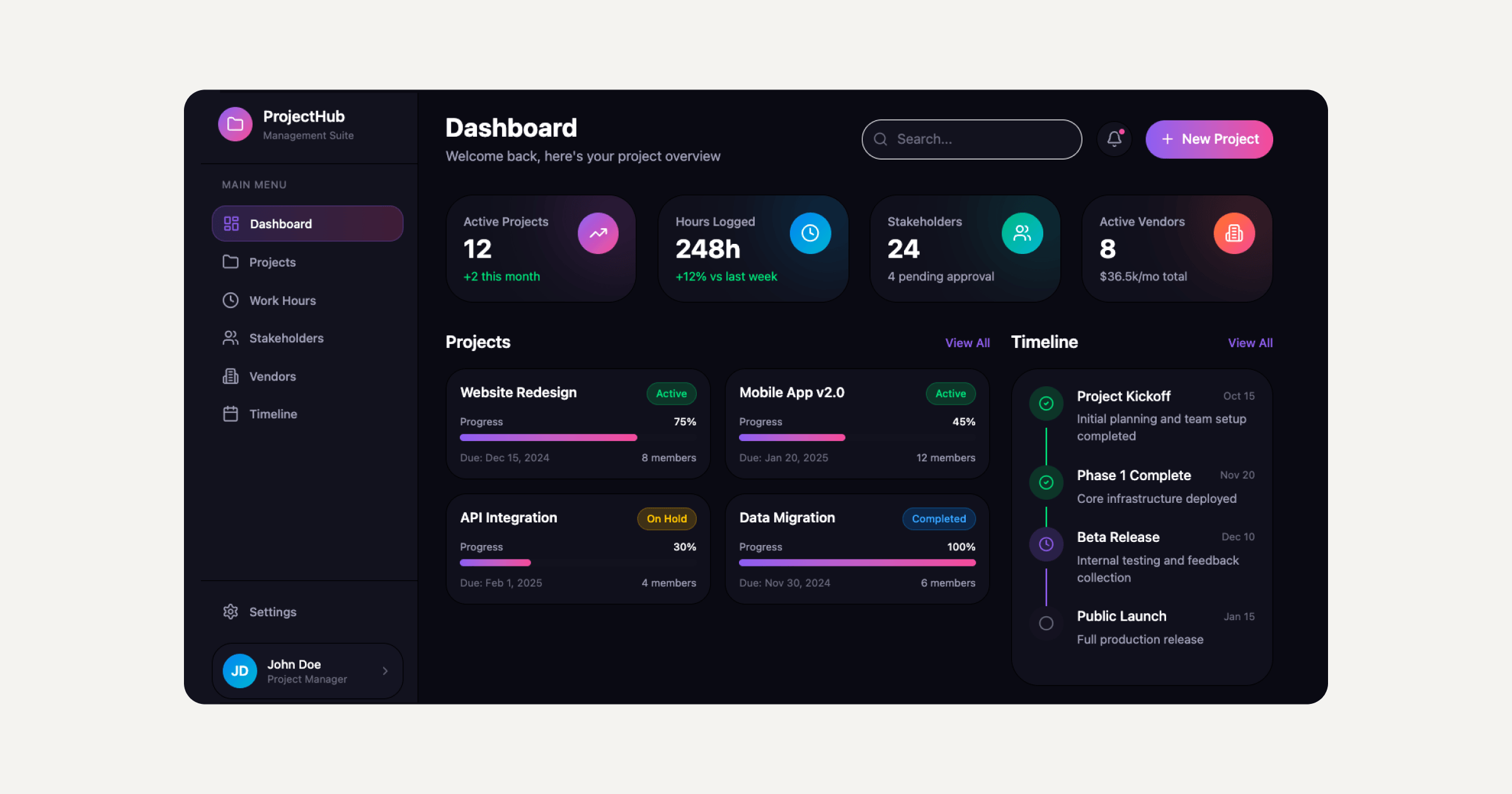
Sticklight takes a prompt and turns it into a production-ready website, membership site, app, or tool, so building the gated pages, member accounts, and payment flow described above doesn’t have to mean learning a plugin’s settings screens or hiring a developer. You describe the tiers and features you want, and it builds toward a working site, which is a meaningful step toward becoming a full-stack creator rather than someone who only manages content.
It’s built to sit alongside an existing WordPress or Elementor site rather than replace it, so if you already have a site you like, you can bring in Sticklight for the membership piece specifically instead of rebuilding everything from scratch.
Frequently asked questions
How do I build a membership website?
Choose a platform, define your membership tiers, gate your content, set up member accounts and recurring payments, then design the pages and launch. Modern tools can generate much of it for you.
What features does a membership website need?
Member sign-up and login, tiered access, gated or drip content, recurring payments, a member dashboard, and admin tools to manage members and content.
How much does it cost to build a membership website?
It varies from low cost with a hosted tool to more for a custom build. Budget for the platform, payment fees, a domain, and any add-ons for courses or communities.
How do membership payments work?
Members pay a recurring fee through a payment provider, which unlocks their tier. The site tracks status and restricts access if a subscription lapses.
Do I need to code to build a membership website?
No. Many tools let you build a full membership site without code, though custom access rules or integrations can benefit from developer help.
Built by the Elementor team. Powered by Claude.
Let it glow.