How to Build a Personal Website in 2026

Building a personal website in 2026 comes down to six clear steps: decide what the site needs to do, plan the pages you need, gather your content, choose a design that reflects your work, connect a domain, and launch. None of these steps require coding knowledge, and a focused personal site built around one clear goal usually beats a page that tries to do everything at once.
This guide walks through each step in order, from the planning work you do before writing anything to the moment your site goes live under your own domain. Whether you are a freelancer, a job seeker, a consultant, or someone who simply wants a home base online, the process below scales to match how much time and content you have to work with, and none of it requires a technical background to finish.
Decide your goal
Start by naming the one thing you want visitors to do after they land on your site. A freelancer might want inquiries, a job seeker might want interview requests, a consultant might want booked calls. Write that goal down in a single sentence before you plan any pages. Every later decision, from what content you gather to how the site looks, becomes easier once that sentence is settled.
Plan your pages
Most personal sites work well with a small, focused set of pages rather than a large menu that repeats itself. Before you write anything, sketch out which pages you actually need and what each one is responsible for saying, since a clear structure makes both writing and design faster later on. A common structure includes:
- A home page that states who you are and what you do
- An about page with your background and story
- A work or portfolio page showing examples of what you have done
- A contact page with a simple way to reach you
Add a blog only if you plan to publish regularly, since an empty one can undercut an otherwise polished site. If you are not sure yet, leave it off for launch and add it later once you have a few posts ready to publish at once.
Gather your content
Collect what you need before you start building, since gathering content mid-build tends to stall momentum. That means a clear headshot or work photo, a short bio written in your own voice, examples of your work or writing, and any credentials or testimonials worth including. Save everything in one folder so it is ready the moment you sit down to build the site.
Choose your design
Pick a look that matches how you want to be perceived rather than chasing every trend you see. A consistent font pairing, a small color palette, and generous white space read as more professional than a busy layout packed with effects. Check how the site looks on a phone screen as well as a laptop, since most visitors will likely find you through a mobile search first, and slow-loading pages or cramped text on a small screen will cost you attention before anyone reads a word.
Connect your domain and launch
Register a domain that matches your name or brand as closely as possible, and keep it short enough to say out loud without confusion. Once your site is ready, follow your host’s instructions to point the domain at your site, which usually takes effect within a few hours. Before you announce the launch, click through every page and link yourself to catch anything that needs a fix, and read your bio and headlines once more with fresh eyes.
After launch, treat the site as something you revisit rather than a one-time project. Update your work examples as they change, refresh your bio periodically, and check every few months that links and contact details still work as intended for anyone trying to reach you.
Where Sticklight fits
If you want to skip the manual build steps above, Sticklight turns a written prompt into a production-ready personal website, complete with pages, layout, and structure already in place. From there you can keep shaping it yourself, adding pages, adjusting content, and growing the site as your work and goals change over time.
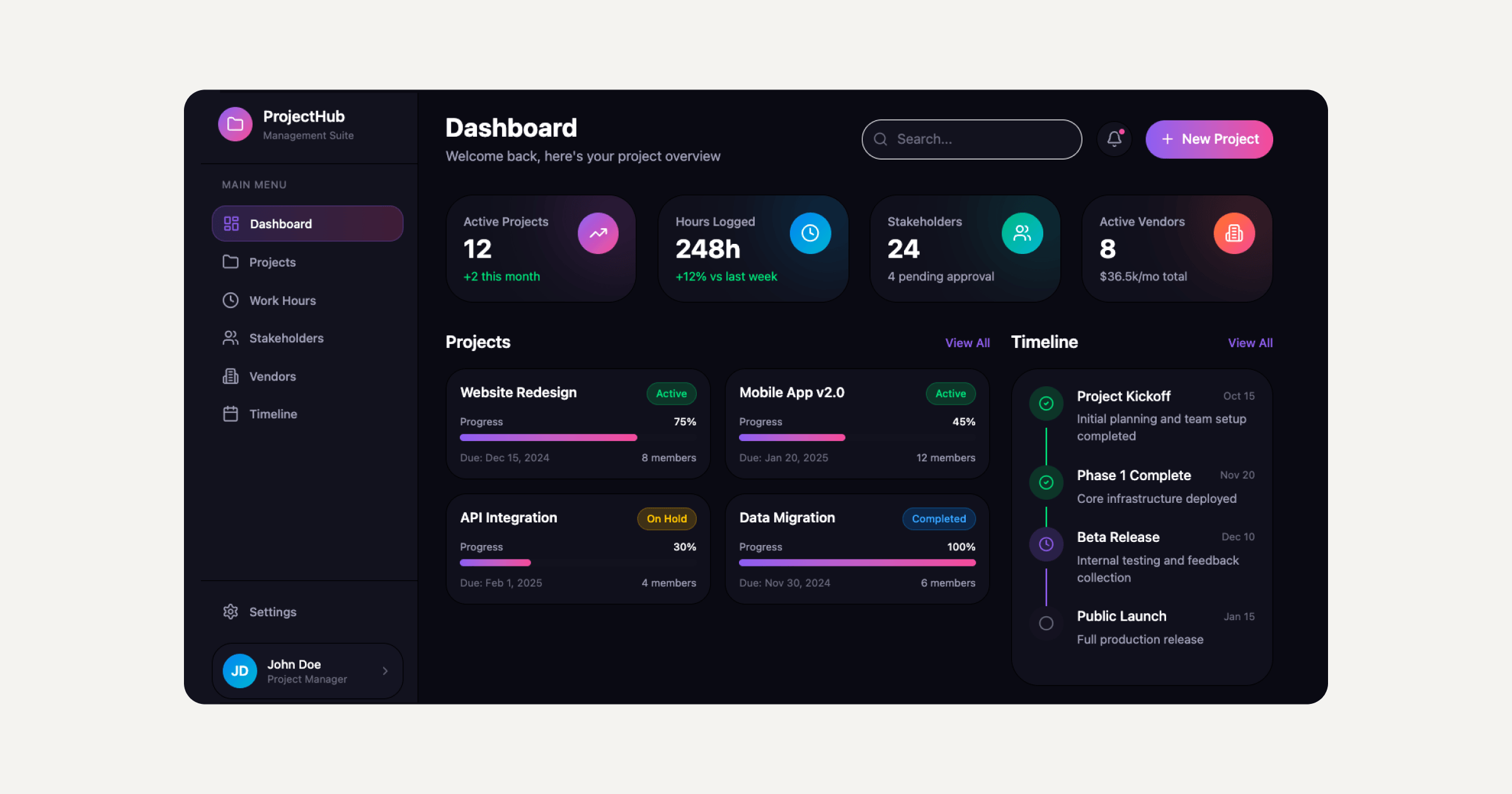
Sticklight is built by the Elementor team, so it sits alongside the visual, page-by-page control that Elementor and WordPress are known for, giving you another way to start a personal site depending on how hands-on you want the early build to be.
Frequently asked questions
How do I build a personal website?
Decide your goal, plan a few core pages, gather your content and photos, choose a design, connect a domain, then launch and keep it updated. Modern tools can generate much of the structure from a short description.
What should a personal website include?
Most personal sites include a home page, an about section, your work or portfolio, and a way to get in touch. You might add a blog, resume, or links to your profiles.
Do I need to code to build a personal website?
No. Many platforms and modern tools let you build a personal site with pages, galleries, and contact forms without code, while custom touches can benefit from developer help.
How much does a personal website cost?
Costs vary from just a domain and a builder plan to custom development. Many people start simple and add features over time. Check current pricing for any tools or services you choose.
How do I get my personal website found?
Use clear page titles, write helpful content, add your name and focus, and share the link on your profiles. A fast, mobile-friendly site also helps people and search engines find you.
Built by the Elementor team. Powered by Claude.
Let it glow.