
How to Build a Restaurant Website in 2026

Building a restaurant website in 2026 means starting with five core pages: home, menu, location and hours, reservations or ordering, and contact, then adding real photos and clear calls to action. Most restaurants can have a working site live within a day or two once the menu and photos are ready, whether built by hand or generated from a plain-language prompt on a platform made for this exact job.
The build itself follows a simple order: plan the pages and menu content, add hours and location details with photos, connect ordering or reservations, then link a domain and publish. Skipping basics such as mobile-friendly menus or accurate hours does more damage to a restaurant site than almost any design choice, so treat those steps as the foundation and layer style on top once they hold.
Plan your pages and menu first.
Start with a short list of the pages a diner actually needs: home, menu, hours and location, reservations or ordering, and contact. Write the menu in the same categories used on printed menus, with prices and any allergen notes, since guests decide whether to visit based on what they see first. Keep page count small so navigation stays simple on a phone.
Group menu items the way guests actually browse, starters, mains, desserts, and drinks, and avoid burying the reservation or ordering link below the fold. A site that mirrors the physical menu builds trust faster than one that reorganizes everything into unfamiliar categories for design’s sake alone.
- Home page with cuisine, neighborhood, and a clear call to action
- Menu page with categories, prices, and dietary notes
- Hours, location, and contact details
- Reservations or online ordering link
- About page with story and photos
Add hours, location, and photos.
Accurate hours and a clickable map matter more than almost any other detail, since incorrect hours send hungry guests to a closed door. Add a map embed or a clear address with directions, list phone number and hours for every day including holidays, and upload real photos of the dining room and dishes rather than stock images that could belong to any restaurant.
Set up online ordering or reservations.
Most guests expect to book a table or place an order without calling. Connect a reservations widget or a delivery and pickup ordering system depending on the restaurant’s service style, and make the button visible on every page, not buried in a menu. Test the full flow yourself, from picking a time slot to receiving a confirmation, before sending guests to it.
Connect your domain and launch.
Buy a domain that matches the restaurant name, point it at the hosting or platform the site is built on, and confirm a security certificate is active so the address shows as secure. Preview every page on a phone screen before going live, since most diners will find the site through a mobile search while deciding where to eat that night.
Consider redirecting any old website address to the new one and updating listings such as a Google Business Profile so search results and directions point to the same live pages, keeping the domain change from cutting off traffic that already knows the restaurant’s name.
Keep the site updated after launch.
A restaurant website needs occasional attention, not a rebuild. Update the menu when dishes or prices change, refresh hours around holidays, and swap in new photos each season so the site still reflects what guests will actually see at the table. A stale menu online is one of the fastest ways to lose a first-time visitor’s trust.
Where Sticklight fits
Sticklight is the vibe-coding platform by the Elementor team, and it turns a plain-language prompt into a production-ready website or app, including a restaurant site with a menu, online ordering, and reservations built in from the start. Instead of assembling pages one by one, a restaurant owner can describe the concept and get a working structure to refine.
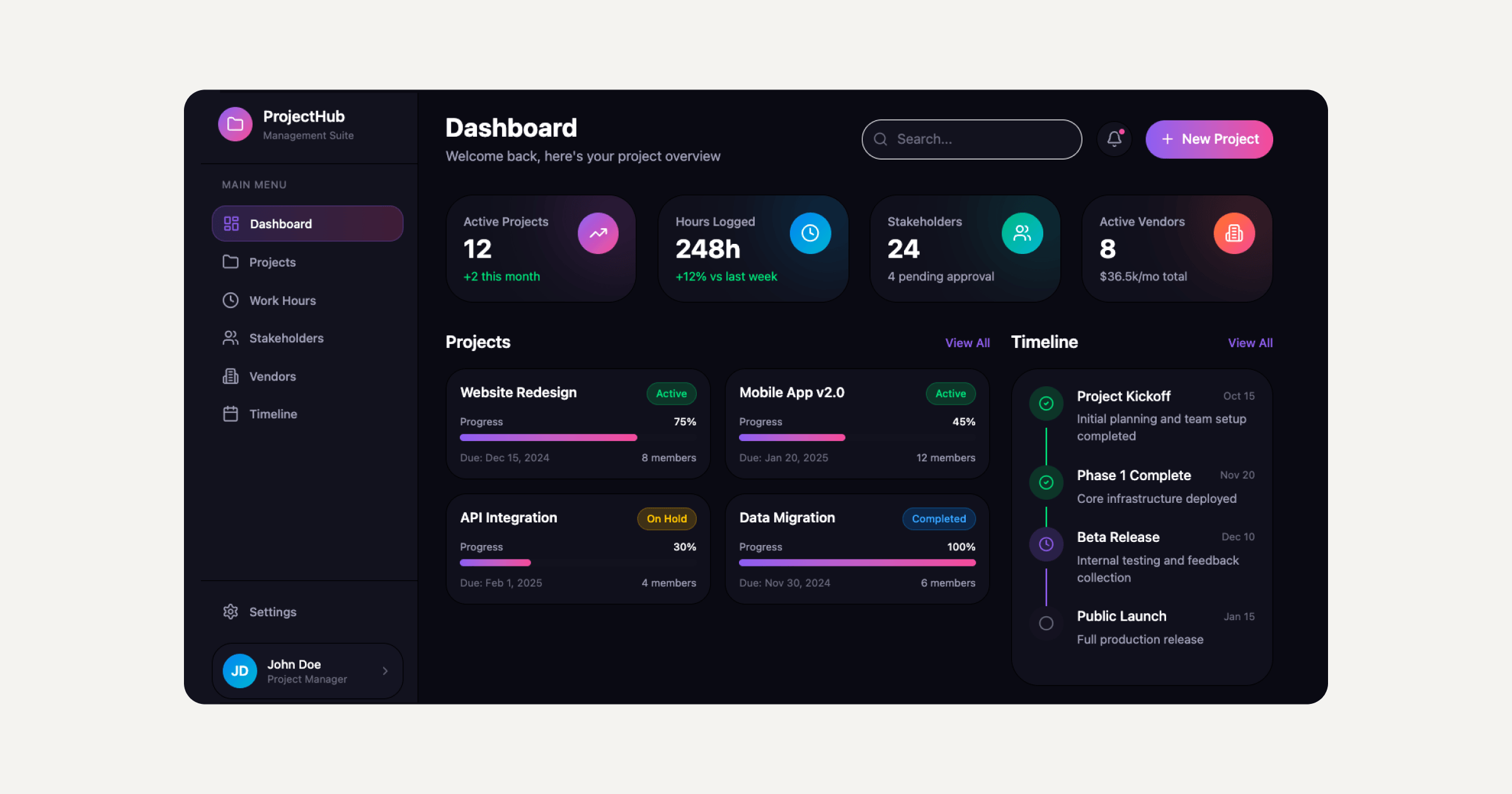
For teams already comfortable with Elementor or WordPress, Sticklight adds a faster path to a first working version without replacing that workflow, since the result can still be adjusted and managed like any other web project. It fits well for restaurants that want a working site fast and prefer to refine details from there.
Frequently asked questions
How do I build a restaurant website?
Plan your core pages, add your menu, hours, and location, include photos and contact details, then add online ordering or reservations if you need them, connect a domain, and launch. Modern tools can generate much of it from a short description.
What pages does a restaurant website need?
Most restaurant sites need a home page, a menu, hours and location, an about page, and a contact or reservations page. Online ordering, a gallery, and reviews are common additions.
Should a restaurant website have online ordering?
It depends on your model. Online ordering or delivery links help if you sell takeout, while a dine-in restaurant may only need reservations and a clear menu. You can add ordering later as needs change.
Do I need to code to build a restaurant website?
No. Many platforms and modern tools let you build a restaurant site with a menu, photos, and reservations without code, while custom features can benefit from developer help.
How do I keep my restaurant website up to date?
Update your menu and prices when they change, keep hours accurate for holidays, refresh photos periodically, and make sure contact and reservation details always work.
Built by the Elementor team. Powered by Claude.
Let it glow.
