
How to Build a Travel Platform in 2026

If you’re wondering how to build a travel platform in 2026, the short answer is this: start narrow, wire up real booking and payment data early, and launch a lean version before you add every feature you can imagine. A travel platform succeeds on trust and reliable transactions, not on how many bells and whistles it launches with.
Whether you’re picturing a flight search tool, a boutique stay marketplace, a tour booking site, or an itinerary planner, the fundamentals are the same. This article walks through what a travel platform actually needs, which features matter most, how to choose between no-code, low-code, and custom development, which integrations you can’t skip, and the practical steps to take from idea to launch.
What a travel platform is
A travel platform is any website or app that lets people search, compare, and book travel, whether that’s flights, hotels and short-term stays, guided tours, or full itineraries. Some act as marketplaces connecting independent suppliers to travelers, others sell a single company’s inventory directly. What they share is a search-to-booking flow that has to feel instant, accurate, and trustworthy at every step.
Core features to plan
Before you write a line of code or open a builder, map out the features your travel platform actually needs. Skipping this step is how projects balloon into six-month builds. At minimum, plan for these building blocks, since booking platforms live or die on how smoothly people move from search to confirmed reservation.
- Search and filters for dates, location, price, and amenities
- Listings with clear photos, pricing, and availability
- A booking flow with as few steps as possible
- Secure payment processing and receipts
- User accounts for saved trips and booking history
- Reviews and ratings to build trust
- Automated notifications for confirmations and changes
Choose your build approach
For a first version, no-code and low-code tools let you validate demand fast, since many now handle bookings, calendars, and payments out of the box. They work well for single-supplier sites or small marketplaces. Once you need custom pricing logic, multi-supplier inventory, or deep API connections, though, you’ll likely hit their ceiling and need custom development to keep growing without rebuilding from scratch.
A practical middle path is starting lean, proving the concept with real users, then investing in a custom build once you know which features actually drive bookings. That sequencing saves money and stops you from guessing what travelers want before you’ve watched them book anything.
Key integrations to plan for
Travel platforms depend on outside data more than most software. You’ll typically need a maps and geolocation service for search and directions, a payment provider that supports multiple currencies and refunds, and booking or supplier APIs that feed you live flight, stay, or tour inventory. Add transactional email for confirmations, receipts, and itinerary changes, since travelers check these constantly. Each integration should be tested for what happens when a supplier’s data is late or wrong.
Steps to build and launch
Start by picking one narrow travel niche and one region, rather than trying to cover every destination and travel type at once. Sketch the booking flow end to end before building anything, since that flow is what most users will judge you on. Then build or configure your core features, connect real payment and supplier data, and test the entire path from search to confirmation with actual bookings, not just sample data.
Launch with a small, real inventory rather than a padded catalog, since a handful of trustworthy listings beat hundreds of stale ones. Watch where users drop off during booking, fix that first, and only then start layering in extra features like personalized recommendations or loyalty perks.
I have learned more from the incidents that almost happened than from most of the ones that actually did.
Itamar Haim
Where Sticklight fits
Once you know the features and flow your travel platform needs, Sticklight is where that plan turns into something real. Describe the search page, the booking flow, or the supplier dashboard you have in mind, and Sticklight turns that prompt into a production-ready website, app, or dashboard, complete with the underlying logic behind it, not just a mockup. It’s built for exactly the kind of multi-step, data-connected product a travel platform is, and it helps you become a full-stack creator without hiring one.
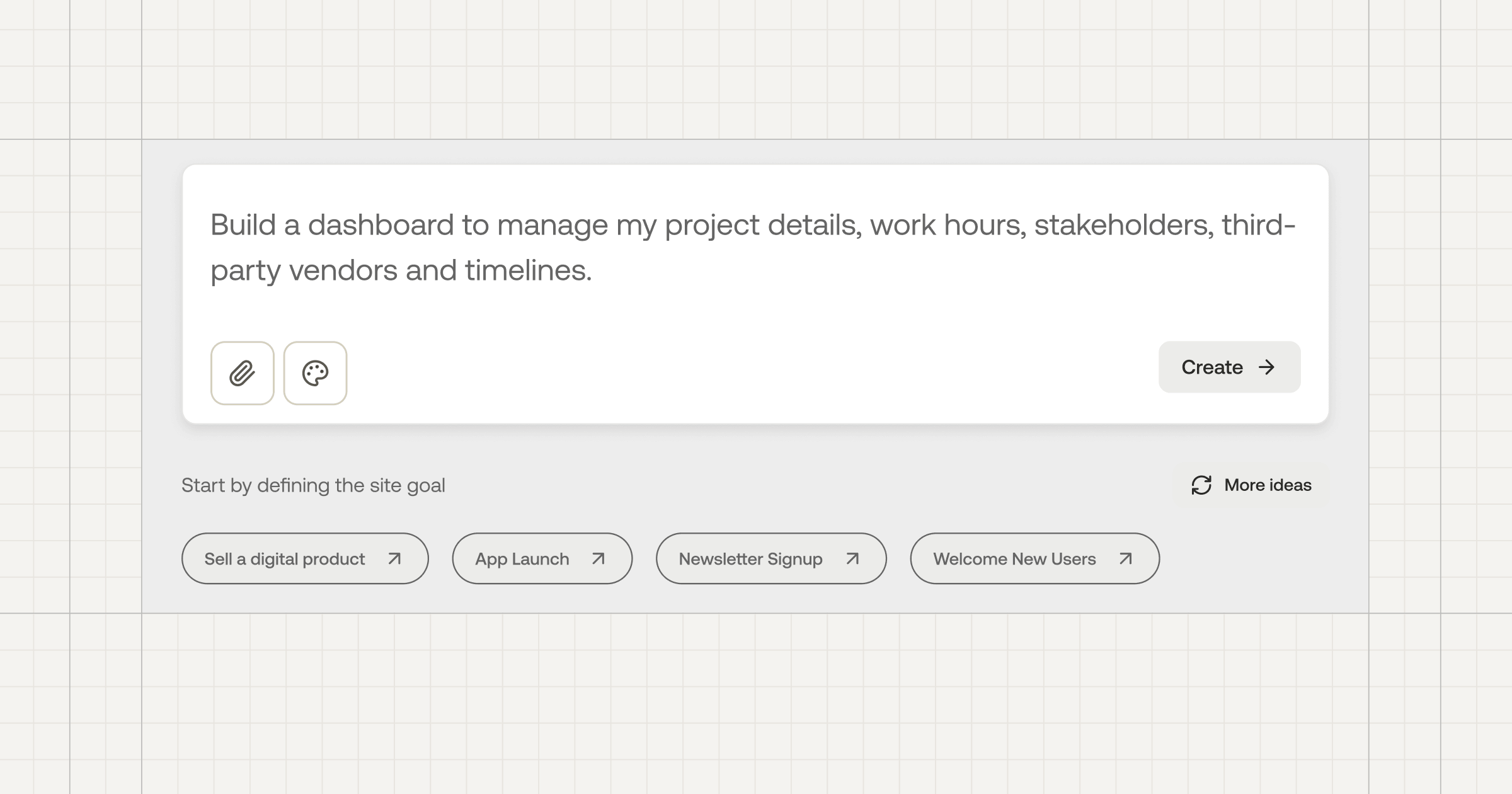
You don’t need a dev team to get moving, and you don’t need to abandon what you already have either. If your travel brand already runs on WordPress or Elementor, Sticklight can sit alongside it, handling the booking engine or supplier tool while your existing site keeps doing what it does well. Either way, it turns an idea into a working product without a long build queue.
Frequently asked questions
What is a travel platform?
A travel platform is a website or app where people search, compare, and book travel such as flights, stays, tours, or itineraries, usually with payments, reviews, and account management built in.
How long does it take to build a travel platform?
It depends on scope. A focused booking site can come together in weeks, while a full marketplace with many suppliers, payments, and mobile apps can take several months.
What features does a travel platform need?
Common essentials are search and filtering, listings, a booking flow, secure payments, user accounts, reviews, and notifications. Start with the core booking journey and add the rest over time.
Do I need to code to build a travel platform?
Not necessarily. Modern build tools can generate much of the site and app for you, though complex integrations with suppliers and payment providers may still need developer help.
How do travel platforms make money?
Common models include commissions on bookings, service or booking fees, subscriptions for suppliers, and advertising or featured listings.
Built by the Elementor team. Powered by Claude.
Let it glow.