
How to Build a Website in 2026

Building a website in 2026 comes down to six clear decisions: what the site is for, which platform runs it, where it lives online, how the pages are organized, what content fills them, and how you measure results after launch. Skip a step and you end up rebuilding later. Work through them in order and even a first-time builder can have a professional site live within days.
This guide is written for beginners, small teams, and professional web creators who want a fast, dependable path from idea to live site. It favors practical choices over jargon: pick a clear goal, choose tools that match your skill level and budget, and treat launch as the start of a cycle, not the finish line.
Define your goal
Before picking any tool, decide what the site needs to do: showcase a portfolio, sell products, generate leads, or share updates. That single answer determines how many pages you need, what content matters most, and which features are worth the effort. A clear goal also keeps design decisions simple, since every page and button should point back to it.
Choose your platform
Most sites today run on one of a few paths: a content management system paired with a visual page builder, a standalone drag-and-drop website builder, custom code for full control, or a prompt-based generative tool that builds a working site from a description. Each trades off speed, flexibility, and how much technical skill you need.
- Content management system plus a visual page builder
- Standalone drag-and-drop website builder
- Custom code for complete control
- Prompt-based generative tool that builds a site from a description
Match the option to your timeline and comfort with tools. Beginners and small teams often start with a builder or a generative tool to move fast, then add more structure as the site grows. Professional creators tend to favor systems that scale with client work and support custom design without starting from zero each time.
Get a domain and hosting
Register a domain name that is short, easy to spell, and close to your brand. Pair it with hosting that matches your platform, shared hosting for simple sites, managed hosting for content-heavy ones, or built-in hosting if your platform includes it. Add an SSL certificate from the start so the site loads securely and search engines trust it.
Plan and design your pages
Sketch a simple sitemap before designing anything: a home page, an about page, a page for your products or services, and a contact page cover most needs. Keep navigation to a handful of clear labels so visitors always know where they are and how to get back.
Design for mobile first, since most visitors will arrive on a phone. Use consistent colors, fonts, and spacing across every page, leave room to breathe with whitespace, and make the next step, whether that is a purchase, a form, or a call, obvious on every screen.
Add content
Write copy that answers the visitor’s question in the first few lines, then back it up with details further down. Use descriptive image alt text, clear headings, and short paragraphs that are easy to scan. Give every page a working title and a short meta description, since both help search engines and readers understand what the page offers.
Launch and measure
Before you launch, check every link, test forms end to end, confirm the site looks right on a few screen sizes, and check that pages load quickly. A short checklist here saves far more time than fixing issues after visitors have already arrived and started clicking around.
Once the site is live, connect analytics and a search console tool so you can see which pages get visits and which searches bring people in. Review that data monthly, update pages that underperform, and treat the site as an ongoing project rather than a one-time task.
Where Sticklight fits
Sticklight is a vibe-coding platform by the Elementor team that turns a prompt into a production-ready website, so you can go from idea to live site fast. For the goal-setting and launch steps above, that means less time assembling pages by hand and more time refining what the site says and how it looks.
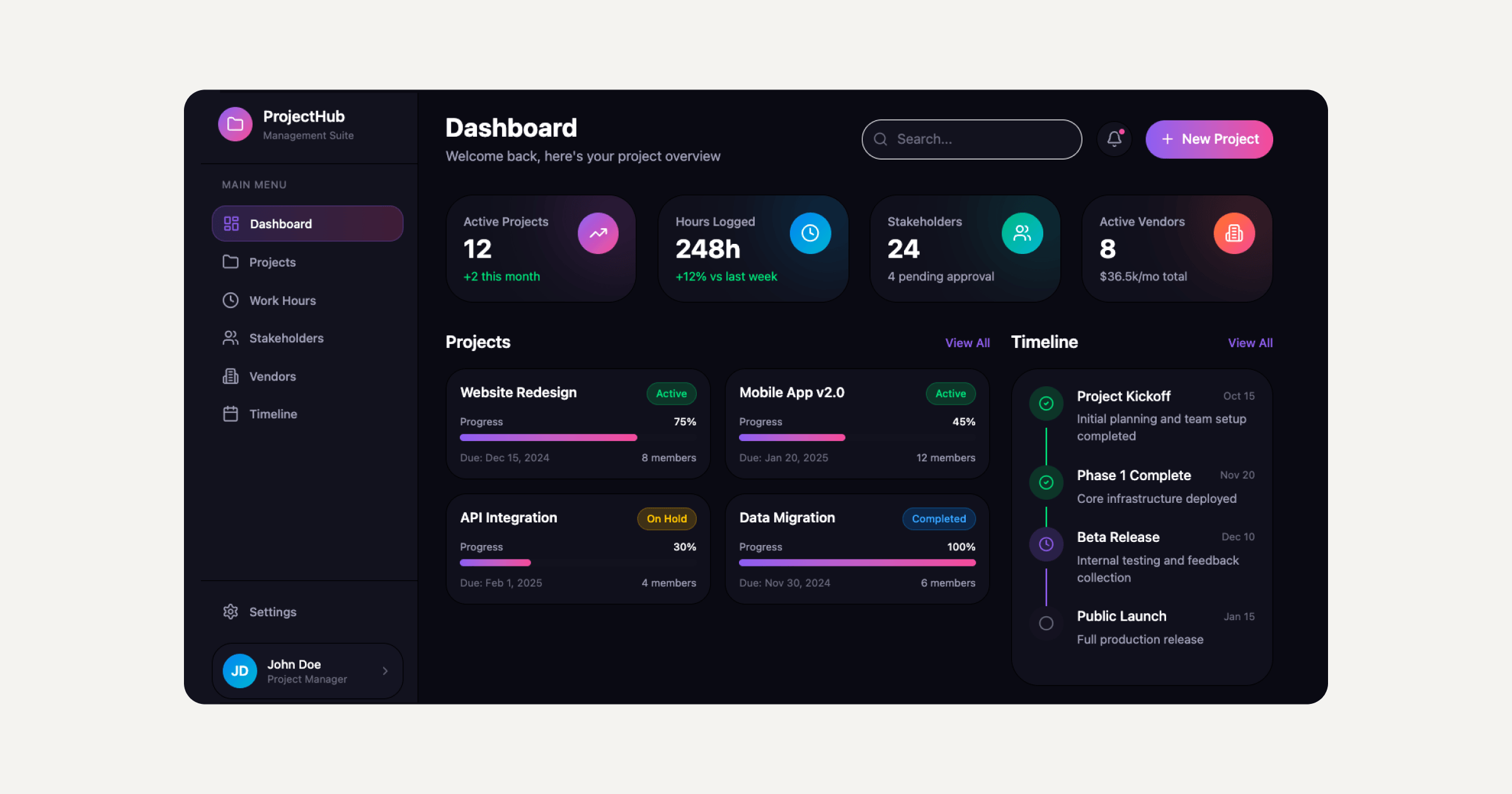
It sits alongside the wider Elementor and WordPress ecosystem rather than replacing it, so a site that starts as a fast prompt-built draft can grow into a fully customized build with the same tools professional creators already rely on. That makes it a strong starting point for beginners and a quick way for small teams to test an idea before investing more time.
Frequently asked questions
How do I build a website?
Decide your goal, choose a platform, register a domain, plan your pages, design the site, add your content, then publish and connect analytics. Modern tools can generate much of the site from a short description.
How much does it cost to build a website?
You can start for very little with a hosted builder, or pay more for a custom build. Budget for a domain, hosting, and any premium themes, plugins, or design help.
Do I need to code to build a website?
No. Most website builders and modern tools let you build and publish without code, while custom features can benefit from developer help.
What is the best platform to build a website?
It depends on your goal, from hosted builders to a CMS like WordPress and modern app builders. Match the platform to your needs for control, flexibility, and scale.
How long does it take to build a website?
A simple site can go live in a day, while a larger custom site can take weeks. Clear goals and ready content speed things up.
Built by the Elementor team. Powered by Claude.
Let it glow.
