
How to build an app and make money in 2026

To build an app and make money in 2026, you need five things in order: a problem people already want solved, a focused first version shipped fast, a monetization flow built in from day one, a launch that reaches real users, and a habit of measuring what happens next. None of this requires a computer science degree or a large budget. With a platform like Sticklight, you can prompt your way to a working app, refine it by hand on the canvas, and connect it to the WordPress or Elementor site you already run.
This is a realistic path, not a shortcut. Building something people pay for still takes real validation, a real build, and real attention after launch. What has changed is how much technical work you can hand off, so your time goes toward the problem and the people who have it.
- Start with a problem people already spend money or time trying to solve, and confirm that before you build anything.
- Prompt a focused first version with Sticklight, then refine the details by hand on the canvas.
- Choose one monetization model, subscription, one-time purchase, or membership, and design the flow it needs.
- Launch next to your existing WordPress or Elementor site instead of starting your audience from zero.
- Treat your first launch as a starting point. Measure usage, listen to users, and iterate.
- Sticklight is built by the Elementor team and powered by Claude, with Skills that package expertise like SEO, accessibility, and performance.
Step 1: Pick a problem people will pay to solve
Every app that makes money starts as a problem someone already feels. Before you write a single prompt, get specific about who has the problem, how they handle it today, and what it costs them to work around it. If people already pay for a clunky spreadsheet or an existing tool that only partly solves the problem, that is a signal worth attention.
Validation does not need to be complicated. Talk to five or ten people who match your target user. Ask what they currently do instead of the thing you want to build, and whether they have ever paid for something like it.
- Signs of a validated idea: people already pay for a worse version, or built their own workaround.
- Signs to slow down: everyone calls it a “nice to have” but nobody recalls searching for a solution.
- A quick test: write the pitch as one sentence and see if a stranger understands the value without follow-up questions.
Once you have a problem you believe in, write down the smallest version of the solution that would still be useful on its own. That smallest version is what you build next.
Step 2: Build an app you can start making money from
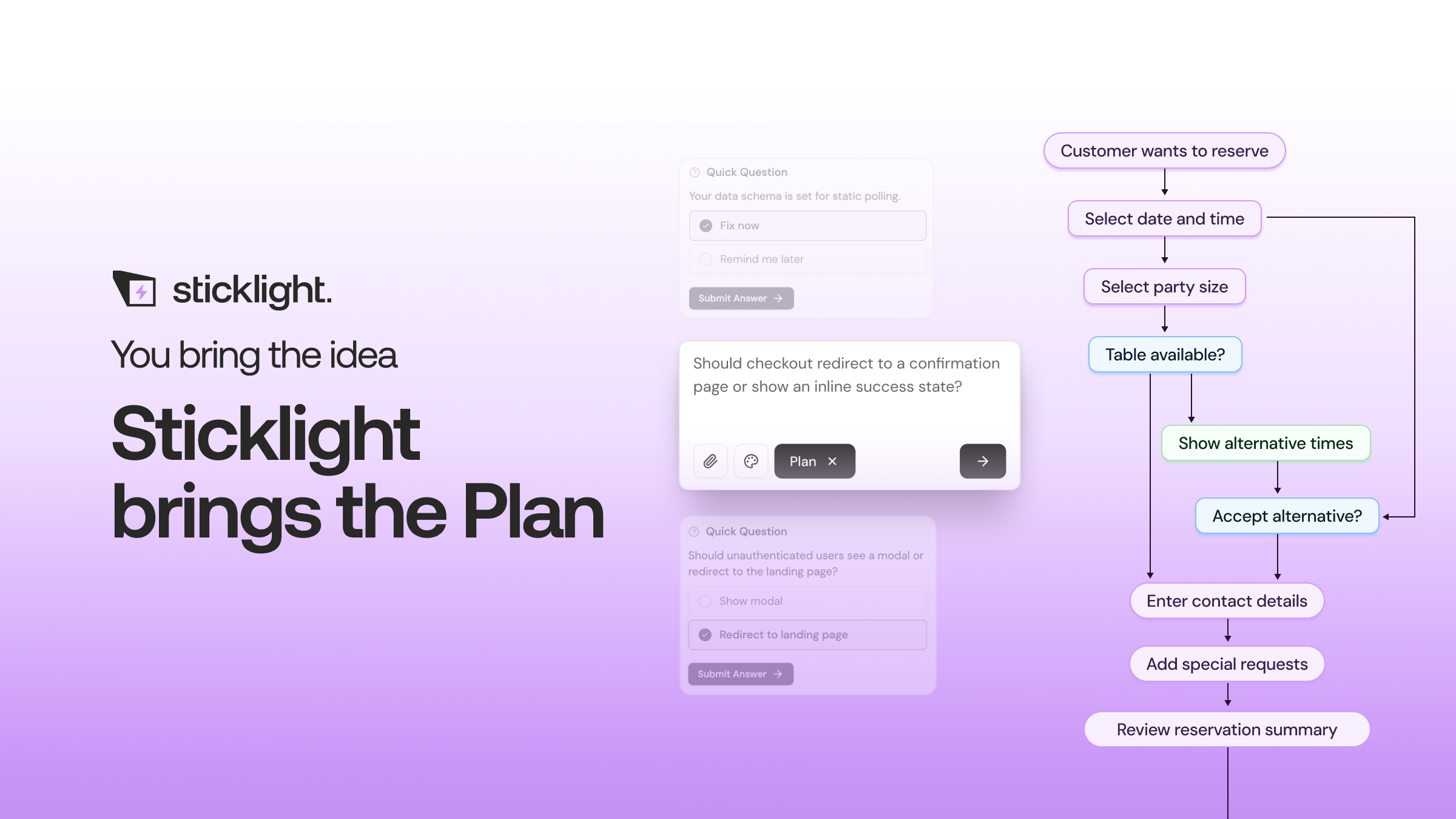
With a validated problem in hand, the next step is a working first version, not a polished final product. Sticklight follows a Prompt, Build, Publish flow: describe what you want in plain language, and the platform turns that prompt into a production-ready app, not a demo.
Start with the core flow your users need most. A booking tool needs a calendar and a confirmation step before it needs a loyalty program. Prompt that core flow first, then use Sticklight’s canvas to refine details by hand: adjust layout, tighten copy, and fix small things a prompt alone will not get exactly right.
Sticklight’s Skills step in at this stage. A Skill is packaged expertise you add to any prompt with one click during the build. Nine are live today, including Accessibility, SEO, Performance, Design System, Copywriting, Localization, Micro-interactions, Onboarding, and a 3D web experience Skill built on Three.js. Add the Accessibility Skill and your app ships with proper markup and focus states, no separate WCAG research required. Agents, which would handle more of the build on their own, are coming soon and not available yet.
You also keep direct code editing on the canvas, so a developer on your team can adjust something precisely if needed. AI does the heavy lifting first. You keep control of every pixel after.
Step 3: Design the monetization flow, not just the feature
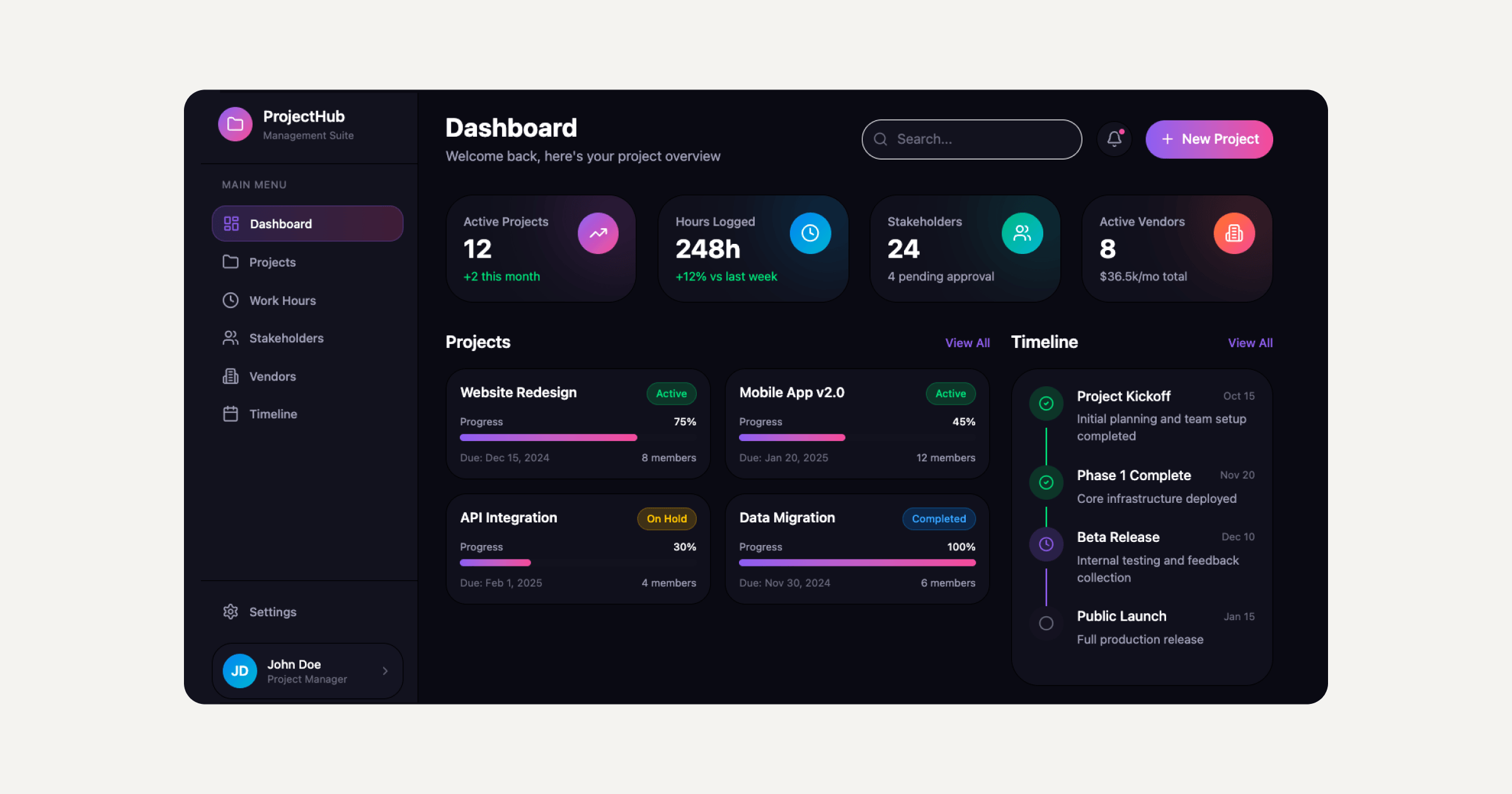
Money does not show up because an app exists. It shows up because the app has a clear, working path from wanting the thing to paying for it. Decide which monetization model fits your problem before you build the flow it requires.
- Subscriptions fit ongoing value, like a dashboard checked weekly. Needs recurring billing, an account state that tracks active versus lapsed users, and a clear upgrade or downgrade path.
- One-time purchases fit a tool that solves a problem once, like a template pack or report generator. Needs a straightforward checkout and a way to grant access right after payment.
- Memberships fit community or content products, like a course portal or resource library. Needs gated content, user roles, and a way to manage who has access to what.
Whichever model you choose, map the flow before you build it: sign-up, payment, access granted, and what happens if a user cancels or a payment fails. A form, a database for user and access records, and a booking piece for time slots are common building blocks. Prompt these into Sticklight the same way you prompted the core app.
We are intentionally not naming income numbers here, since a fair answer depends on your problem and your audience. What is true across every model is that the flow has to feel as solid as the rest of the product. A confusing checkout undoes good validation work fast.
Step 4: Launch and connect it to what you already have
A finished app with no visitors does not make money. Sticklight runs a security scan on every build and includes SEO basics out of the box, so the foundation is in place without extra setup. From there, connect a custom domain and turn on app hosting so the product is live and reachable.
You do not need to build an audience from nothing. If you already run a WordPress or Elementor site, that site is a source of truth you can build on and connect to, not something to leave behind. Link your new app from your existing pages and point existing traffic toward it.
For your first users, be specific about who you ask. Reach out to the people you talked to during validation in step one. They already told you the problem is real, so they are the most likely to try a first version and tell you what is missing.
The goal of launch week is not a big number. It is a handful of real users doing the thing your app is meant to help with, and telling you what got in their way.
Step 5: Measure, listen, and keep building
Launch is the start of the useful data, not the end of the project. Watch how people use the app: where they drop off, which features they return to, and whether they complete the payment flow from step three. Usage patterns tell you more than opinions do.
Pair that data with direct feedback. Ask early users what confused them and what they wished the app did. Small friction points, an unclear button, a step that takes too long, often matter more to revenue than a missing feature. Use the Copywriting Skill for onboarding text, or the Performance Skill for slow load times.
As you grow, revisit the questions from step one. Is the problem getting bigger or smaller for your users? Sticklight supports going beyond a single app as a full-stack creator, so a dashboard or member portal can sit on the same platform, benefiting from the Skills already set up.
Growth from here is a loop: build, launch, measure, adjust, build again. Every round gets faster once the groundwork is in place.
Half of what feels complicated on paper turns out simple once your hands are actually on the keyboard doing the work.
Itamar Haim
Built by the Elementor team. Powered by Claude.
Let it glow.
