How to Build an Ecommerce Website in 2026

Building an ecommerce website in 2026 comes down to five things done in the right order: a clear product and brand, a platform that fits your skills and budget, the core commerce features (listings, cart, checkout, payments, shipping, tax), a disciplined launch checklist, and a design tuned for conversions rather than decoration. Get those five right, in that order, and you end up with a store that actually sells instead of one that just looks finished.
The hard part of learning how to build an ecommerce website is rarely any single step, it’s the sequence and the decisions you make too early or too late, like picking a platform before you know your catalog size, or obsessing over design before checkout even works. This article walks through what to prepare before you start, how to choose between a hosted platform, open source software, or a modern app builder, which features your store genuinely needs, the steps to build and launch, how to design pages that turn visitors into buyers, and where a tool like Sticklight fits into the picture.
What you need before you start
Before you touch any tool, nail down three things: your product line, even a rough first catalog with names, prices, and a few photos; your brand basics, meaning a name, logo, colors, and a one-line positioning statement you could say out loud; and a domain name that matches how customers will actually search for you. Skipping this step is the most common reason ecommerce projects stall halfway through setup, with founders rebuilding pages instead of filling them with real products.
Choose your ecommerce approach
Once the basics are set, you generally have three paths for how to build your ecommerce website. Hosted platforms handle servers, security, and updates for you in exchange for less low-level control. Open source software gives you full control over code and hosting but asks more of your time and technical comfort. Modern app builders let you describe your store in plain language and get a working, deployable site back, which suits founders who want speed without becoming developers overnight.
- Hosted platforms: fastest to launch, less deep customization
- Open source: most control, more setup and ongoing maintenance
- App builders: describe what you want, get a working store back fast
Core features to set up
Every real ecommerce site needs the same working parts, regardless of which platform you land on: product listings with clear photos and honest descriptions, a cart that persists across sessions and devices, a checkout with as few steps as humanly possible, secure payment processing, shipping and tax rules that match where you actually sell, and customer accounts for order history and easy repeat purchases. Treat these six as non-negotiable before you spend a single hour on anything decorative.
Steps to build and launch your store
Once your approach is chosen, the build itself follows a fairly predictable order: register your domain and set up hosting, add your product catalog with real photos and accurate pricing, configure cart and checkout, connect a payment processor, set shipping and tax rules for the regions you serve, and test the full purchase flow yourself from browsing to confirmation email. Then invite a handful of trusted people to test before you open to the public, launch quietly, watch your first orders closely, and fix friction the moment you spot it rather than waiting for a bigger redesign later.
Design and optimize for conversions
Good ecommerce design is less about looking impressive and more about removing doubt at every step of the buying journey. Use clear product photography, honest descriptions, visible shipping and return policies, and a checkout that never surprises the buyer with new costs at the last screen. Fast page loads and mobile-friendly layouts matter as much as visual polish now, since most shopping traffic arrives on a phone rather than a desktop, and every extra second of load time quietly costs you sales.
A prototype earns forgiveness that a live product never gets, so it pays to treat every shortcut you take as a debt that collects interest.
Itamar Haim
Where Sticklight fits
Sticklight is built for exactly this moment, when you know what your store needs to do but don’t want to spend weeks wiring platforms together. Describe your store in plain language, from product catalog to checkout flow, and Sticklight turns that prompt into a production-ready storefront, app, or tool, helping you go from idea to full-stack creator without writing the plumbing yourself.
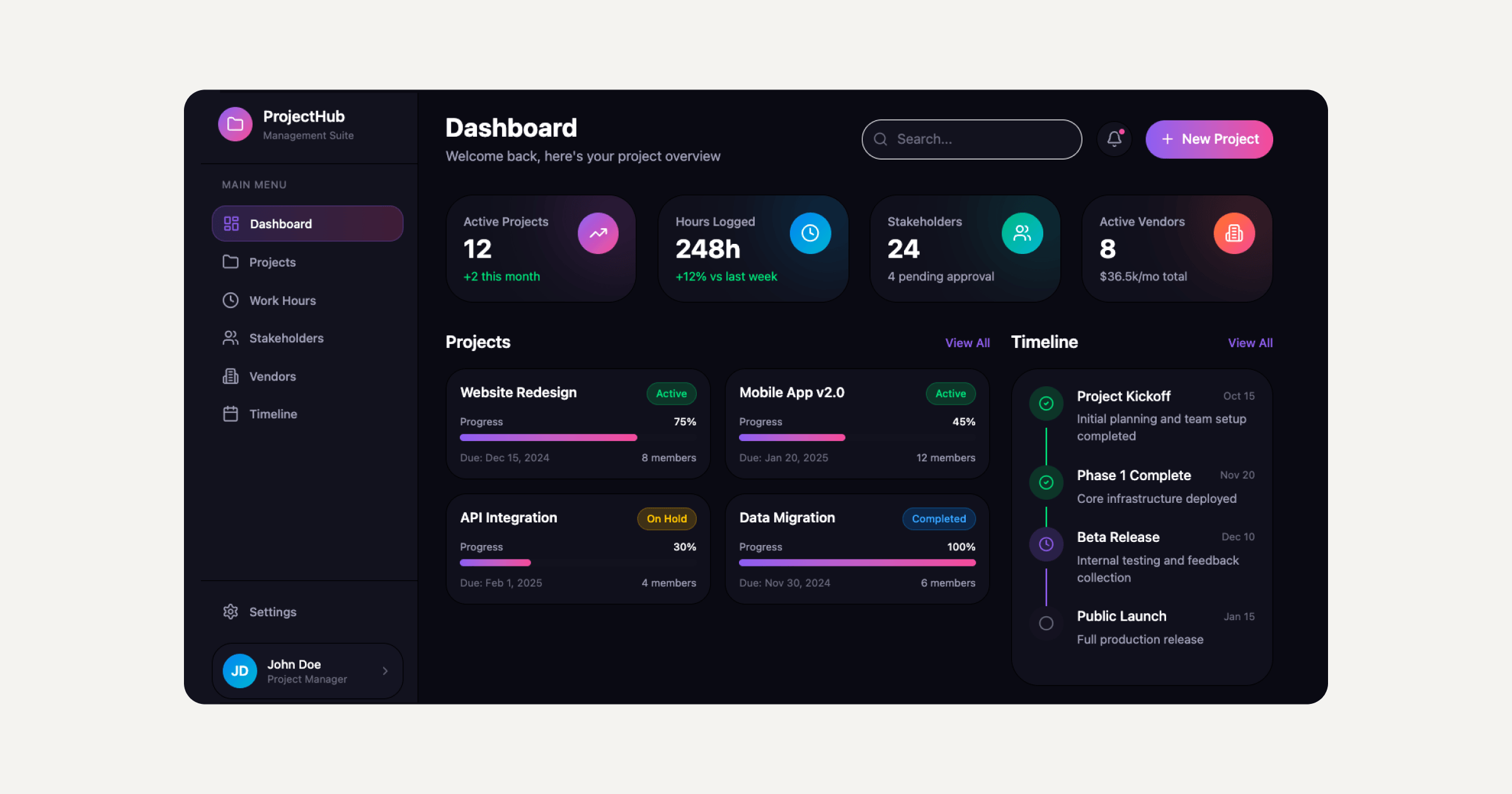
If you already run a WordPress or Elementor site, Sticklight fits alongside it rather than replacing it, letting you spin up a new storefront, checkout experience, or customer tool without disturbing the site you’ve already built. It’s a way to add what’s missing, not start over.
Frequently asked questions
How do I build an ecommerce website?
Choose a platform, add your products, set up payments and shipping, design your storefront, and connect a domain. Modern tools can generate much of the store for you, so you can launch quickly.
How much does it cost to build an ecommerce website?
It ranges widely, from very little with a hosted platform to more for a custom build. Budget for the platform, payment fees, a domain, and any apps or design help you need.
Do I need to code to build an online store?
No. Most ecommerce platforms and modern build tools let you create a full store without code, though custom features can benefit from developer help.
What features does an ecommerce website need?
Product listings, a cart and checkout, secure payments, shipping and tax settings, accounts, and order management. Add reviews, search, and marketing tools as you grow.
What is the best platform to build an ecommerce website?
It depends on your needs, from hosted store builders to open-source platforms and modern app builders. Match the platform to your catalog size, budget, and how much control you want.
Built by the Elementor team. Powered by Claude.
Let it glow.