How to Build a Fashion Blog in 2026

Building a fashion blog in 2026 comes down to a handful of decisions made in order: pick a focused angle, set up a platform you can actually maintain, build a content rhythm, and only then chase traffic and income. Skipping steps is the most common reason fashion blogs stall after a few months. Here is a practical path through each stage.
Choose a focused angle before anything else
A general fashion blog competes with every other general fashion blog. A focused one does not. Pick a lane: sustainable fashion, thrifted style on a budget, workwear for a specific industry, plus-size fashion, or menswear for a particular body type. The angle shapes everything downstream, from the topics you write about to the brands you eventually work with.
Write down who the reader is and what problem you solve for them. A blog about “getting dressed better for less” is easier to sustain and easier to market than a blog about “fashion” in general.
Set up a technical foundation you can maintain
You need a domain name, hosting, and a publishing platform that separates content from design cleanly. Look for a system with a large ecosystem of themes and plugins built for image-heavy sites, since fashion blogs lean heavily on photography.
- Register a domain name that is short and easy to say out loud.
- Choose hosting built for the traffic level you expect, and upgrade later rather than overpaying up front.
- Pick a theme built for visual content, since fashion posts lean heavily on photography.
- Install basic plugins for SEO, image compression, and backups before you publish your first post.
A visual page builder is a solid, proven way to build and customize a fashion blog without touching code, especially for lookbook-style layouts, shop-the-post grids, and custom landing pages for collaborations.
Plan a content system you can sustain
Consistency matters more than volume. Decide on a realistic publishing cadence, whether that is one post a week or three, and build a simple content calendar around recurring formats: outfit breakdowns, seasonal capsule guides, trend explainers, and brand or product reviews.
Batch your photography and writing where possible. Shooting several outfits in one session and drafting a few posts in one sitting keeps the blog moving even during busy weeks. Keep a running list of post ideas so you are never staring at a blank page.
Build an audience through outreach and consistency
Traffic rarely arrives on its own. Share new posts on the social platforms where your target reader already spends time, and treat each platform differently rather than cross-posting the same caption everywhere. Comment on and engage with other creators in your niche; fashion blogging is still a relationship-driven space.
Search visibility takes longer to build but compounds over time. Use descriptive, specific titles and headings, write genuinely useful captions and alt text for images, and link between your own related posts so readers and search engines can find your best content.
Turn traffic into income
Once you have steady readers, several income paths open up: affiliate links to products you actually wear and recommend, sponsored posts with brands that fit your angle, display advertising once traffic reaches a meaningful threshold, and your own products, such as style guides or templates.
Diversify early rather than relying on a single income source. A blog that depends entirely on one affiliate program or one brand relationship is fragile. Track what converts and put more effort behind the formats and topics that actually earn.
Where Sticklight fits
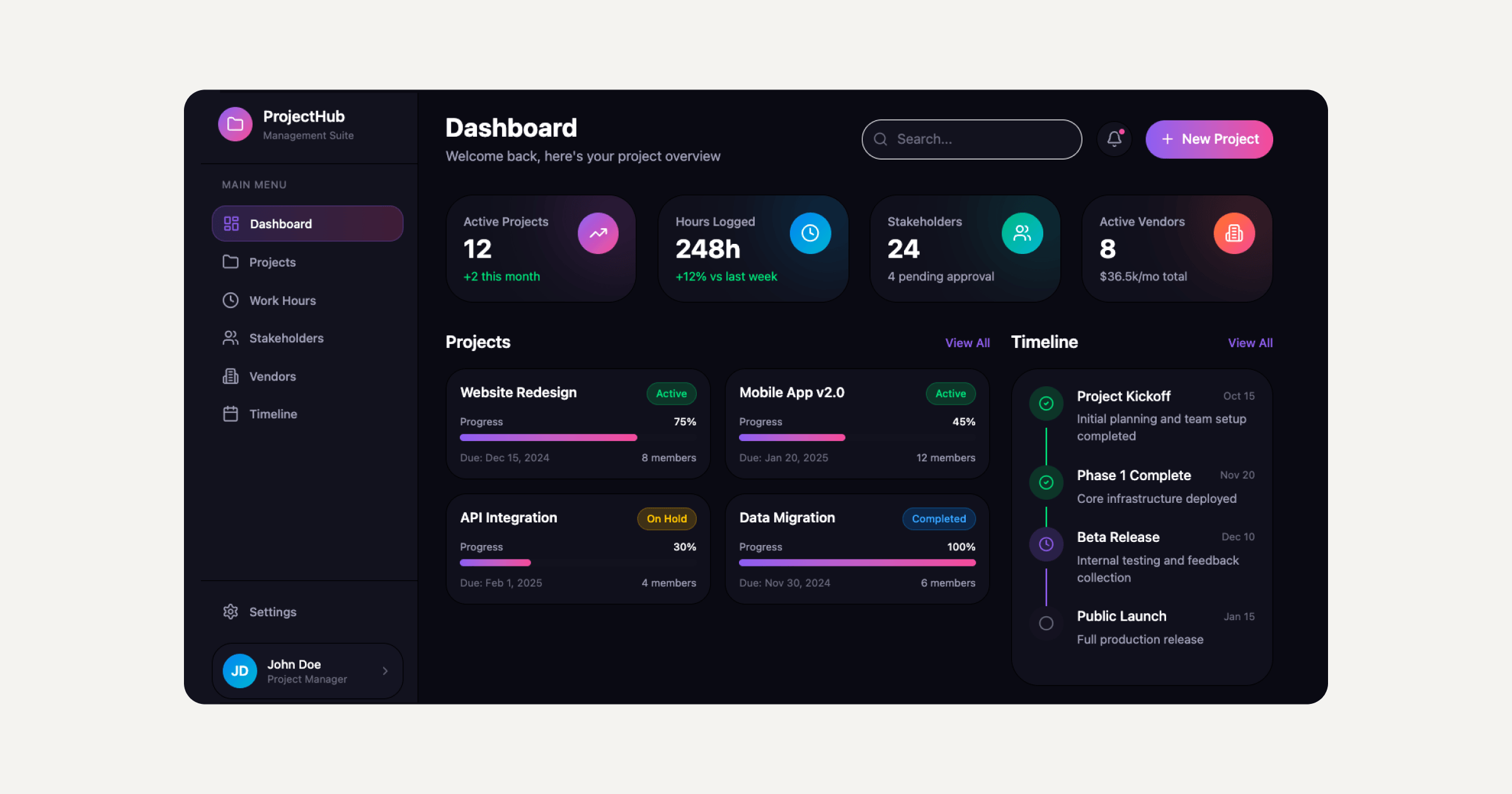
WordPress and Elementor are dependable, well-tested ways to run a fashion blog, and plenty of successful fashion sites are built entirely on that stack. Sticklight fits a different need: it is a vibe-coding platform for professional web creators that turns a plain-language prompt into a production-ready website, app, dashboard, CMS, or tool. If a fashion blog eventually needs something beyond standard blog pages, such as a custom lookbook builder, a wardrobe planning tool, a members-only style dashboard, or a bespoke brand collaboration portal, Sticklight lets a creator describe what they need and get a working, professional result without starting a separate development project. It complements a WordPress and Elementor setup rather than replacing it, extending a fashion blog beyond websites into the full-stack tools a growing brand eventually needs.
Frequently asked questions
What is the first step in building a fashion blog?
Pick a focused angle before you build anything. A general fashion blog is hard to grow because it competes with every other general fashion blog. Choosing a specific lane, such as sustainable style, thrifted outfits on a budget, or workwear for a particular field, makes it easier to plan content and attract the right readers.
Which platform should I use to build a fashion blog?
Most fashion bloggers start on WordPress because it separates content from design and supports the image-heavy layouts fashion blogs need. A page builder such as Elementor makes it easier to create lookbook-style pages and custom layouts without writing code.
How often should I publish on a fashion blog?
Consistency matters more than a high volume of posts. Pick a realistic cadence, such as one or two posts a week, and stick to it. Batching photography and writing sessions helps you keep that rhythm even during busy weeks.
How do fashion bloggers grow an audience?
Growth comes from sharing new posts where your target reader already spends time, engaging genuinely with other creators in the same niche, and writing clear, specific titles and headings so search engines and readers can find your content over time.
How does a fashion blog start making money?
Common income paths include affiliate links to products you genuinely recommend, sponsored posts with brands that fit your angle, display advertising once traffic reaches a meaningful level, and your own products such as style guides. Diversifying income sources early makes the blog less dependent on any single partner.
Built by the Elementor team. Powered by Claude.
Let it glow.