
How to Build a Recipe Website in 2026

Building a recipe website in 2026 comes down to five practical decisions: how you structure each recipe, what platform you publish on, how the pages work on a phone propped up in a kitchen, how visitors search and filter your archive, and how consistently you publish over time. None of this requires a large team. A single home cook with a notebook full of recipes can get a working site live in a weekend and improve it from there.
The steps below are loose on purpose. Follow them in order, but adjust each one to match how you actually cook and how you want readers to use your site.
Start with a repeatable recipe format
Before you touch a website builder, write down the fields every recipe will use. Consistency here saves hours later, because you will not be redesigning each post from scratch.
- Recipe title and a one-sentence description
- Prep time, cook time, and total time
- Servings or yield, with notes on how to scale
- Ingredient list, grouped by component if the recipe has more than one part
- Numbered steps, written in plain, short sentences
- Storage, substitution, or dietary notes
Draft two or three recipes in this format before you build anything. It is much easier to design pages around real content than to guess at a layout first.
Choose a platform that matches how you publish
Some cooks publish a handful of recipes a year and want a simple, low-maintenance setup. Others plan to post weekly and need faster tools for adding, editing, and tagging recipes without repeating the same manual steps every time. Be honest about which one you are before you pick a platform, since that choice shapes how much friction you deal with later.
Whatever you choose, look for a few practical things: a way to reuse a recipe template so new posts start structured, straightforward category and tag management, and an editing flow that does not require rebuilding the page layout every time you add a dish.
Design for the kitchen, not the desk
Most recipe traffic happens on a phone, often with flour on the screen and a pot on the stove. Keep the ingredient list and steps visible without much scrolling, use a font size that is easy to read at arm’s length, and give tap targets enough space so a finger does not miss the mark.
A jump-to-recipe option near the top of the page is worth including for readers who want the instructions immediately rather than the story first. It costs little to add and it respects the reader’s time.
Make recipes easy to find and filter
As your archive grows past a few dozen recipes, browsing by scrolling stops working. Build categories around how people actually search: meal type, main ingredient, cook time, dietary need, and season are common starting points.
A working search box matters more than a clever one. Readers usually know what they typed into Google to find you, so make sure that same phrase reliably surfaces the right recipe on your own site too.
Publish consistently and write for search
Search engines and readers both reward clarity. Use descriptive, specific titles rather than clever ones, put the ingredient list and core instructions near the top of the page, and avoid duplicating near-identical recipes across multiple posts.
A steady publishing rhythm, even a modest one, tends to matter more than occasional bursts of activity. Two well-structured recipes a month, published consistently, generally build an archive faster than a flurry of posts followed by a long gap.
Where Sticklight fits
Sticklight is a vibe-coding platform built for professional web creators. You describe what you want in plain language, and it turns that prompt into a production-ready result, not just a webpage but apps, dashboards, content systems, and internal tools as well. For a recipe project, that means you can move past a single site and build the tools around it: a recipe database, a meal-planning dashboard, or a submission tool for community recipes, all from the same kind of prompt-driven workflow.
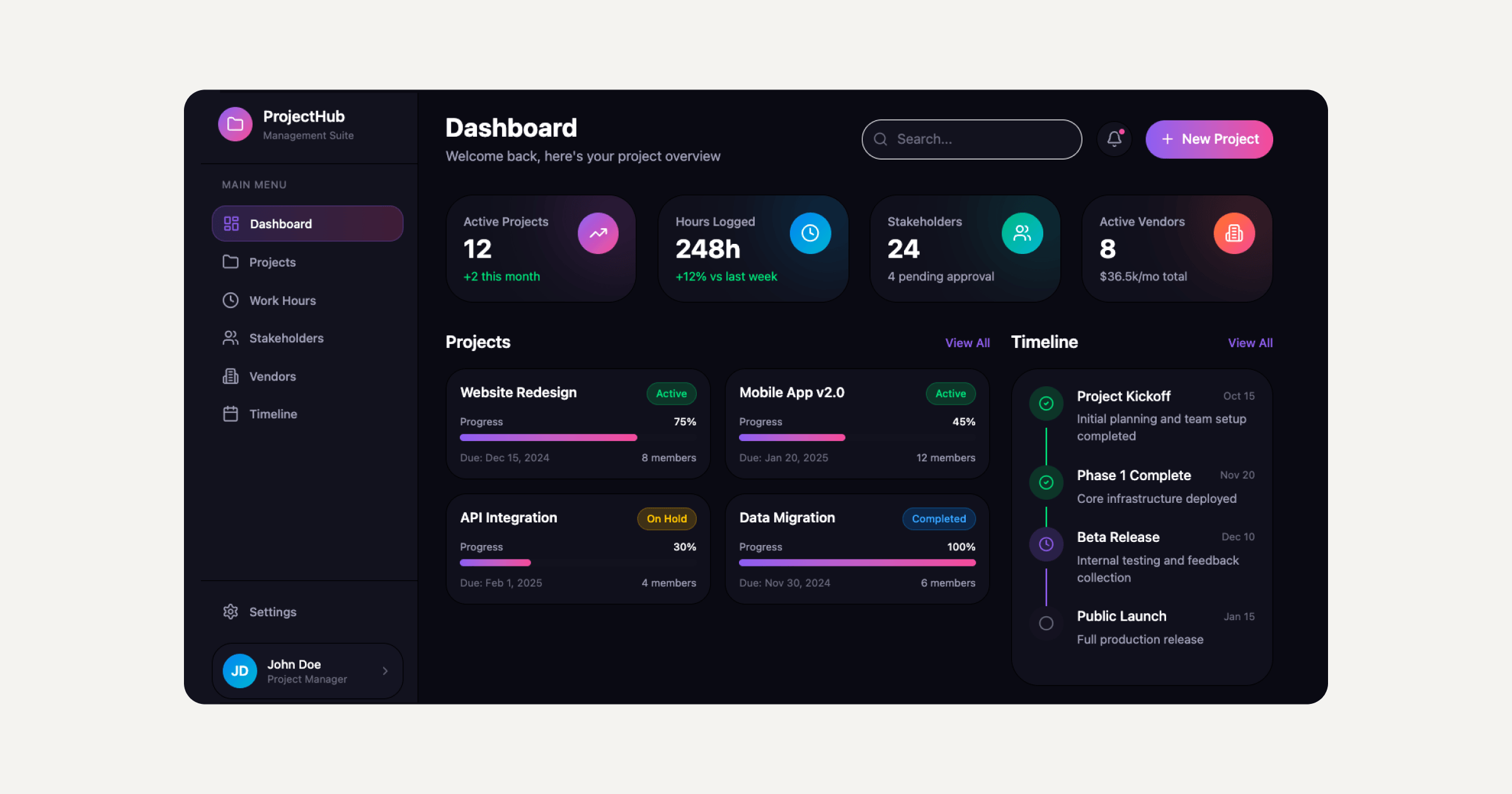
WordPress and Elementor remain solid, proven ways to build and extend a recipe website, especially once you already have content and workflows built around them. Sticklight complements that path rather than replacing it, giving creators a way to go beyond a single website and build the fuller set of tools a growing food site eventually needs.
Frequently asked questions
Do I need coding skills to build a recipe website in 2026?
No. Most recipe websites today are built with visual editors or prompt-based tools, so you can set up pages, categories, and templates without writing code, though basic comfort with settings and menus still helps.
What information should every recipe page include?
At minimum, include a short description, prep and cook time, servings, a full ingredient list, and numbered steps. Storage tips and substitution notes are optional but make the page more useful.
How many recipes do I need before the site feels complete?
There is no fixed number. A focused site with twenty to thirty well-structured recipes in a clear niche often reads as more complete than a large archive with inconsistent formatting.
Should I add a jump-to-recipe link on every post?
It is a reasonable default for most recipe sites, since many readers want the ingredients and steps right away, but you can decide case by case if the story content is short enough that scrolling past it is not a burden.
How often should I publish new recipes?
A steady, modest pace, such as a couple of recipes a month, tends to build an archive more reliably than occasional large batches followed by long gaps between posts.
Built by the Elementor team. Powered by Claude.
Let it glow.