How to make a minimum viable product (MVP)

A minimum viable product is the smallest working version of an idea that still delivers real value to real users, so you can learn what matters before you spend months building features nobody asked for. Making a minimum viable product is not about shipping less for the sake of it. It is about shipping the one thing that proves your idea works, then letting real usage tell you what comes next.
The most common mistake we see is treating an MVP like a shrunken preview of the final product, with every planned feature present but smaller and rougher. A better approach is to isolate the single problem your product solves, build only what proves you can solve it, and put that in front of real people fast. The five steps below walk through exactly that, with speed to learning as the goal, not a longer feature list.
- A minimum viable product is the smallest version that delivers real value and produces real learning, not a stripped-down preview of the finished product.
- Step 1 is naming the single core problem your MVP must solve and the one thing it has to do well.
- Step 2 is cutting scope. Anything that does not serve that core problem waits for a later version.
- Step 3 is building fast. Sticklight turns a plain-language prompt into a working product you can refine by hand.
- Steps 4 and 5 are launching small and measuring real behavior, then deciding what to build next based on what happened, not what you assumed.
Step 1: Define the single problem your minimum viable product must solve
Before you open a design tool or write a line of a prompt, write down the problem your MVP exists to test, in one plain sentence, the way a user would describe it, not the way you would pitch it to an investor. If you cannot state the problem in a sentence, the product is not ready to build yet.
Then name the one thing your MVP has to do well. Not three things. One. That single job is what every decision in the next four steps gets measured against. A booking tool needs people to book a slot. A dashboard needs someone to see the one number they check every morning. Everything else is secondary until that core job is proven.
- Write the problem as a single sentence a user would actually say out loud.
- Name the one action the MVP must let a person complete, start to finish.
- Write down what you expect to learn from watching real people try it, not what you hope they say.
Step 2: Cut scope ruthlessly to that core
Once you know the one job your MVP has to do, make a list of everything you were planning to build, and cross out anything that does not directly serve that job. Account settings, admin roles, a settings page with twelve toggles, a second onboarding flow: all of it waits. A minimum viable product earns the right to grow those features later, once the core is proven with real users.
This step is uncomfortable on purpose. Founders and product managers tend to protect features they are attached to, even when those features have nothing to do with what the MVP is supposed to prove. A useful test: if you removed this feature entirely, would the core problem still get solved? If yes, cut it for now.
The goal of an MVP is not to impress. It is to learn something true about whether your idea works, as fast as you can find out.
Step 3: Build the MVP fast with Sticklight
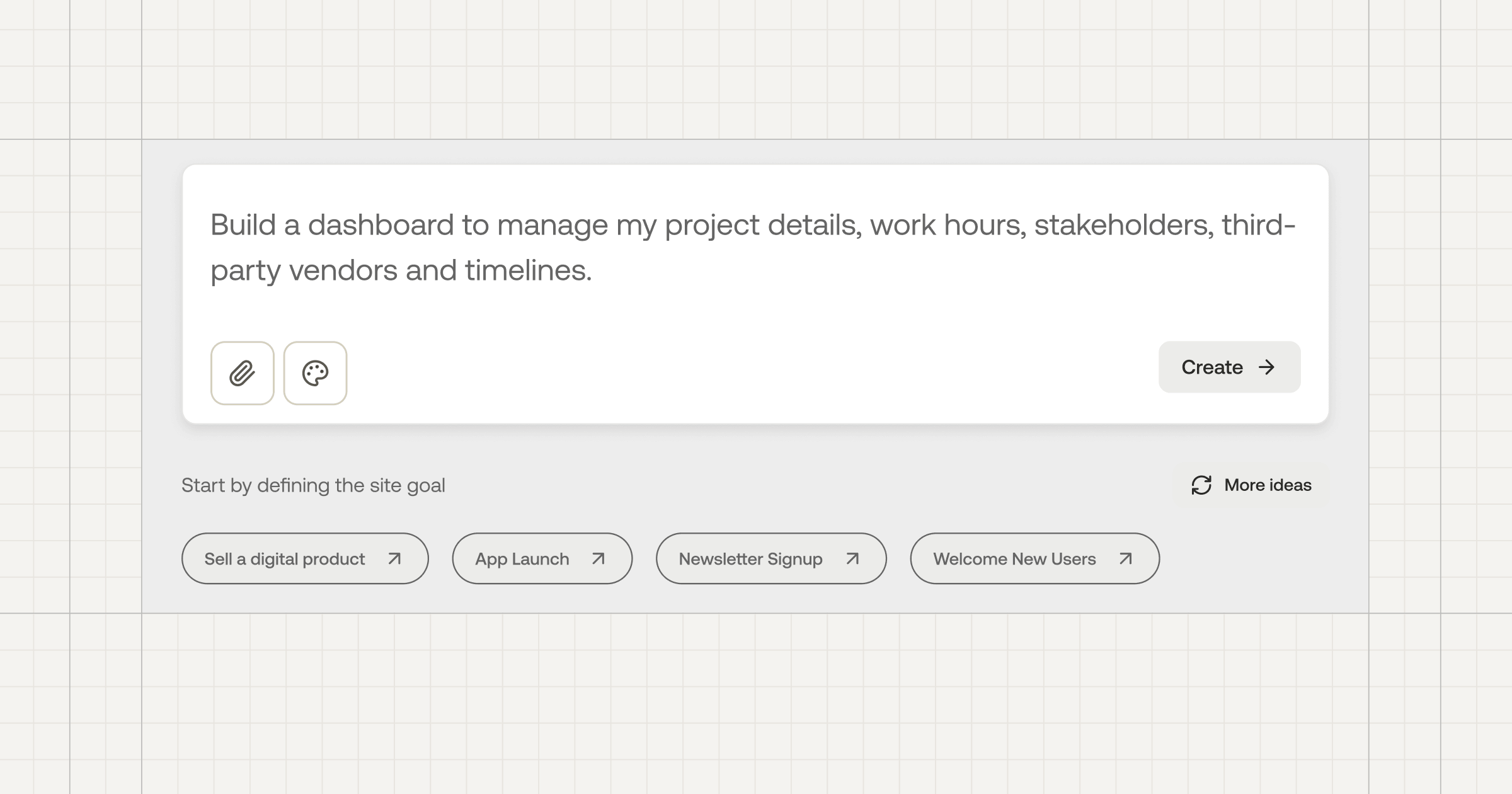
Speed is the priority at this step. Sticklight, the vibe-coding platform built by the Elementor team and powered by Claude, is made for professional creators who need to go from an idea to a working product without a long engineering cycle. You describe what you are building in plain language, Sticklight builds it, and you keep full control to edit every part of it by hand once the first version exists.
Start with a prompt that describes the one job from Step 1: the single screen, the single form, the single flow a user needs to complete. Sticklight’s Prompt, Build, Publish flow is built for exactly this kind of focused, fast iteration. Once the first version is up, refine it directly on the canvas, adjusting copy, layout, and logic until the core flow feels right.
If your MVP needs a specific layer of expertise, such as accessible markup or basic SEO groundwork, you can add a Skill to the prompt. Skills are packaged units of expert know-how you attach with one click during the build, so you are not researching best practices from scratch while you are trying to ship fast.
- Prompt for the one core flow first, not the full product vision.
- Refine by hand once the first version exists, rather than re-prompting from scratch each time.
- Add a Skill, like Accessibility or SEO, only where it directly supports the core job.
Step 4: Launch to a small group and connect it to your existing site
An MVP that only you have used has not been tested yet. Pick a small group, a handful of existing customers, a segment of your email list, a few people from your network who match the problem you are solving, and get the product in front of them. Small and real beats large and hypothetical every time at this stage.
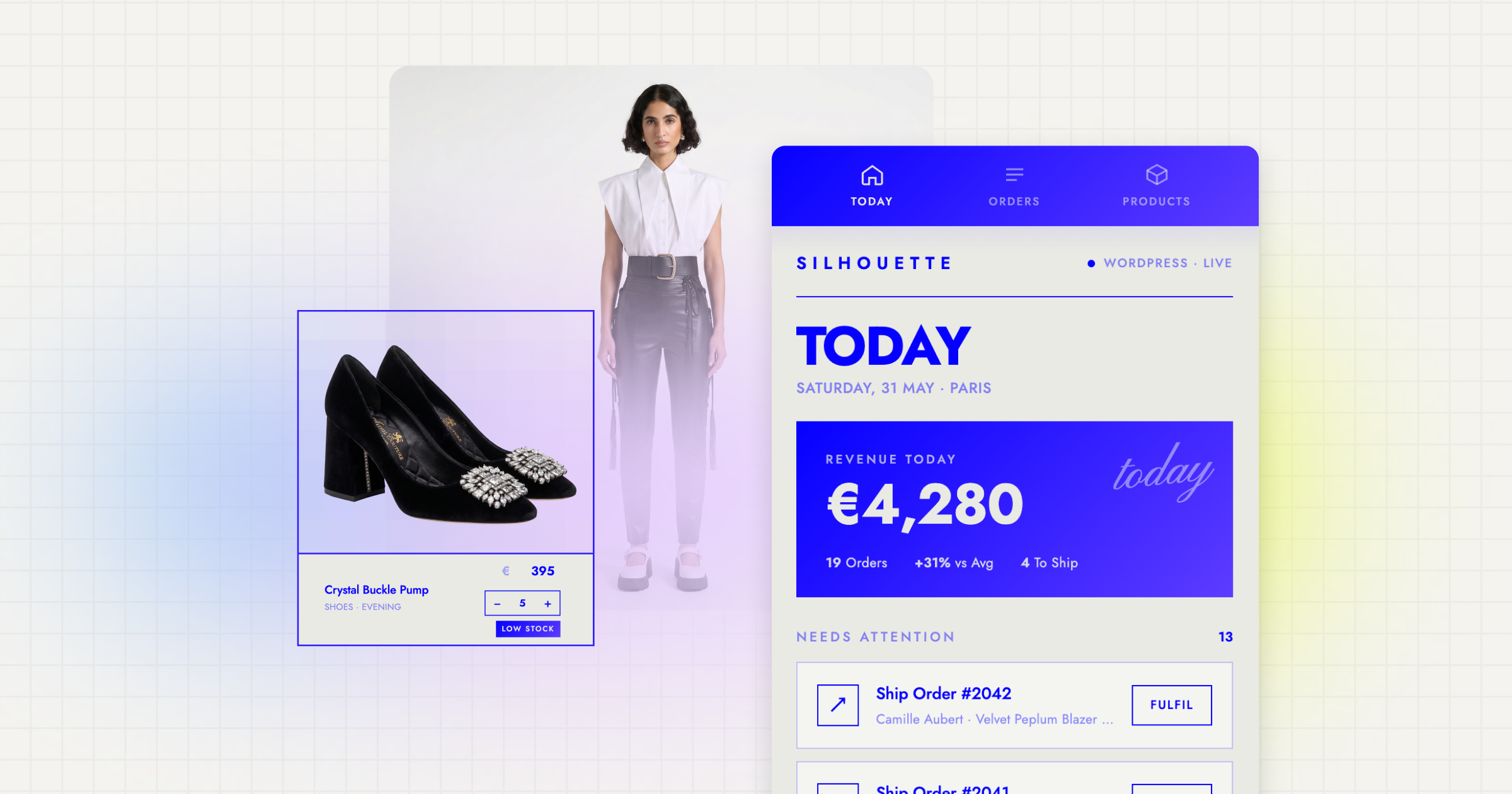
If you already have a website running on WordPress or Elementor, you do not need to start over. Sticklight connects to and extends an existing site, so your MVP can live alongside what you have already built rather than replacing it. Point your small group to it with a custom domain or a simple link, and keep the rest of your site exactly as it is while the MVP proves itself.
Set a short launch window, a week or two is usually enough for a focused MVP, so you have a clear point at which you look at the results and decide what happens next.
Step 5: Measure what happens and decide what to build next
Go back to what you wrote down in Step 1: what did you expect to learn. Compare that against what actually happened. Did people complete the one core action? Where did they stop? Did they come back a second time without being asked to? These answers matter more than opinions, including your own.
From here, you generally land in one of three places. The core problem is real and people want it solved, so you invest further and start layering in the features you cut in Step 2. The core idea is close but the execution missed, so you adjust the one flow and test again with a fresh small group. Or the problem was not as pressing as you thought, so you save the build time and move to the next idea before sinking more effort into it.
Whichever outcome you land on, treat it as data, not a verdict on the whole idea. A minimum viable product is designed to be wrong quickly and cheaply so the next version can be right.
Following a guide gets me to the starting line. Deviating from it is where I actually learn to build.
Itamar Haim
Built by the Elementor team. Powered by Claude.
Let it glow.