
How to Make a Website Faster in 2026

If you want to know how to make a website faster in 2026, the biggest levers are the same five you can control starting today: image weight, code and script bloat, caching and CDN reach, hosting quality, and honest measurement of what visitors actually experience. Work through those in order and you address the causes behind most slow-loading pages, without a full rebuild.
Speed is less a one-time project than a habit built from small, repeatable checks: compress what you upload, load only what a page needs, serve files close to your visitor, host on infrastructure built for the job, and watch your Core Web Vitals so you notice when something slips. The sections below walk through each lever with steps you can start this week.
Optimize Your Images First
Images are usually the heaviest files on any page, which makes them the fastest place to win back load time. Resize photos to the dimensions they actually display at, save them in modern formats like WebP or AVIF, and compress before upload rather than after. Lazy loading images below the fold keeps the initial page light without hiding content from search engines.
A few large hero photos and a handful of forgotten full-resolution uploads can quietly outweigh every other file on a page combined. Running an image audit once a quarter, and setting a house rule for maximum file size before anything goes live, keeps this fixed instead of creeping back over time.
Trim Code and Scripts
Every script, plugin, and stylesheet a page loads adds parsing and execution time before visitors can actually use the page. A quick audit usually turns up the same culprits:
- Unused plugins or widgets loading on pages that do not need them
- Render-blocking scripts that could load after the main content instead
- Duplicate libraries pulled in by different tools or themes
Removing that clutter often improves perceived speed more than any single technical trick.
Use Caching and a CDN
Caching stores a ready-to-serve copy of your pages so the server does not have to rebuild them for every visit, and a content delivery network places those copies on servers around the world. Together they cut both the distance data travels and the work your server does per request. For most sites, turning on page caching and a CDN is a same-day change with an immediate, noticeable payoff.
Browser caching helps too, by telling a returning visitor’s browser to reuse files it already downloaded instead of fetching them again. Set sensible expiration rules for images, fonts, and scripts that rarely change, and clear the cache after any real update so visitors always see your current pages.
Choose Hosting That Keeps Up
No amount of front-end optimization overcomes a server that is slow to respond. Crowded shared hosting plans strain under traffic spikes and add delay to every request, even cached ones. Look for hosting built around modern PHP versions, solid-state storage, and server-level caching, and pick a plan that matches your real traffic rather than the cheapest tier on offer.
Server location matters too, especially if most of your visitors sit in one region. Hosting close to your core audience shortens the first leg of every request, and pairing that with a CDN for the rest of the world gives you fast loads wherever a visitor happens to be browsing from.
Measure with Core Web Vitals
Core Web Vitals give you three concrete signals to track: Largest Contentful Paint, which shows how fast the main content appears; Interaction to Next Paint, which shows how quickly the page responds to clicks and taps; and Cumulative Layout Shift, which shows how much the page jumps around while loading. Checking these regularly in Google Search Console or PageSpeed Insights tells you whether your fixes are actually working, not just whether the page feels faster.
Treat these numbers as an ongoing check-in rather than a one-off score. Test after every major update, on both mobile and desktop, since the two often perform differently. A site that passes today can slip after a new plugin, a heavy embed, or an unresized image sneaks back in.
Where Sticklight fits
Once the fundamentals above are in place, the platform you build on still matters. Sticklight turns a plain prompt into a production-ready website, app, dashboard, or tool, built by the Elementor team and powered by Claude, with speed treated as part of the build rather than something you bolt on afterward.
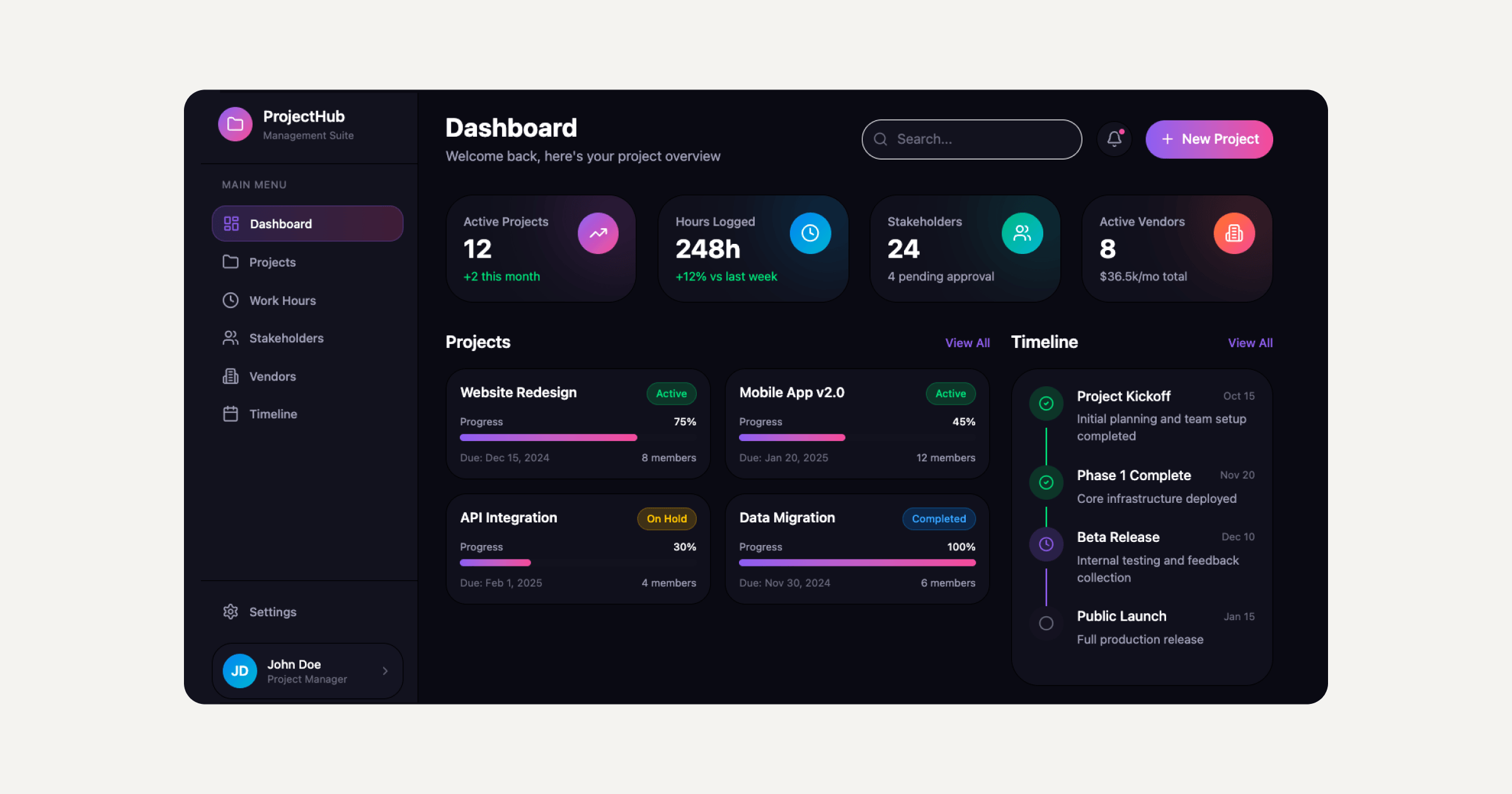
That sits alongside Elementor and WordPress rather than in place of them. Many site owners already design and manage their sites with Elementor on WordPress, and Sticklight adds another way to spin up new pages, tools, or dashboards quickly when a fast turnaround matters most.
Frequently asked questions
How do I make my website faster?
Optimize and compress images, minimize code, enable caching, use a content delivery network, choose fast hosting, and reduce unnecessary scripts. Measuring your pages first helps you focus on the biggest wins.
Why is website speed important?
A fast site keeps visitors engaged, lowers bounce rates, and supports conversions. Speed is also a ranking signal for search engines, so quicker pages can help you get found.
What is a good website loading time?
Aim for pages that load in about two to three seconds or less. Core Web Vitals give more specific targets for loading, interactivity, and visual stability that reflect real user experience.
What slows down a website?
Large unoptimized images, heavy scripts, too many plugins, slow hosting, and no caching are common causes. Testing your site shows which of these is holding your pages back.
Do I need to code to speed up my website?
Some improvements, like compressing images or enabling caching, need no code. Others benefit from developer help. Modern tools can build a fast foundation so there is less to fix later.
Built by the Elementor team. Powered by Claude.
Let it glow.