
How to make an app for my business

The fastest way to make an app for your business is to start with the problem you want to solve, not the feature list. Once you know exactly what the app needs to do, whether that is handling bookings, tracking orders, running internal workflows, or giving customers a self-service portal, you can describe it in plain language, build it on a visual canvas, connect it to the systems you already run, and publish it to the people who will actually use it. This guide walks through that process in five steps, whether or not you have a technical team.
None of this requires you to become a developer. Sticklight, the vibe-coding platform built by the Elementor team and powered by Claude, is designed for exactly this kind of project. You describe what you need, the platform builds a production-ready starting point, and you keep full control to adjust it by hand.
- Start by naming the one business problem your app needs to solve, not a wishlist of every feature you might want someday.
- Write down the must-have features first, then cut anything that is not essential to version one.
- Sticklight turns a plain-language prompt into a working app, and you refine the details on the canvas afterward.
- Connect the app to your real business data and to the WordPress or Elementor site you already run.
- Publish to a small group first, gather feedback, and treat the first release as a starting point, not a finished product.
Step 1: Decide why you want to make an app for your business
Every useful business app starts from a specific, named problem. Before you open any tool, write one sentence that describes what is broken or missing today. Are customers calling to book appointments because there is no online scheduler? Are staff tracking orders in a spreadsheet that three people edit at once? Is there no way for customers to check the status of their own account without emailing you?
The four most common starting points are booking and scheduling, order and inventory tracking, internal operations such as approvals, task handoffs, and reporting, and customer portals for account access or self-service requests. Pick the one causing the most friction right now. Trying to solve bookings, orders, and internal ops in the same first build usually means none of them get solved well.
Write the problem down in a sentence or two you could say out loud to an employee or a customer. That sentence becomes the brief for everything that follows.
Step 2: List the must-have features, then cut the rest
Once the problem is clear, list every feature you can think of that touches it. Then sort the list into two columns: what the app cannot work without, and what would be nice eventually. Be honest about the difference. A booking app needs a calendar, availability rules, and a confirmation step. It does not need loyalty points, multi-location switching, or a review system in the first version.
A short must-have list does two things. It gives you a clear brief to describe when you start building, and it gives you a real product you can put in front of staff or customers quickly, instead of a project that never quite ships because the list keeps growing.
Keep the “nice eventually” column. Nothing on it is wasted, it simply is not part of the first version. You can add to a working app later once you know how people actually use it.
Step 3: Build it with Sticklight by describing it in a prompt and refining on the canvas
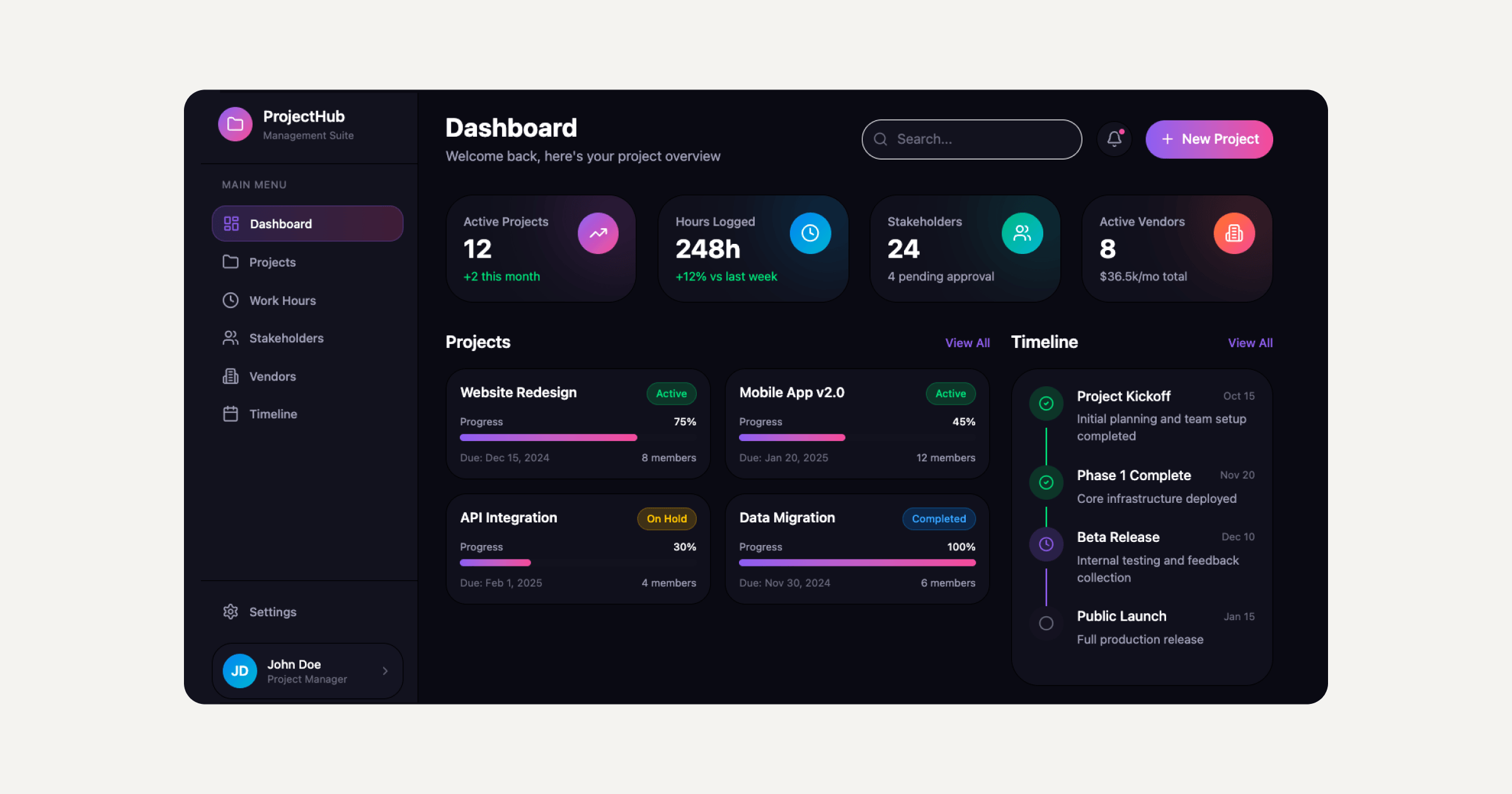
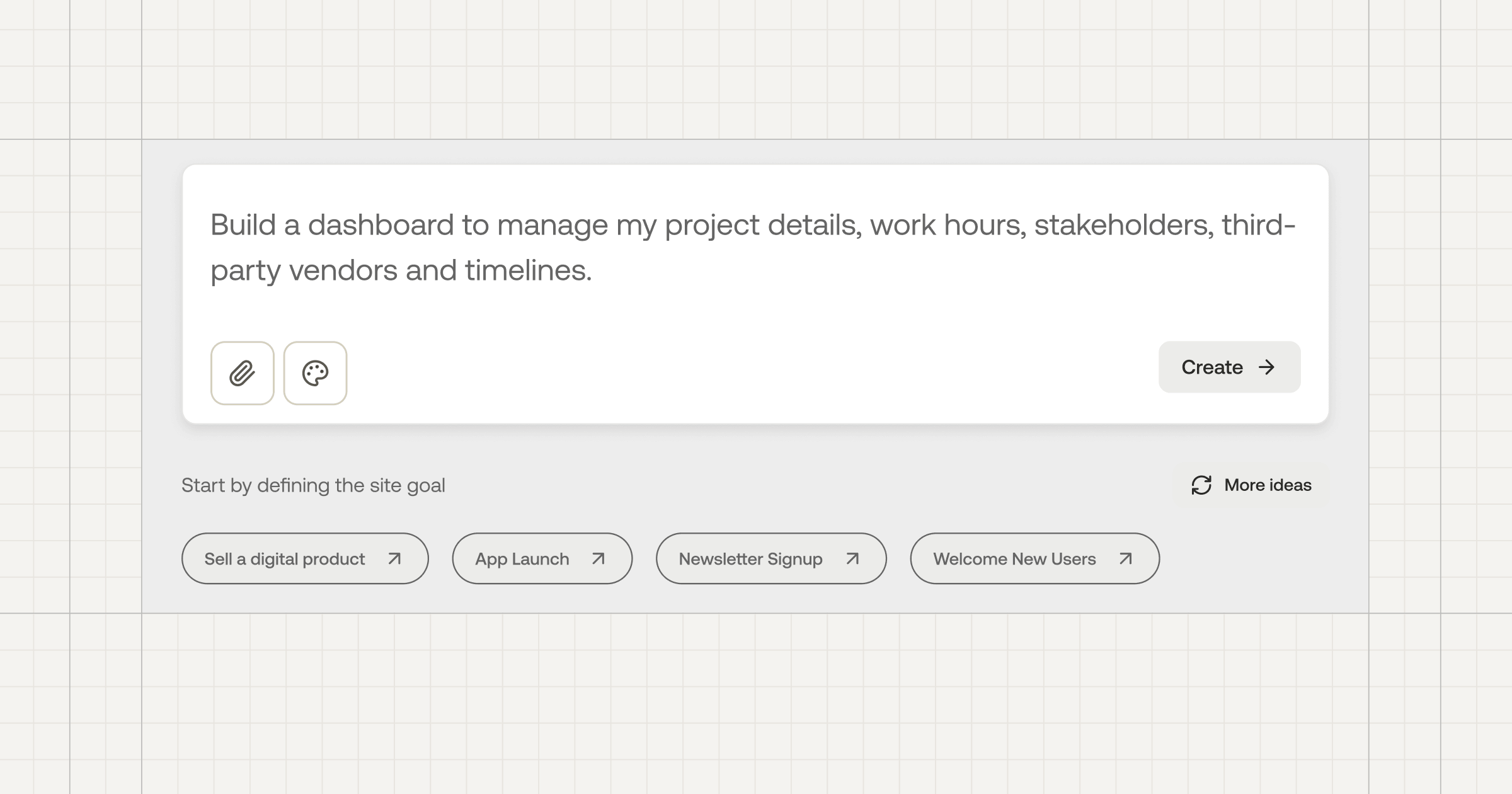
With the problem and the must-have list in hand, you have everything you need to write a working prompt. Describe the app in plain language: who uses it, what it needs to do, and the must-have features from step two. Sticklight turns that prompt into a production-ready starting point, not a demo, following what the team calls the Sticklight standard, the craft of a senior designer and developer applied to what the AI builds.
From there, the work moves to the canvas. You can adjust layout, copy, and flow by hand, or edit the underlying code directly, so the AI-generated starting point never locks you out of the details that matter to your business. Your app might need specific expertise: accessibility, SEO, performance, a consistent design system, localization, or onboarding flows. All of that is packaged as Skills you can add to a prompt with one click, instead of researching each discipline yourself.
Expect a few rounds of prompting and refining. Describe, look at the result, adjust, and repeat until the app matches the sentence you wrote in step one.
Step 4: Connect it to your business data and your existing WordPress/Elementor site
An app is only useful if it works with the information your business already runs on: customer records, product or service data, order history, or whatever your app needs to read and write. Set up those connections early, while the app is still small, so you can test with real data instead of placeholders.
If your business already runs on WordPress or Elementor, that is a strength to build on, not a system to leave behind. Sticklight connects to and extends an existing WordPress or Elementor site rather than asking you to start over, so your app and your website can share the same source of truth for content, products, or customer information.
Test the connections the same way a customer or staff member would use them: create a booking, place a test order, submit a form. Catching a data problem now is far cheaper than catching it after people are relying on the app.
Step 5: Publish, roll it out to staff or customers, and iterate
Publishing on Sticklight includes SEO basics built in and a security scan on every build, plus the option to connect a custom domain, so the app you launch is set up correctly from the start. Sticklight offers a free plan to try the platform, with Pro, Team, and Enterprise tiers built for growing teams, and the option to bring your own AI keys on select plans, so you can start small and let the plan scale as the app earns its place in your business.
Do not roll an app out to everyone on day one. Publish it and hand it to a small group first, a few staff members or a handful of trusted customers, and watch how they actually use it. Real usage will surface gaps that planning never does.
Once the small group is comfortable, widen the rollout and keep iterating. Add the “nice eventually” features from step two as they become useful, fix the friction points people report, and treat the app as something you improve over time rather than a project you finish once.
Getting stuck is not a sign I am doing it wrong. It usually means I am finally doing something real.
Itamar Haim
Built by the Elementor team. Powered by Claude.
Let it glow.