
The Ideal Blog Length for SEO in 2026

There is no single ideal blog length for SEO. Most well-researched posts land somewhere between 800 and 2,500 words, but the right number depends entirely on what your reader is trying to accomplish and how much ground the topic genuinely requires you to cover.
Every year someone declares a magic word count that guarantees rankings, and every year it turns out to be wrong. This article breaks down why length matters at all, what typical ranges look like across different content types, and how to land on a length that fits your topic instead of chasing a number.
Why blog length matters for SEO
Length itself is not a ranking factor. Search engines do not reward a post simply for hitting a word count. What length tends to correlate with is depth: longer posts often cover a topic more completely, answer more related questions, and naturally attract more internal links. That correlation is where the “longer always ranks better” myth came from, when completeness was the real driver all along.
Search engines also weigh signals like backlinks, dwell time, and how well a page satisfies the query that brought someone there. A shorter page that fully resolves the reader’s question can easily outperform a longer one that meanders. Treat length as a byproduct of thorough coverage, not a lever you pull on its own.
Recommended length by content type
Different formats do different jobs, so the ideal length shifts with the format. A quick news update needs almost none of the setup a pillar guide requires, and a listicle lives or dies on how much useful detail sits under each entry. Use the ranges below as a starting point to plan around, not a target to hit exactly.
| Content type | Typical word count range |
|---|---|
| News update | 300 to 600 |
| How-to guide | 1,000 to 2,000 |
| Listicle | 1,200 to 2,500 |
| Pillar guide | 2,500 to 4,500 |
Depth and quality beat word count
A padded 3,000-word post that repeats itself will lose to a tight 900-word post that actually answers the question. Readers notice filler, and so do behavior signals like time on page and pogo-sticking back to the results. Every paragraph should earn its place. If you can say something in fewer words without losing meaning, say it that way instead.
A useful test: read your draft back and cut any sentence that only restates a point you already made. If a section could be summarized in half the space without losing a fact or a step, trim it. Concise, well-organized posts are also easier to scan, and scannability keeps people reading instead of bouncing back to the results.
How to find your ideal blog length for SEO
Start by studying the pages already ranking for your target keyword. Note their rough length, and more importantly, what specific questions they answer. Match the search intent first: is someone after a quick answer, a full walkthrough, or a comparison? Then write until the topic is covered completely, check for gaps competitors left open, and stop there.
Outline before you write. List every subtopic and question a thorough answer needs to cover, then estimate roughly how much space each one deserves. Check related searches and any snippet-style results too, since they often reveal angles competitors missed. Revisit the finished draft and ask honestly whether anything is padding rather than substance.
When shorter genuinely wins
Not every query deserves a long answer. Definitional searches, quick conversions, and single-fact lookups are usually best served by a focused 300 to 600 word post that gets to the point fast. Stretching a simple answer to hit an arbitrary target tends to hurt readability and push up bounce rate without adding real value for the reader.
The same logic applies to posts you already have published. If a topic has grown simpler over time, or a shorter format now answers it better, trimming an old post can help more than padding it further. Length should track the question in front of you, not a habit or a calendar.
A small business owner asking for a booking system used to mean a referral. Now it means a build I take on myself.
Itamar Haim
Where Sticklight fits
Once you know the length and structure your content needs, Sticklight helps you build the place it actually lives. Describe the blog, publishing workflow, or content hub you have in mind, and Sticklight turns that prompt into a production-ready website, blog, app, or tool that you own and can publish right away, helping you become a genuine full-stack creator.
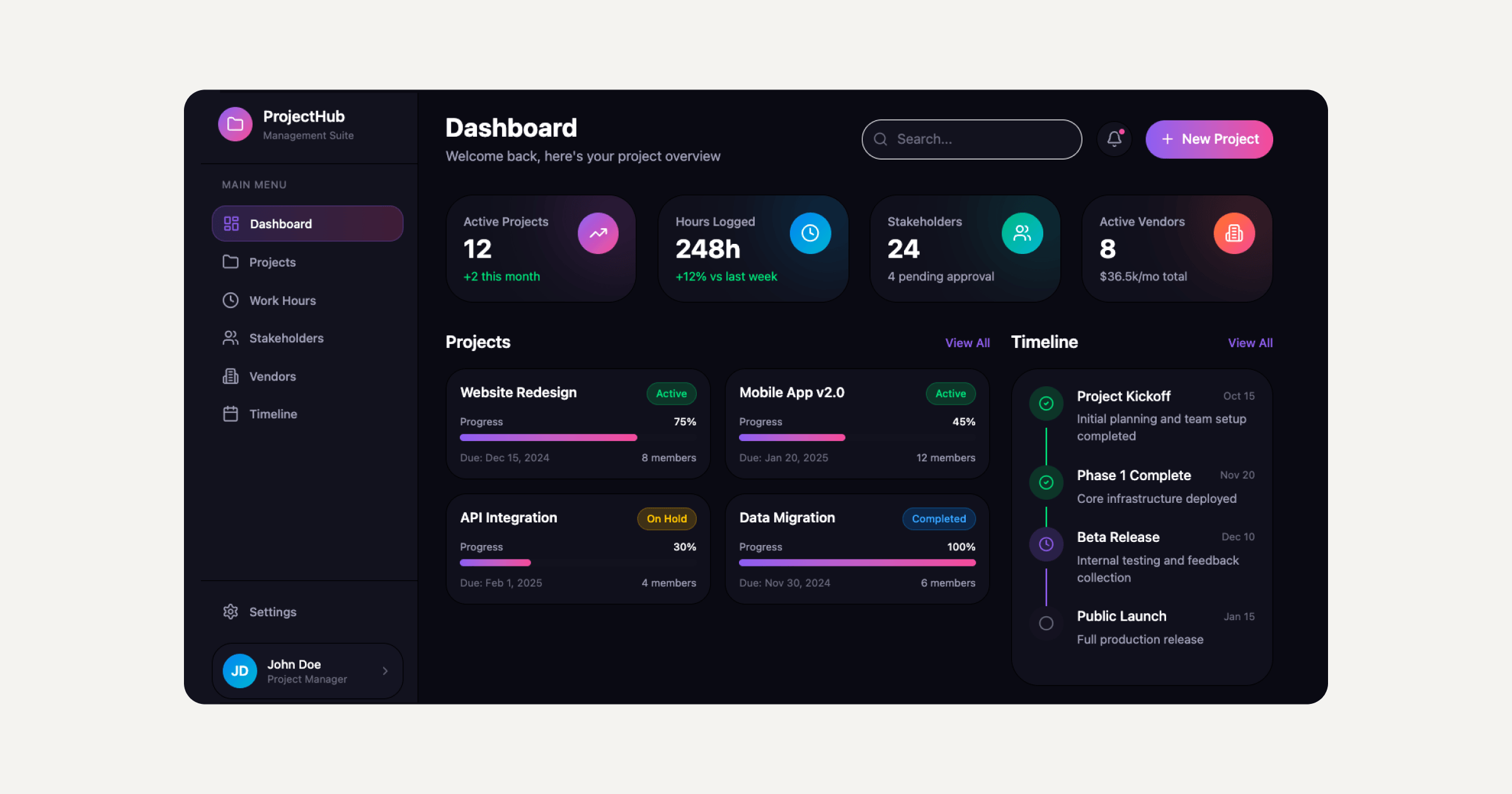
If you already run a WordPress or Elementor site, Sticklight fits alongside it rather than replacing it, letting you spin up new sections, landing pages, or tools quickly while your existing setup stays exactly as it is.
Frequently asked questions
What is the ideal blog length for SEO in 2026?
There is no single number. Many posts perform well in the range of roughly 1,000 to 2,000 words, but the right length depends on the topic and what the query needs answered.
Do longer blog posts rank better?
Not automatically. Longer content can cover a topic more fully, which helps, but padding a thin topic to hit a word count usually hurts more than it helps.
How long should a how-to post be?
Long enough to fully answer the task, often around 1,000 to 1,500 words. Focus on complete, clear steps rather than a target length.
How long should a pillar page or guide be?
Comprehensive guides often run 2,000 words or more because they cover a broad topic in depth, but every section should earn its place.
How do I find the right length for my post?
Look at what already ranks for your keyword, match the depth searchers expect, and cover the topic completely without filler.
Built by the Elementor team. Powered by Claude.
Let it glow.