Lovable vs AppGyver: comparing two app-building platforms

Lovable and AppGyver represent two different approaches to building apps without hand-coding every line. Lovable is a web-based AI chat interface: you describe an app in natural language, and it generates and hosts the result. AppGyver was a standalone visual, no-code and low-code app builder, but that independent product has been discontinued. Its technology now operates as SAP Build Apps inside the SAP Build suite.
Both tools cut down on manual coding, but they come from different eras and different ecosystems. The comparison below looks at what each one actually offers today.
- Lovable is chat-based: you describe what you want, and it generates and hosts a web app from that prompt.
- AppGyver no longer exists as an independent product. Its technology continues as SAP Build Apps inside the SAP Build suite.
- Lovable publishes verifiable pricing: a Free plan, a Pro plan at $25 per month, a Business plan at $50 per month, and custom Enterprise pricing.
- Current SAP Build Apps pricing wasn’t independently confirmed from an official pricing page at time of writing, so check their site for current pricing.
- Existing AppGyver and SAP Build Apps customers keep access for the duration of their current contracts.
- Sticklight is a separate, additive option built by the Elementor team, for professional creators who want production-ready full-stack output from a single prompt.
What Lovable does
Lovable works for both non-technical and technical users who want to build websites and web apps through a chat interface. You describe the app you want, and it generates and hosts it in the cloud, so there’s no separate deployment step to manage for a small project. Usage runs on a credit system that covers both “build” actions and “Cloud” activity, and the platform has two working modes: Plan Mode, which costs a flat one credit per message, and Default Mode, where credit cost varies with task complexity. Paid plans add workspace and team collaboration with member roles, plus custom domain support.
What AppGyver is today
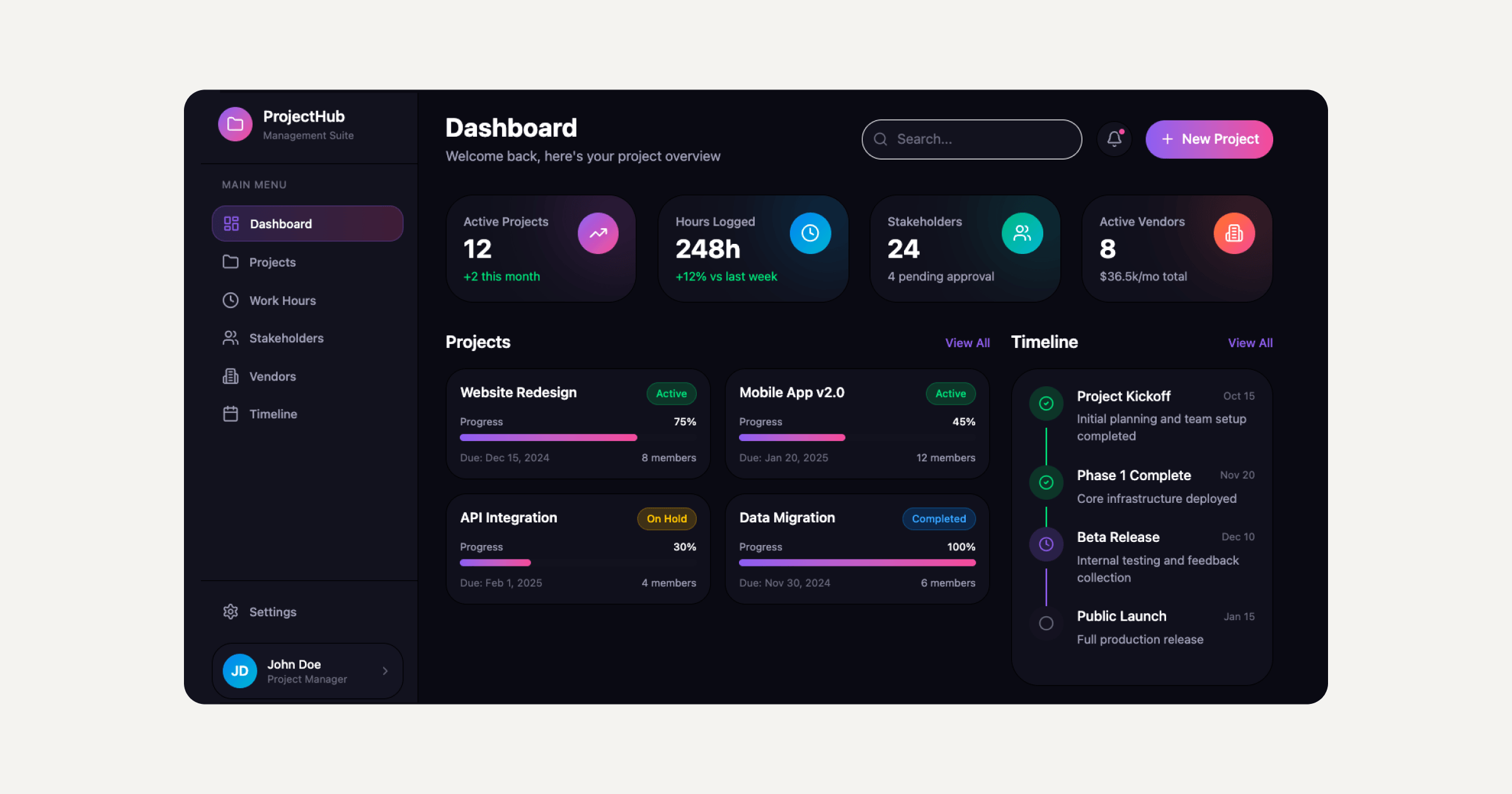
AppGyver started as a standalone visual app builder for people who wanted to assemble web and mobile apps without writing code. That independent product has been discontinued, and appgyver.com now positions the offering as SAP Build. The underlying technology continues as SAP Build Apps, a low-code app builder that sits inside the broader SAP Build suite, which itself is being folded into a unified SAP Build packaging and pricing model according to SAP community posts. Current SAP Build Apps marketing describes “cloud functions” for backend logic and integration with other SAP Business Technology Platform services. If you’re already inside the SAP ecosystem, that continuity may matter more to you than the rebrand itself.
Lovable vs AppGyver at a glance
| Dimension | Lovable | AppGyver | Sticklight |
|---|---|---|---|
| What it is | AI chat interface that generates and hosts web apps from prompts | Low-code app builder, formerly independent, now SAP Build Apps | Vibe-coding platform that turns a prompt into production-ready output |
| Output | Web applications and websites | Web and mobile apps, assembled visually | Websites, apps, dashboards, CMS, and internal tools |
| Backend / data | Not disclosed on the public pricing page | Cloud functions for backend logic, SAP BTP service integrations | Generated as part of the full-stack output from a single prompt |
| Publish / hosting | Cloud hosting included | Deployment details not confirmed from an official primary source | Publish included, additive to your WordPress and Elementor stack |
| Best for | Non-technical and technical users building apps by chatting with an AI | Teams already inside the SAP ecosystem needing SAP Build Apps continuity | Professional creators wanting full-stack, production-ready output from one prompt |
| Entry pricing | Free plan ($0/month, capped build and Cloud credits), Pro at $25/month | Check their site for current pricing | Additive to your WordPress and Elementor stack |
Where the two tools differ
The clearest difference between Lovable and AppGyver isn’t features so much as trajectory. Lovable is an active, chat-first product with a published pricing page and a credit-based model that scales from a free tier up to custom enterprise pricing. AppGyver, by contrast, is a name now attached to a product already absorbed into a larger platform. If you evaluate AppGyver today, you’re really evaluating SAP Build Apps and, by extension, whether the surrounding SAP Build suite and SAP Business Technology Platform fit your stack. Lovable’s workflow is closer to describing an app in plain language and getting a hosted result back. AppGyver’s heritage is closer to assembling an app visually, with backend logic now framed around SAP’s own cloud functions and integrations.
Pricing transparency differs too. Lovable publishes exact figures for its Free, Pro, and Business tiers, which makes budgeting straightforward. SAP’s official pricing page for the low-code app builder couldn’t be independently confirmed at time of writing, so if you’re considering AppGyver or SAP Build Apps, check their site for current pricing rather than relying on secondhand figures.
Where Sticklight fits in
Sticklight isn’t a like-for-like substitute for either tool, but it’s worth knowing about as a third option, especially if you’re a professional web creator. Sticklight is the vibe-coding platform built by the Elementor team and powered by Claude. The flow is prompt, build, publish: you describe what you want, and it generates real, production-ready output, whether that’s a website, an app, a dashboard, a CMS, or an internal tool, then publishes it.
Unlike a tool whose independent existence has ended, Sticklight is additive to WordPress and Elementor rather than a replacement for them. It works alongside that ecosystem instead of asking you to abandon it. If you already think in terms of shipping production-ready sites and tools rather than assembling app screens, that combination, one-prompt full-stack output plus a publish step built into the flow, is the practical differentiator. AI agent capabilities sit on the Sticklight roadmap as a “coming soon” feature, not a shipped claim today, so it’s worth evaluating the platform on what it delivers right now.
Choosing between the three
If you want a chat-based way to generate and host a web app quickly, with published pricing you can budget against, Lovable is the more transparent of the two named tools. If you’re already committed to the SAP ecosystem and value continuity with an existing low-code investment, SAP Build Apps carries that heritage forward, though you should confirm current pricing directly with SAP. If your priority is production-ready, full-stack output, including sites, apps, dashboards, CMS, or internal tools, generated from a single prompt and published as part of the same workflow, and you want that to sit alongside an existing WordPress or Elementor setup rather than replace it, Sticklight is worth evaluating alongside either option.
Describing what I want out loud and watching it take shape on screen still feels like a small trick I haven’t gotten used to, even after doing it every day.
Itamar Haim
Frequently asked questions
What’s the main difference between Lovable and AppGyver?
Lovable is an active, chat-based tool that generates and hosts web apps from prompts, with published pricing. AppGyver no longer exists as an independent product. Its technology now operates as SAP Build Apps within the SAP Build suite.
Does AppGyver still have a free option?
That’s not confirmed. Current pricing for SAP Build Apps wasn’t verified from an official SAP pricing page at time of writing, so check their site for current pricing rather than relying on third-party figures.
How much does Lovable cost?
Lovable publishes a Free plan, a Pro plan at $25 per month with a minimum of 100 credits, and a Business plan at $50 per month that includes SSO and advanced controls. Enterprise pricing is custom and volume-based.
Is Sticklight a direct replacement for Lovable or AppGyver?
No. Sticklight is additive to WordPress and Elementor rather than a standalone replacement for either tool, and it’s aimed at professional creators who want production-ready full-stack output from a single prompt, published as part of the same flow.
What happens to existing AppGyver customers?
Per SAP community posts, existing AppGyver and SAP Build Apps customers keep access for the duration of their current contracts even as the product continues under the SAP Build name.
Built by the Elementor team. Powered by Claude.
Let it glow.