Lovable vs O-mega: comparing two AI app-generation platforms

Lovable and O-mega solve different problems, even though both turn a prompt into working software. Lovable is a chat-based tool for generating and hosting web applications. O-mega aims wider: it generates and runs an entire business’s website, checkout flow, and admin dashboard from one description.
Both rely on natural-language prompts to produce working software, but they target different jobs, different buyers, and different pricing models.
- Lovable generates and hosts web applications from a chat interface, with published pricing tiers.
- O-mega generates a website, a customer sign-in and payment flow, and an internal admin dashboard together from one description.
- Lovable’s Free, Pro, and Business tiers list exact dollar figures; O-mega’s standard tier pricing isn’t published, so check their site for current figures.
- O-mega bundles ongoing automated operations, such as support, payment recovery, and content updates, into the product. Lovable focuses on generating and hosting the application itself.
- Sticklight is a separate option built by the Elementor team for professional creators who want production-ready, full-stack output that stays additive to an existing WordPress or Elementor setup.
What Lovable is built for
Lovable is a web-based AI chat interface that generates and hosts web applications from natural-language prompts. It works for both non-technical and technical users building websites and web apps. Usage runs on metered build credits and Cloud credits: Plan Mode costs one credit per message, and Default Mode’s cost varies by task complexity. Paid plans add custom domain support, and the Business tier adds SSO and advanced access controls for teams.
What O-mega is built for
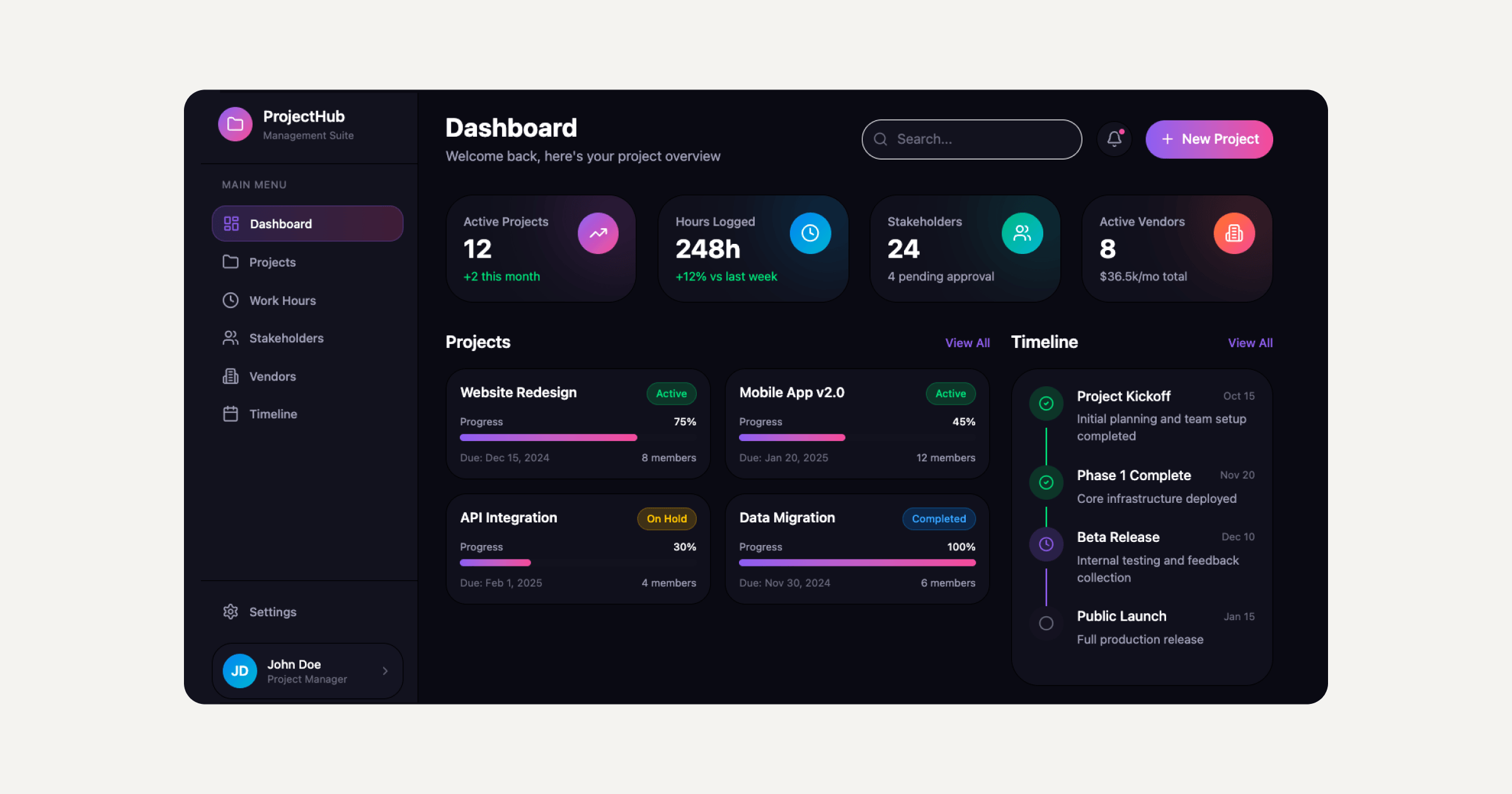
O-mega generates a public website, a customer product or sign-in and payment flow, and an internal admin dashboard from a single natural-language description, and it keeps changes to all three in sync from one edit. Beyond generation, it runs ongoing automated operations such as customer support, payment recovery, invoice management, and content updates, and it integrates live data from tools like Stripe. Usage is credit-based, where one credit corresponds to one build step, such as adding a banner or setting up automated emails.
Lovable vs O-mega at a glance
| Dimension | Lovable | O-mega | Sticklight |
|---|---|---|---|
| What it is | A web-based AI chat interface that generates and hosts web applications from natural-language prompts. | An AI platform that generates and autonomously operates a business’s website, sign-in and payment flow, and internal admin dashboard from a natural-language description. | A vibe-coding platform for professional web creators that turns a prompt into production-ready websites, apps, dashboards, CMS, and internal tools. |
| Output | Web applications and websites, hosted in the cloud. | A public website, a customer sign-in and payment flow, and an internal admin dashboard, generated together from one description. | Production-ready websites, apps, dashboards, CMS, and internal tools, published as part of the build flow. |
| Backend / data | Not disclosed on the official pricing page. | Not detailed beyond the generated admin dashboard and live integrations with tools such as Stripe. | Not detailed beyond producing full-stack, production-ready output. |
| Publish / hosting | Cloud hosting included, with custom domain support on paid plans. | Vendor states full data and domain ownership with export capability; hosting specifics aren’t detailed in public materials. | Publish is built into the flow: prompt, build, publish. Additive to an existing WordPress or Elementor stack. |
| Best for | Individuals and teams building and hosting a web app from a chat interface. | Businesses that want one system to generate and continuously operate a site, checkout, and admin dashboard. | Professional web creators who want production-ready, full-stack output built by the Elementor team. |
| Entry pricing | Free at $0 per month, 5 daily build credits capped at 30 per month; Pro starts at $25 per month. | Check their site for current pricing. | Additive to your WordPress/Elementor stack. |
How pricing compares
Lovable publishes four tiers. Free costs $0 per month, with 5 daily build credits capped at 30 per month and 20 monthly Cloud credits. Pro runs $25 per month, with a minimum of 100 credits per month. Business is $50 per month and adds SSO and advanced controls. Enterprise pricing is custom, with volume-based credits.
O-mega’s public pricing page doesn’t yield confirmed figures for its standard tiers at the time of writing, so if you’re comparing the two on cost, check O-mega’s site directly for current numbers before deciding.
Where the two products differ in scope
The clearest difference is scope. Lovable stays focused on generating and hosting the application itself: the interface, the logic, the deployment. O-mega’s product extends further into day-to-day business operations, running automated workflows for support, billing, and marketing after the initial build. That makes O-mega closer to an operating system for a small business’s digital presence, while Lovable stays closer to an app-generation and hosting tool. Neither approach is inherently better. They answer different questions about how much of the ongoing operation you want software to handle automatically.
Where Sticklight fits
Sticklight is a separate product from both Lovable and O-mega, built by the Elementor team and powered by Claude. Its flow is prompt, build, publish: it turns a prompt into production-ready websites, apps, dashboards, CMS, and internal tools, and publishing is part of that same flow rather than a separate step. It’s additive to WordPress and Elementor, meaning it’s designed to work alongside an existing WordPress or Elementor setup rather than replace it. If you already work in that ecosystem and want full-stack output without leaving it, Sticklight is worth evaluating alongside Lovable and O-mega. AI agents are on Sticklight’s roadmap, coming soon.
Frequently asked questions
What’s the main difference between Lovable and O-mega?
Lovable generates and hosts a web application from a chat interface. O-mega generates a website, a sign-in and payment flow, and an admin dashboard together, then keeps running automated operations for your business after launch.
Which is cheaper, Lovable or O-mega?
Lovable publishes a $0 Free tier and a $25 per month Pro tier. O-mega’s standard tier pricing isn’t published, so you can’t make a direct cost comparison from public information. Check O-mega’s site for current figures.
Does O-mega publish pricing for its standard plans?
No. Only an Enterprise-level entry point could be confirmed from official materials at the time of writing. Standard tier names and prices weren’t available, so check their site for current pricing.
Is Sticklight a direct replacement for Lovable or O-mega?
Not exactly. Sticklight is built by the Elementor team to stay additive to an existing WordPress or Elementor setup, producing production-ready websites, apps, dashboards, CMS, and internal tools from a prompt, which makes it a distinct option worth evaluating alongside either tool.
Built by the Elementor team. Powered by Claude.
Let it glow.