
Multilingual Website Builders: Nine Languages and Beyond

Yes, a multilingual website builder that handles nine languages, and well beyond, is easily within reach for any modern platform. Whether through built-in language management or a well integrated translation plugin, supporting nine languages is a solved problem for most established site builders today, not a stretch goal.
This article walks through what genuine multilingual support actually requires, how built-in features compare with translation plugins, why multilingual sites need careful SEO handling, and a practical step-by-step approach to building one yourself.
The short answer
Most leading website builders already support dozens of languages, so nine sits nowhere near a ceiling. The real question is not whether a multilingual website builder can technically support enough languages, but whether it does so cleanly, with proper URL structure, correct language tags, and content that stays manageable as your site grows across markets.
What a multilingual website builder needs to support
Real multilingual support goes past a simple language switcher in the header. It touches structure, direction, and formatting at every level of the site, and skipping any one of these pieces tends to show up later as broken navigation, duplicate content issues, or pages that read correctly but feel foreign to local visitors.
- Per-language URLs, either subdirectories like /fr/ or separate subdomains
- Correct hreflang tags connecting each language version to the right audience
- Right-to-left layout support for languages like Arabic and Hebrew
- Localized dates, currencies, and number formats per locale
Built-in features vs translation plugins
Built-in multilingual features live inside the builder itself, so language versions share the same design system and content structure without a separate integration to maintain. Translation plugins tend to bolt onto an existing site, translating text after the fact, which works well but often needs more manual review to keep formatting and tone consistent.
Neither approach is inherently better. Built-in tools suit new sites planned with multiple languages from day one, while plugins suit existing sites that need language coverage added without a full rebuild. What matters most is whether the result gives each language a clean URL and accurate, human-reviewed copy.
Multilingual website builders and SEO
Search engines treat each language version as a distinct page, so hreflang tags matter more than most people expect. They tell search engines which page serves which language and region, preventing duplicate-content confusion and making sure a French reader lands on the French version instead of the original.
Translated content also needs its own keyword research rather than a direct translation of your primary-language keywords, since search terms rarely map one to one across languages. A multilingual website builder that supports localized meta titles, descriptions, and sitemaps per language gives you a real head start on this work.
How to build a multilingual site step by step
Start by confirming your target languages and whether you need full translation or partial coverage for key pages only. From there, the process is mostly sequencing: structure first, tagging second, translation third, and testing last, so nothing gets built on top of a foundation that still needs to change.
- Pick your target languages and confirm which pages need full translation
- Choose a URL structure, subdirectories are usually the simplest to manage
- Set up hreflang tags so search engines match each version to the right audience
- Translate with a human reviewer, checking tone, idioms, and right-to-left layout where needed
- Test navigation, language switching, and localized formatting before launch
Where Sticklight fits
Sticklight takes a different starting point. Instead of picking a multilingual website builder and configuring templates by hand, you describe what you want in a prompt, and Sticklight turns it into a production-ready website, app, dashboard, or tool, including the structure and logic that multilingual pages depend on. It is built for people who want to move from idea to working product without wrestling with setup, helping you become a full-stack creator along the way.
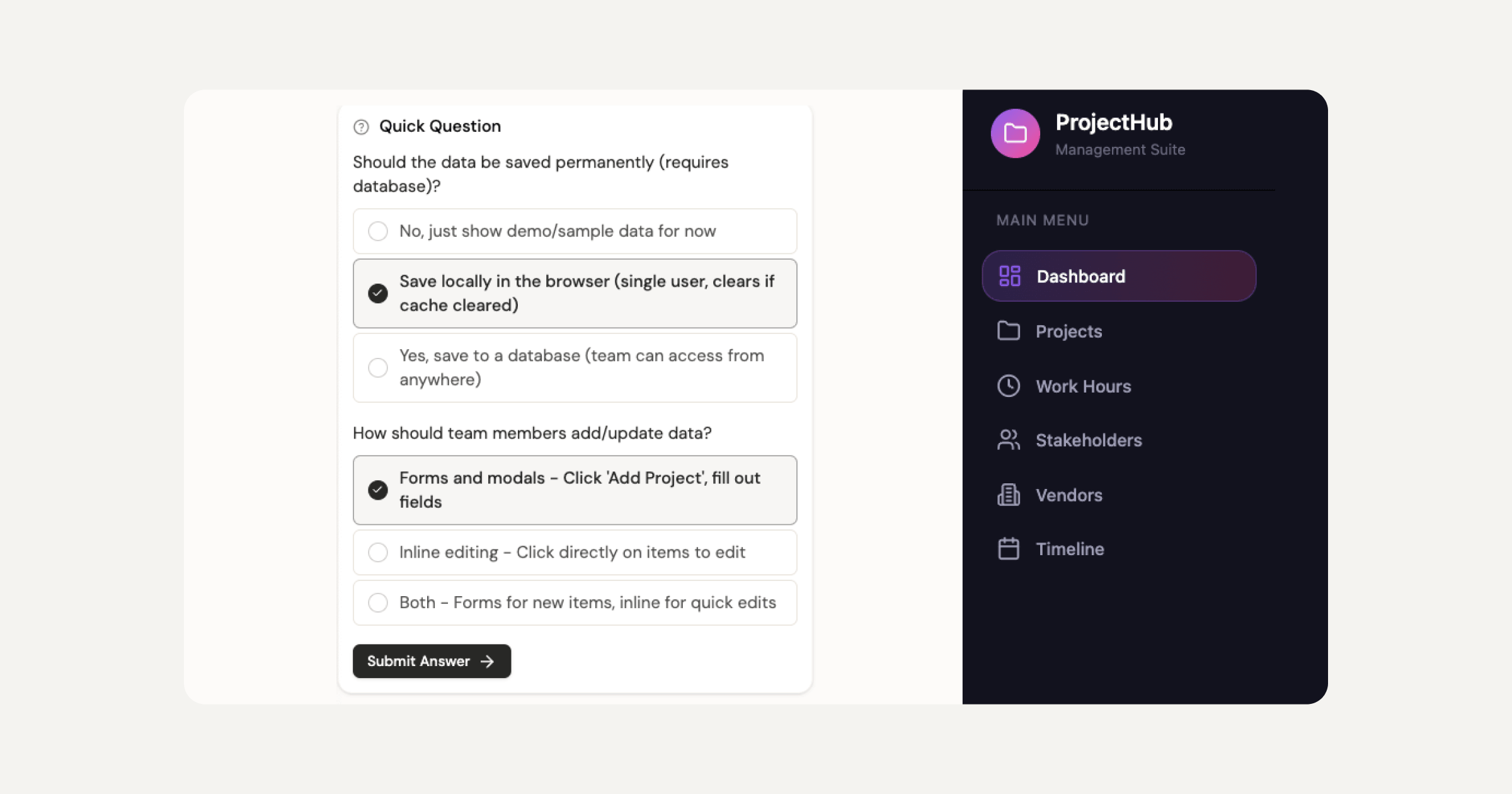
If you already run a WordPress or Elementor site, Sticklight fits alongside it rather than replacing what you have. Use it to spin up a multilingual landing page, an internal tool, or a new section of your product, and let your existing site keep doing what it already does well.
Frequently asked questions
Which website builders support multiple languages?
Most leading website builders offer multilingual support either built in or through translation plugins and add-ons, so you can publish a site in nine languages or many more.
What does multilingual support actually require?
Beyond translated text, look for language switching, per-language URLs, hreflang tags, right-to-left support, and localized dates, currencies, and formats.
Is it better to use a built-in feature or a translation plugin?
Built-in multilingual tools are simpler to manage, while plugins can offer more control and languages. The right choice depends on how many languages you need and who will maintain them.
Does a multilingual site help SEO?
Yes, when done well. Proper per-language URLs and hreflang tags help search engines serve the right version to the right audience, which can grow international traffic.
How many languages can a website builder support?
Many support dozens of languages. Nine is well within range for most modern builders and plugins, so focus on quality of translation and localization rather than the raw count.
Built by the Elementor team. Powered by Claude.
Let it glow.
