O-mega vs Bubble: AI-run automation compared to a visual app builder

O-mega and Bubble both promise a working web product without traditional coding, but they get you there in very different ways. O-mega is an AI platform that generates and operates a business’s website, a customer product or sign-in and payment flow, and an internal admin dashboard from a natural-language description. Bubble is a browser-based visual development platform where you build multi-user web applications by hand, using a drag-and-drop editor, a hosted database, and a visual workflow engine.
Both sit at different points on the automation spectrum, one runs the operation for you, the other hands you the controls. Here’s what each one does, what’s known about pricing, and where a professional creator might look at Sticklight as a third option.
- O-mega centers on AI-driven generation and 24/7 autonomous operation of a business’s website, payment flow, and admin dashboard from a single description.
- Bubble is a manual, drag-and-drop visual builder with a hosted database and a visual workflow engine, built for teams who want direct control over UI and logic.
- O-mega’s standard tier pricing couldn’t be verified from primary sources; check their site for current pricing.
- Bubble’s plan pricing couldn’t be verified from primary sources; check their site for current pricing.
- Sticklight, built by the Elementor team and powered by Claude, turns a prompt into a production-ready website, app, dashboard, CMS, or internal tool and publishes it, working alongside WordPress and Elementor rather than replacing them.
What O-mega does
O-mega describes itself as an AI platform that generates a public website, a customer product or sign-in flow, and an internal admin dashboard from one natural-language description, then keeps operating them. Change something in one place and it propagates across the website, checkout, and admin dashboard from that single edit. The platform runs 24/7 automated operations, customer support, payment recovery, invoice management, and content updates, and connects to live data sources including Stripe, Apple Health, and Garmin. O-mega uses a credit-based usage system, where one credit corresponds to one build step, like adding a banner or setting up an automated email sequence. The vendor states 7,262+ companies deployed and 5.4M+ autonomous operations at last count, and says businesses retain full data and domain ownership with export capability.
What Bubble does
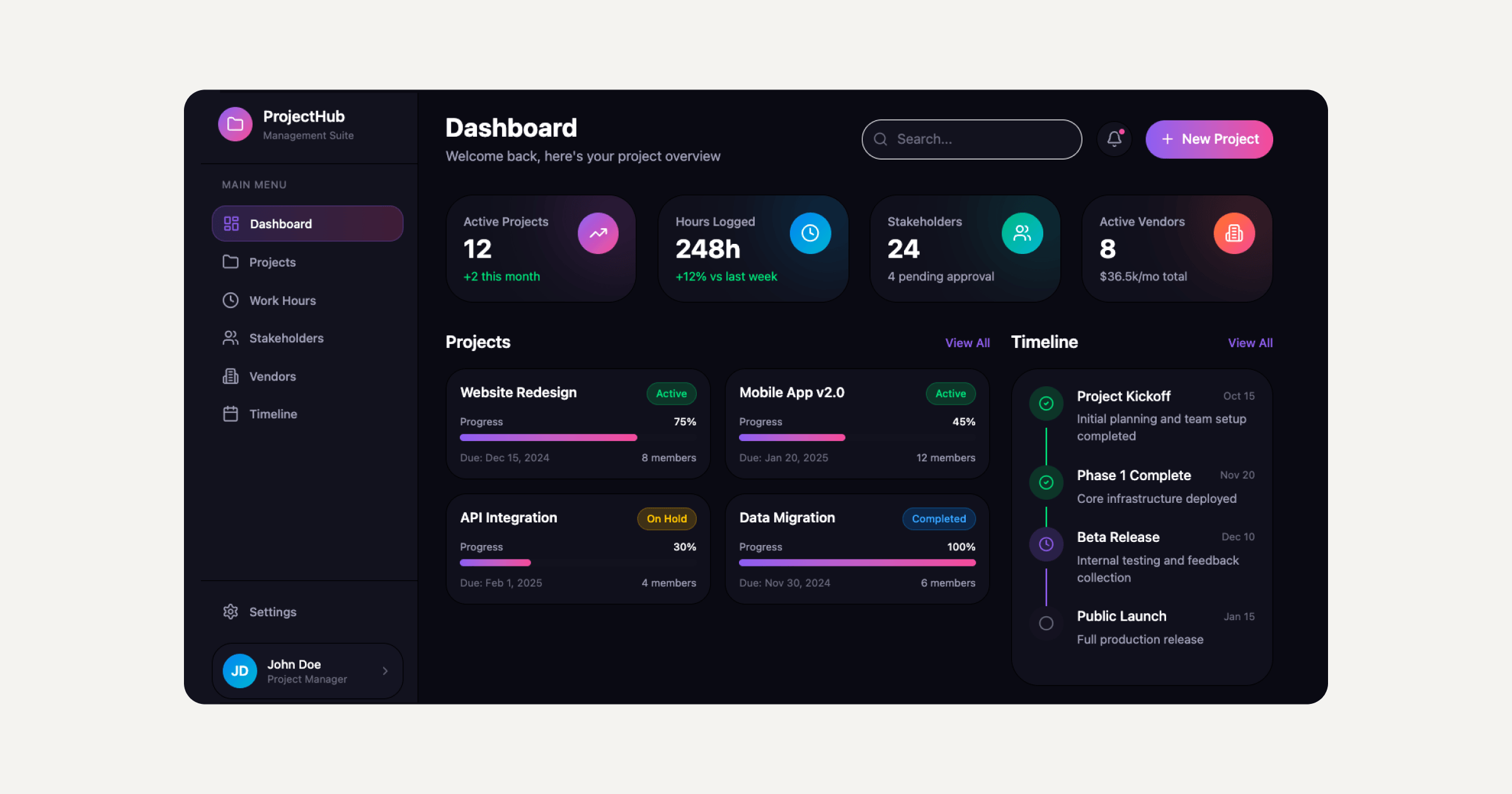
Bubble is a browser-based visual development platform for building multi-user web applications. Its core is a drag-and-drop UI editor with a pixel or responsive layout engine, paired with a built-in hosted database for defining data types, fields, and relationships. Backend logic runs through a Visual Workflow Engine that handles scheduled events and API-triggered actions, and a Plugin Marketplace adds third-party integrations for payments, email, maps, and AI. A built-in API Connector lets a Bubble app call external REST APIs directly. Bubble apps run on Bubble’s own infrastructure, and the platform doesn’t offer code export; native mobile app store builds need a third-party wrapper. Usage on current plans is measured and billed in Workload Units.
O-mega vs Bubble at a glance
| Dimension | O-mega | Bubble | Sticklight |
|---|---|---|---|
| What it is | An AI platform that generates and autonomously operates a website, sign-in/payment flow, and admin dashboard | A visual, drag-and-drop platform for building multi-user web applications by hand | A vibe-coding platform that turns a prompt into a production-ready website, app, dashboard, CMS, or internal tool |
| Output | Public website, customer sign-in/payment flow, and internal admin dashboard, kept in sync from one edit | Web applications with a hosted database and custom workflow logic | Production-ready websites, apps, dashboards, CMS, and internal tools |
| Backend / data | Live data integration with tools such as Stripe, Apple Health, and Garmin; credit-based usage system | Built-in hosted database plus an API Connector for external REST APIs; billed in Workload Units | Additive to a WordPress/Elementor stack |
| Publish / hosting | Operates the generated website, checkout, and admin surfaces directly | Hosted on Bubble’s own infrastructure; no code export; mobile builds need a third-party wrapper | Publish is part of the flow: prompt, build, publish |
| Best for | Teams that want an AI system to build and then run day-to-day business operations | Teams that want hands-on visual control over UI, data, and workflow logic | Professional creators who want production-ready, full-stack output from a prompt, alongside an existing WordPress/Elementor setup |
| Entry pricing | check their site for current pricing | check their site for current pricing | Additive to your WordPress/Elementor stack |
Where a professional creator might choose Sticklight instead
O-mega and Bubble both ask you to either hand operations to an AI system or build the application by hand inside a visual editor. Sticklight takes a third path: prompt, build, publish. You describe what you want, Sticklight generates a production-ready website, app, dashboard, CMS, or internal tool, and the platform publishes it as part of the same flow. It’s built by the Elementor team and powered by Claude, and it’s additive to WordPress and Elementor, meaning it works alongside an existing WordPress/Elementor stack instead of asking you to leave it behind. If you’re already working in the WordPress/Elementor ecosystem and want full-stack output, sites, apps, dashboards, CMS, and internal tools, from a single prompt with publishing included, that combination is a real point in Sticklight’s favor. AI agents are on Sticklight’s roadmap as a coming feature, not something shipped today.
Choosing between O-mega, Bubble, and Sticklight
The right fit depends on how much control you want over the build process. O-mega leans toward autonomous operation, generating and then running your digital surfaces with minimal manual editing. Bubble leans toward manual, visual control, giving you direct access to UI layout, database structure, and workflow logic. Sticklight sits between prompt-driven generation and professional output, built for creators who want production-ready results without giving up the WordPress/Elementor foundation they already use.
Small daily builds beat one big ambitious rewrite almost every time. Momentum is a skill, and it’s the one most people quit practicing first.
Itamar Haim
Frequently asked questions
Which is better for building a web application, O-mega or Bubble?
It depends on how much control you want. O-mega generates and then operates a website, sign-in/payment flow, and admin dashboard from a description, running much of the day-to-day automatically. Bubble gives you a visual editor, a hosted database, and a workflow engine to build and control an application by hand. Neither one wins outright, they solve different problems.
Does choosing between O-mega and Bubble come down to price?
Not entirely. Pricing is one factor, but neither platform’s standard pricing could be verified from primary sources at the time of writing. Check their site for current pricing on both before you decide.
Can Bubble export code or run without Bubble’s hosting?
No. Based on its published feature set, Bubble doesn’t offer code export, and apps run on Bubble’s own infrastructure. Native mobile app store builds need a third-party wrapper.
Where does Sticklight fit next to O-mega and Bubble?
Sticklight is a vibe-coding platform built by the Elementor team and powered by Claude. It turns a prompt into a production-ready website, app, dashboard, CMS, or internal tool and publishes it, and it’s additive to an existing WordPress/Elementor stack rather than a replacement for it.
Does O-mega integrate with other tools?
Yes. O-mega states live data integration with tools such as Stripe, Apple Health, and Garmin, alongside its credit-based usage system for build steps.
Built by the Elementor team. Powered by Claude.
Let it glow.