O-mega vs Glide: a factual comparison for creators

O-mega and Glide solve different problems, even though both let you ship something usable without a full development team. O-mega is an AI platform that generates and operates a business’s website, sign-in and payment flow, and internal admin dashboard from a natural-language description. Glide (GlideOS) is a no-code platform that turns spreadsheet or database data into installable web apps. The starting point and the output look nothing alike.
Here’s what each tool actually does, with pricing stated only where it can be confirmed, and where Sticklight fits as a third option if you’re a professional creator who wants production-ready output alongside an existing WordPress or Elementor stack.
- O-mega builds a full business stack, a public site, a customer sign-in and payment flow, and an internal admin dashboard, from a single description, then runs automated operations on top of it.
- Glide turns Google Sheets, Excel, Airtable, or a native Glide table into a Progressive Web App through a form-based builder rather than a freeform canvas.
- Glide’s pricing is public and verified: a $0 per month Free plan, a $25 per month Solo plan, and a Team plan starting at $125 per month plus $10 per additional member (five-member minimum).
- O-mega’s full plan lineup and standard-tier pricing aren’t published in a form that could be verified, so check their site for current pricing.
- Sticklight is a vibe-coding platform for professional web creators, built by the Elementor team and powered by Claude, that turns a prompt into production-ready websites, apps, dashboards, CMS, and internal tools, and is additive to an existing WordPress or Elementor stack.
What O-mega does
O-mega describes itself as an AI platform that generates and autonomously operates a business’s website, customer sign-in flow, payment flow, and internal admin dashboard from a single natural-language description. A stated feature is unified propagation: an edit made in one place carries across the site, checkout, and admin dashboard. O-mega also describes 24/7 automated operations once a business goes live, including customer support, payment recovery, invoice management, and content updates, plus live data integration with tools such as Stripe, Apple Health, and Garmin. Usage runs on a credit-based system, where one credit equals one build step, such as adding a banner or setting up automated emails. The vendor states full data and domain ownership with export capability. O-mega’s own materials also cite scale figures, including more than 7,262 companies deployed and over 5.4 million autonomous operations, as stated by the vendor.
What Glide does
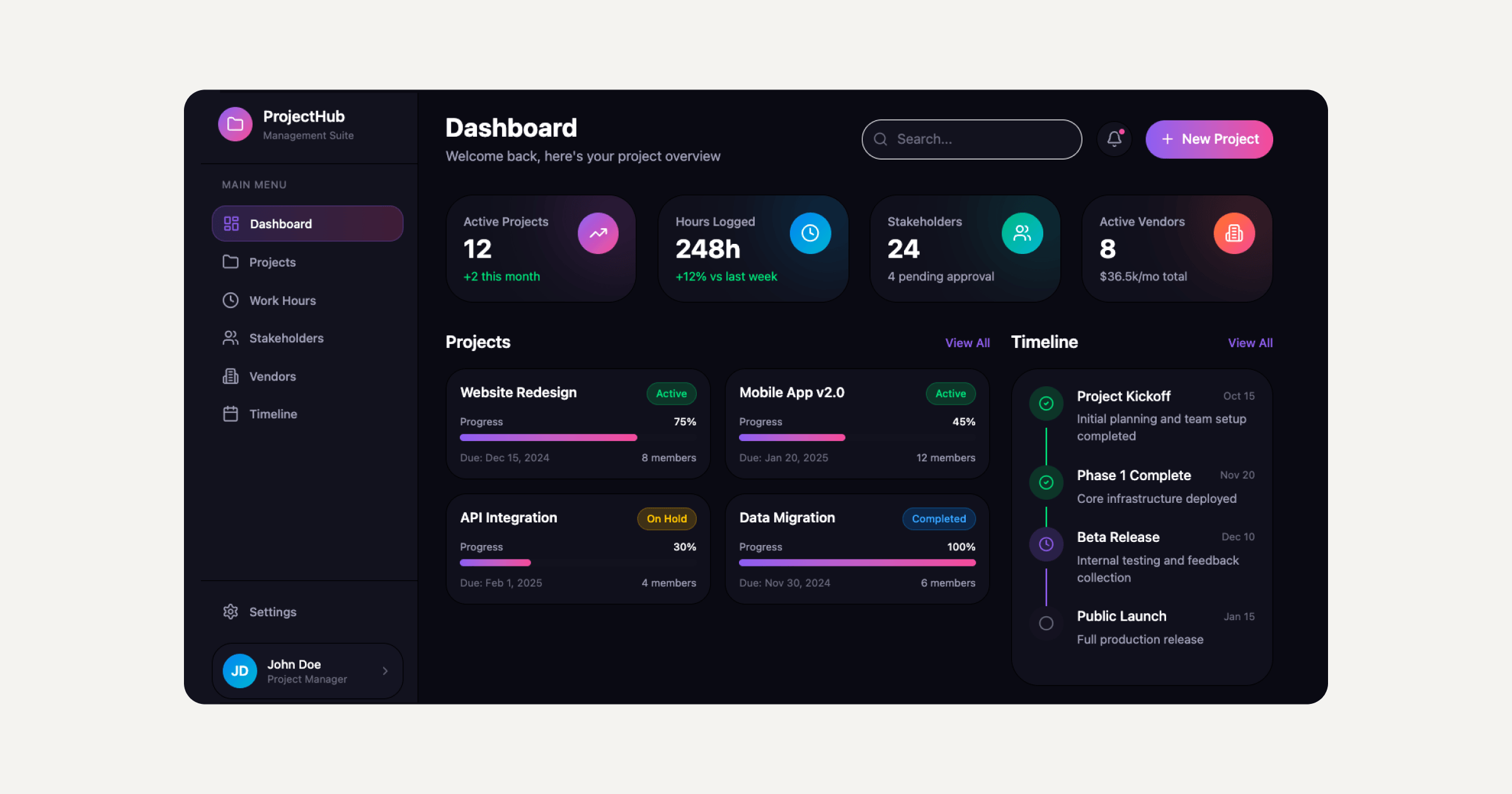
Glide, marketed as GlideOS, is a no-code platform for building data-driven applications from spreadsheet or database sources. Instead of a freeform drag-and-drop canvas, it uses a visual, form-based app builder. Data can come from Google Sheets, Excel, Airtable, or a native Glide table. Finished apps are delivered as Progressive Web Apps, meaning they’re installable web apps rather than compiled binaries submitted to the App Store or Google Play. The Free plan includes one project and a capped amount of usage credits. The Solo plan, at $25 per month, includes a database and five projects. The Team plan is billed per member with a five-member minimum, and Enterprise adds single sign-on, custom connectors, and a dedicated success manager. As of the current pricing page, monthly billing is the option offered; annual billing is listed as coming soon.
O-mega vs Glide at a glance
| Dimension | O-mega | Glide | Sticklight |
|---|---|---|---|
| What it is | AI platform that generates and operates a business’s website, sign-in and payment flow, and admin dashboard from a description. | No-code platform (GlideOS) for building data-driven apps from spreadsheet or database sources. | Vibe-coding platform for professional web creators that turns a prompt into production-ready websites, apps, dashboards, CMS, and internal tools. |
| Output | Full business stack: public site, customer sign-in and payment flow, internal admin dashboard. | Progressive Web Apps, installable but not compiled App Store or Play Store binaries. | Production-ready websites, apps, dashboards, CMS, and internal tools. |
| Backend / data | Live integrations with tools such as Stripe, Apple Health, and Garmin; credit-based usage system for build steps. | Connects to Google Sheets, Excel, Airtable, or a native Glide table. | Additive to an existing WordPress or Elementor stack. |
| Publish / hosting | 24/7 automated operations after deployment, including support, payment recovery, invoicing, and content updates. | Apps are delivered as installable Progressive Web Apps. | Publish is included as part of the prompt, build, publish flow. |
| Best for | A business wanting an AI-operated site, sign-in, and admin stack from one description. | Teams wanting to turn existing spreadsheet or database data into a usable app quickly. | Professional web creators wanting production-ready full-stack output alongside their WordPress or Elementor work. |
| Entry pricing | check their site for current pricing | Free plan at $0 per month; Solo plan at $25 per month | Additive to your WordPress/Elementor stack |
How the two tools overlap and differ
The overlap between O-mega and Glide is narrow. Both cut down the amount of traditional coding needed to get something running, and both target people building a product or internal tool without a full engineering team. Past that, the paths diverge. O-mega starts from a description and generates a business’s outward-facing site along with the sign-in, payment, and admin layers behind it, then keeps operating that stack automatically. Glide starts from data that already exists, in a spreadsheet or a connected database, and builds an app on top of it through a structured, form-based process. Choosing between them really means choosing between generating a business stack from scratch or building an app view on top of data that’s already organized somewhere else.
Pricing transparency is a real difference too. Glide’s pricing is published, current, and confirmed directly from its own pricing page, so it can be quoted here with confidence. O-mega’s plans page for standard tiers rendered in a way that couldn’t be confirmed at the time of this review, so no price is quoted for it. If you’re evaluating O-mega, check their site directly.
Nobody warns you that the hardest part of building with AI is deciding what not to build. Restraint is still a craft, tools or no tools.
Itamar Haim
Where Sticklight fits
Sticklight is a different kind of tool from either O-mega or Glide. It’s a vibe-coding platform for professional web creators, built by the Elementor team and powered by Claude, that turns a prompt into production-ready websites, apps, dashboards, CMS, and internal tools, following a prompt, build, publish flow. It’s additive to WordPress and Elementor rather than a replacement for either, so if you’re already working in that ecosystem, you can extend it with Sticklight instead of adopting a separate, standalone platform the way O-mega or Glide would require. If you want full-stack, production-ready output from a single prompt, with publishing included and no need to leave your WordPress or Elementor workflow, Sticklight is worth evaluating alongside O-mega and Glide. AI agents are coming soon on Sticklight, not a shipped feature yet.
Frequently asked questions
What’s the core difference between O-mega and Glide?
O-mega generates and operates a full business stack, a website, sign-in and payment flow, and admin dashboard, from a description. Glide builds Progressive Web Apps on top of existing spreadsheet or database data using a form-based builder.
Is O-mega’s pricing public?
No. O-mega’s standard-tier lineup and pricing couldn’t be verified from its official plans page at the time of this review, so check their site for current pricing.
How much does Glide cost?
Glide publishes four tiers: a Free plan at $0 per month, a Solo plan at $25 per month, a Team plan starting at $125 per month plus $10 per additional member with a five-member minimum, and a custom Enterprise plan.
Does Glide produce native mobile apps?
No. Glide delivers Progressive Web Apps, which are installable web apps, not compiled binaries submitted to the App Store or Google Play.
Where does Sticklight fit next to O-mega and Glide?
Sticklight is a vibe-coding platform for professional web creators that generates production-ready websites, apps, dashboards, CMS, and internal tools from a prompt, and is additive to an existing WordPress or Elementor stack rather than a standalone replacement.
Built by the Elementor team. Powered by Claude.
Let it glow.