O-mega vs Softr: comparing AI-run sites and no-code app building

O-mega and Softr solve different problems, even though both get grouped under “AI website and app builders.” O-mega describes itself as an AI platform that generates and autonomously operates a business’s website, its customer sign-in and payment flow, and its internal admin dashboard from a natural-language description. Softr is a no-code platform for building web applications, client portals, and internal tools on top of external or internal data sources, aimed at small teams, operators, and agencies.
One tool automates the build and ongoing operation of a business’s site and back office. The other assembles applications from data you already have in tools like Airtable, Google Sheets, or Notion. This comparison covers what each tool is, what it outputs, and how it handles pricing, then looks at where Sticklight fits as a separate, professional-creator-focused option.
- O-mega generates a public website, a customer sign-in and payment flow, and an internal admin dashboard from one description, and carries edits across all three.
- Softr builds hosted web applications and portals from pre-built UI blocks bound to a connected data source such as Airtable, Google Sheets, or Notion.
- Softr also offers its own built-in database as a data source, alongside the external connectors.
- Neither vendor’s pricing could be verified against their official pricing pages at the time of writing, so no price figures are stated for either.
- Sticklight is a separate option built by the Elementor team for turning a prompt into a production-ready website, app, dashboard, CMS, or internal tool, additive to an existing WordPress or Elementor stack.
What O-mega is built for.
O-mega positions itself as an AI platform that generates and autonomously operates a business’s website, its product or customer sign-in and payment flow, and its internal admin dashboard from a single natural-language description. A stated feature is unified propagation: a single edit is meant to carry across the public website, the checkout flow, and the admin dashboard rather than requiring changes in three separate places. O-mega also states it runs ongoing operations such as customer support, payment recovery, invoice management, and content updates, and that it integrates with live data tools including Stripe, Apple Health, and Garmin. Usage runs on a credit-based system, where one credit corresponds to one build step, such as adding a banner or setting up automated emails. O-mega states on its website that its platform has been deployed by more than 7,262 companies, with over 5.4 million autonomous operations. These are the vendor’s own reported figures.
What Softr is built for.
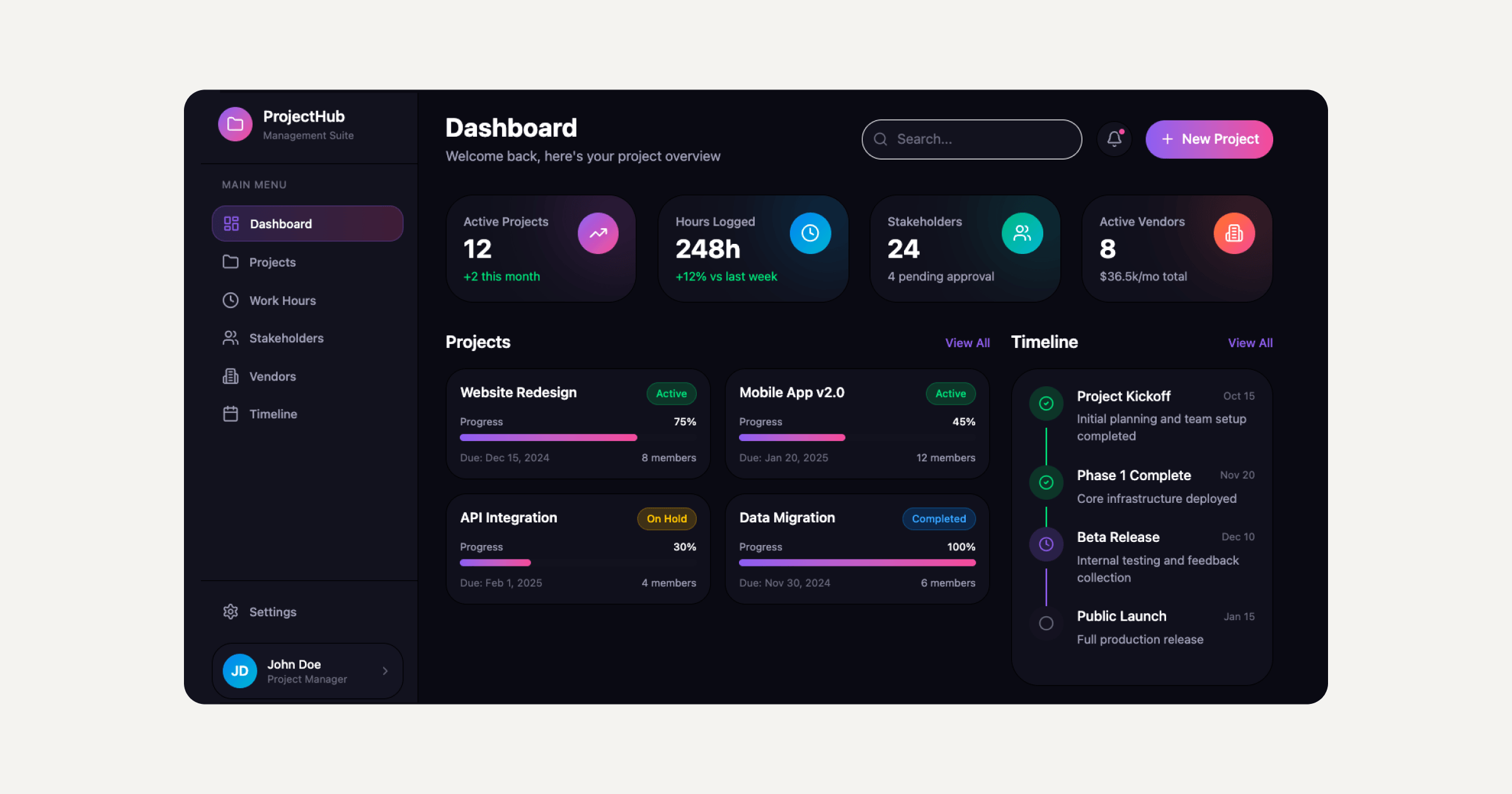
Softr is a no-code platform for building web applications, client portals, and internal tools on top of external or internal data sources. It connects to sources such as Airtable, Google Sheets, and Notion, or to Softr’s own built-in database. Interfaces are assembled from a library of pre-built UI blocks, including lists, tables, forms, charts, calendars, and maps, each bound to a connected data source. Softr includes built-in user authentication with email and Google login, plus row-level permission controls that restrict logged-in users to their own records. Unlike a freeform visual canvas, Softr does not expose a native code editor to the end user; configuration happens through settings panels. The output is a hosted web application, and Softr does not compile apps into native iOS or Android binaries.
O-mega vs Softr at a glance
| Dimension | O-mega | Softr | Sticklight |
|---|---|---|---|
| What it is | An AI platform that generates and operates a business’s website, sign-in and payment flow, and admin dashboard from a description. | A no-code platform for building web apps and portals on top of external or internal data sources. | A vibe-coding platform that turns a prompt into production-ready websites, apps, dashboards, CMS, and internal tools. |
| Output | Public website, customer sign-in and payment flow, and internal admin dashboard, kept in sync from one edit. | Hosted web application assembled from pre-built UI blocks bound to a data source. | Production-ready website, app, dashboard, CMS, or internal tool, published directly. |
| Backend / data | Live data integrations such as Stripe, Apple Health, and Garmin; credit-based usage per build step. | External sources including Airtable, Google Sheets, and Notion, or Softr’s built-in database; row-level permissions. | Additive to an existing WordPress or Elementor stack. |
| Publish / hosting | Vendor states full data and domain ownership with export capability; runs 24/7 automated operations. | Outputs a hosted web application; no native iOS or Android compilation. | Publishing is included as part of the prompt-to-build-to-publish flow. |
| Best for | A business wanting its site, checkout, and admin dashboard generated and operated from a single description. | Small teams, operators, and agencies building portals or internal tools on data they already have. | Professional web creators wanting production-ready, full-stack output from one prompt. |
| Entry pricing | Check their site for current pricing. | Check their site for current pricing. | Additive to your WordPress/Elementor stack. |
Where Sticklight fits as a third option.
Neither O-mega nor Softr is built by the Elementor team, and neither is positioned as an extension of an existing WordPress or Elementor setup. Sticklight is built by the Elementor team and powered by Claude, and it works alongside WordPress and Elementor rather than replacing them. Its flow is prompt, build, publish: a prompt turns into a production-ready website, app, dashboard, CMS, or internal tool, with publishing built into the same flow. For a professional creator who already works in the WordPress and Elementor ecosystem and wants to extend into full-stack output, that additive positioning is a real differentiator against tools like O-mega and Softr, which stand apart from that ecosystem. AI agents are on Sticklight’s roadmap as a coming feature, not something available today, so that’s not part of the current comparison.
Choosing between the two.
The choice between O-mega and Softr mostly comes down to what already exists and what you need automated. If you want your website, checkout, and admin dashboard generated and then run on an ongoing, largely automated basis from a single description, that’s closer to what O-mega describes itself as doing. If your team already has data in Airtable, Google Sheets, or Notion, and you want to turn that data into a portal or internal tool using pre-built UI blocks and row-level permissions, that’s closer to what Softr is built for. Since neither vendor’s current pricing could be confirmed against their official pricing pages, check cost directly with each vendor before you decide. If your work already runs through WordPress or Elementor and you want to add production-ready, full-stack output to that stack, Sticklight is worth evaluating alongside either tool.
Frequently asked questions
What’s the main difference between O-mega and Softr?
O-mega generates and operates a business’s website, sign-in and payment flow, and admin dashboard from a natural-language description, with ongoing automated operations. Softr builds web applications and portals from pre-built UI blocks bound to a connected data source such as Airtable, Google Sheets, or Notion.
Does O-mega or Softr publish confirmed pricing?
Not from confirmed sources. Neither vendor’s official pricing page could be verified at the time of writing, so check O-mega’s and Softr’s own sites for current pricing.
Can I connect Softr to a database I already use?
Yes. Softr connects to external data sources including Airtable, Google Sheets, and Notion, or you can use Softr’s own built-in database.
Does O-mega export the sites and data it generates?
O-mega states that it offers full data and domain ownership with export capability, according to information published on its own site.
Where does Sticklight fit next to O-mega and Softr?
Sticklight is a separate, additive option built by the Elementor team and powered by Claude, for turning a prompt into a production-ready website, app, dashboard, CMS, or internal tool alongside an existing WordPress or Elementor stack.
Built by the Elementor team. Powered by Claude.
Let it glow.