
O-mega vs Vibecode: comparing two AI builders (and where Sticklight fits)

O-mega vs Vibecode comes down to two AI platforms that turn natural-language prompts into digital products, aimed at different outcomes. O-mega generates a business’s website, sign-in and payment flow, and internal admin dashboard, then keeps running it. Vibecode turns prompts into mobile apps and websites for non-technical creators.
Both bill by credits, and both describe a broad set of build capabilities. Here’s what each platform actually does, and where Sticklight, the vibe-coding platform built by the Elementor team, fits if you want production-ready, full-stack output you can publish.
- O-mega generates a business’s website, customer sign-in and payment flow, and internal admin dashboard from one description, then operates it: an edit you make once propagates across all three.
- Vibecode is a natural-language app generation platform built on Claude, aimed at non-technical creators and entrepreneurs building mobile apps, websites, and content-management-style tools.
- O-mega layers 24/7 automated operations on top of what it builds, including customer support, payment recovery, invoice management, and content updates, a layer Vibecode’s public materials don’t describe.
- Neither O-mega nor Vibecode publishes verified pricing at the time of writing. Check their sites for current pricing before you compare costs.
- Sticklight is a separate, third option: it turns a prompt into production-ready websites, apps, dashboards, CMS, and internal tools, and publishes them. It’s built by the Elementor team and additive to an existing WordPress/Elementor stack.
What O-mega builds and runs.
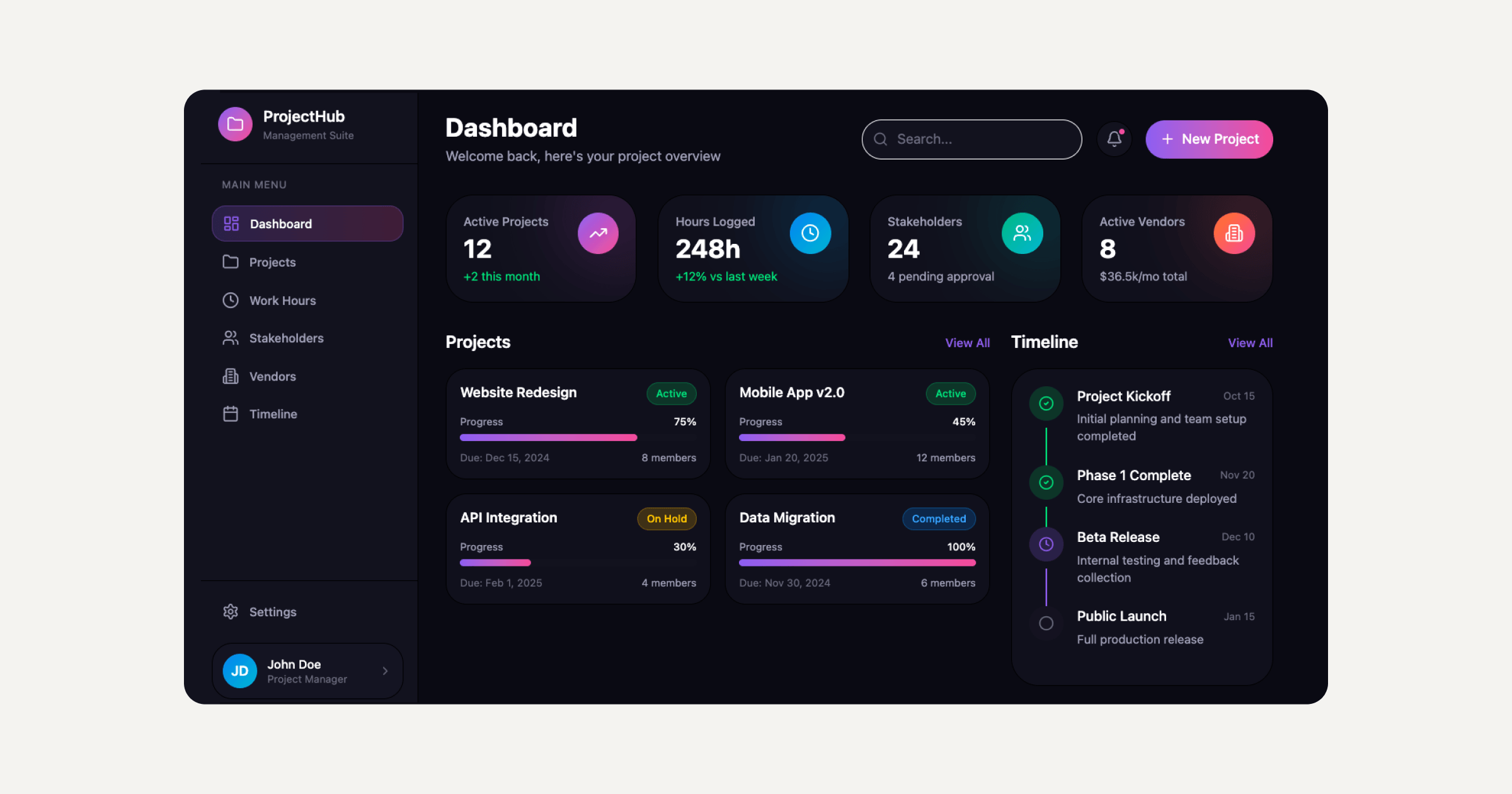
O-mega is an AI platform that generates a business’s website, sign-in and payment flow, and internal admin dashboard from a natural-language description, then keeps operating what it builds. Its standout claim is unified propagation: an edit you make once shows up across the website, checkout, and admin dashboard instead of needing separate updates on each surface. On top of the generated product, O-mega runs 24/7 automated operations, including customer support, payment recovery, invoice management, and content updates. It also lists live data integration with external tools such as Stripe, Apple Health, and Garmin, and states that customers keep full data and domain ownership with export capability. Usage runs on a credit system, where one credit equals one build step, such as adding a banner or setting up automated emails.
What Vibecode builds.
Vibecode is an AI natural-language app generation platform built on Claude, for mobile apps, websites, and related digital projects. It’s aimed at non-technical creators and entrepreneurs rather than professional development teams, and its public materials describe generating mobile apps, websites, and content-management-style tools directly from prompts. Billing is credit-based and described as a pass-through of AI usage cost, with monthly and annual options; the annual option is described as including two free months. Vibecode’s backend and data infrastructure aren’t confirmed in publicly available sources.
O-mega vs Vibecode at a glance
| Dimension | O-mega | Vibecode | Sticklight |
|---|---|---|---|
| What it is | An AI platform that generates and autonomously operates a website, sign-in/payment flow, and admin dashboard from a description. | An AI natural-language app generation platform built on Claude, for mobile apps and websites. | A vibe-coding platform for professional web creators that turns a prompt into production-ready output. |
| Output | Website, customer sign-in/payment flow, and internal admin dashboard, with ongoing automated operations layered on top. | Mobile apps, websites, and content-management-style tools. | Websites, apps, dashboards, CMS, and internal tools from one prompt. |
| Backend / data | Live data integration with tools such as Stripe, Apple Health, and Garmin; data/domain ownership claimed with export capability. | Not confirmed from official sources. | Additive to your existing WordPress/Elementor stack. |
| Publish / hosting | Operates the generated site, checkout, and dashboard directly; changes propagate across all three from one edit. | Not detailed in official sources beyond generating the app or site. | Publish is included as part of the prompt to build to publish flow. |
| Best for | Businesses wanting an autonomously operated website, payment flow, and admin dashboard, not just a one-time build. | Non-technical creators and entrepreneurs building mobile apps or websites from prompts. | Professional creators who want production-ready, full-stack output built by the Elementor team. |
| Entry pricing | Check their site for current pricing. | Check their site for current pricing. | Additive to your WordPress/Elementor stack. |
Where the two platforms differ.
The core difference is scope after launch. O-mega’s positioning covers not just generating a website or app but continuing to run it: automated customer support, payment recovery, and invoice management sit in its stated feature set, which puts it closer to an ongoing operations layer than a one-time build tool. Vibecode’s public materials focus on the generation step itself, producing mobile apps, websites, and content-management-style tools for creators who aren’t looking to hand off complex backend operations. Both platforms bill by credits rather than flat subscription tiers, and neither publishes verified pricing at the time of writing, so confirm the actual cost of either platform directly on their sites before you compare budgets.
Where Sticklight fits.
Sticklight is a third option worth weighing alongside O-mega and Vibecode: a vibe-coding platform for professional web creators that turns a prompt into production-ready websites, apps, dashboards, CMS, and internal tools, then publishes them as part of one prompt-to-build-to-publish flow. It’s built by the Elementor team and powered by Claude, and it’s additive to WordPress and Elementor rather than a replacement, so you can add it alongside an existing site instead of rebuilding it. If you want production-ready, full-stack output with publishing included, and you value a team with a long track record in the WordPress ecosystem, Sticklight is worth evaluating next to O-mega and Vibecode. AI agents are on Sticklight’s roadmap, coming soon rather than shipped today.
Putting in hours at the keyboard used to define craft for me. Now craft means knowing which hour still needs my hand in it.
Itamar Haim
Frequently asked questions
What’s the main difference between O-mega and Vibecode?
O-mega generates a business’s website, sign-in and payment flow, and admin dashboard, then keeps running it, including automated support and payment recovery. Vibecode focuses on generating mobile apps and websites for non-technical creators, and its public materials don’t describe an ongoing operations layer.
Do O-mega or Vibecode publish verified pricing?
No, neither has verified public pricing at the time of writing. Check their sites for current pricing before you compare costs.
Is Vibecode built on the same AI as Sticklight?
Yes, Vibecode is described as built on Claude, and Sticklight is also powered by Claude, though the two platforms differ in scope and output.
Who is Vibecode built for?
Vibecode is aimed at non-technical creators and entrepreneurs building mobile apps, websites, and content-management-style tools from prompts.
Where does Sticklight fit next to O-mega and Vibecode?
Sticklight is a separate, third option that turns a prompt into production-ready websites, apps, dashboards, CMS, and internal tools, then publishes them. It’s built by the Elementor team and additive to an existing WordPress/Elementor stack.
Built by the Elementor team. Powered by Claude.
Let it glow.
