
RapidNative vs Appsmith: AI mobile app builder vs open-source low-code platform

RapidNative and Appsmith end up in the same conversation because teams weighing AI-assisted build tools often stack them side by side, but they’re built for different jobs. RapidNative turns prompts, sketches, documents, or screenshots into React Native mobile app code. Appsmith is an open-source low-code platform for building internal business applications like admin panels and dashboards. One outputs mobile app code, the other outputs browser-based internal tools, so the two rarely land on the same shortlist for the same project.
Here’s what each platform builds, how each prices its plans, and where a full-stack creator platform like Sticklight fits alongside them.
- RapidNative converts prompts, sketches, documents, or screenshots into React Native mobile app code, built for founders, product managers, designers, developers, freelancers, and agencies.
- Appsmith is an open-source low-code platform for building internal applications such as admin panels, dashboards, and CRUD interfaces, with a free, self-hosted Community edition.
- RapidNative’s output is mobile app code, while Appsmith’s output is browser-based internal applications, so the two platforms rarely compete for the same project.
- RapidNative prices on a monthly credit system, from a free plan (20 credits per month) to paid plans starting at $20 per month for Starter.
- Appsmith’s cloud pricing runs per user, starting at $15 per user per month on the Business plan, alongside a free cloud tier capped at 5 users and a free self-hosted Community edition.
- Sticklight occupies a separate category: a vibe-coding platform that turns a single prompt into a production-ready website, app, dashboard, CMS, or internal tool, additive to an existing WordPress and Elementor stack.
What RapidNative and Appsmith build
RapidNative is an AI platform that converts prompts, sketches, documents, or screenshots into React Native application code. It’s built for founders, product managers, designers, developers, freelancers, and agencies who want to go from an idea or a design reference straight to mobile app code. Per the vendor’s own description, the generated code is meant to be production-ready, and native device features like camera, GPS, and biometrics can be integrated. You can export the output as source code or publish it directly to app stores. Usage runs on a credit system across Free, Starter, Pro, Max, and Ultra tiers, and annual billing brings the effective monthly rate down compared to paying monthly. The platform’s public pricing page doesn’t detail specific backend or data-store integrations.
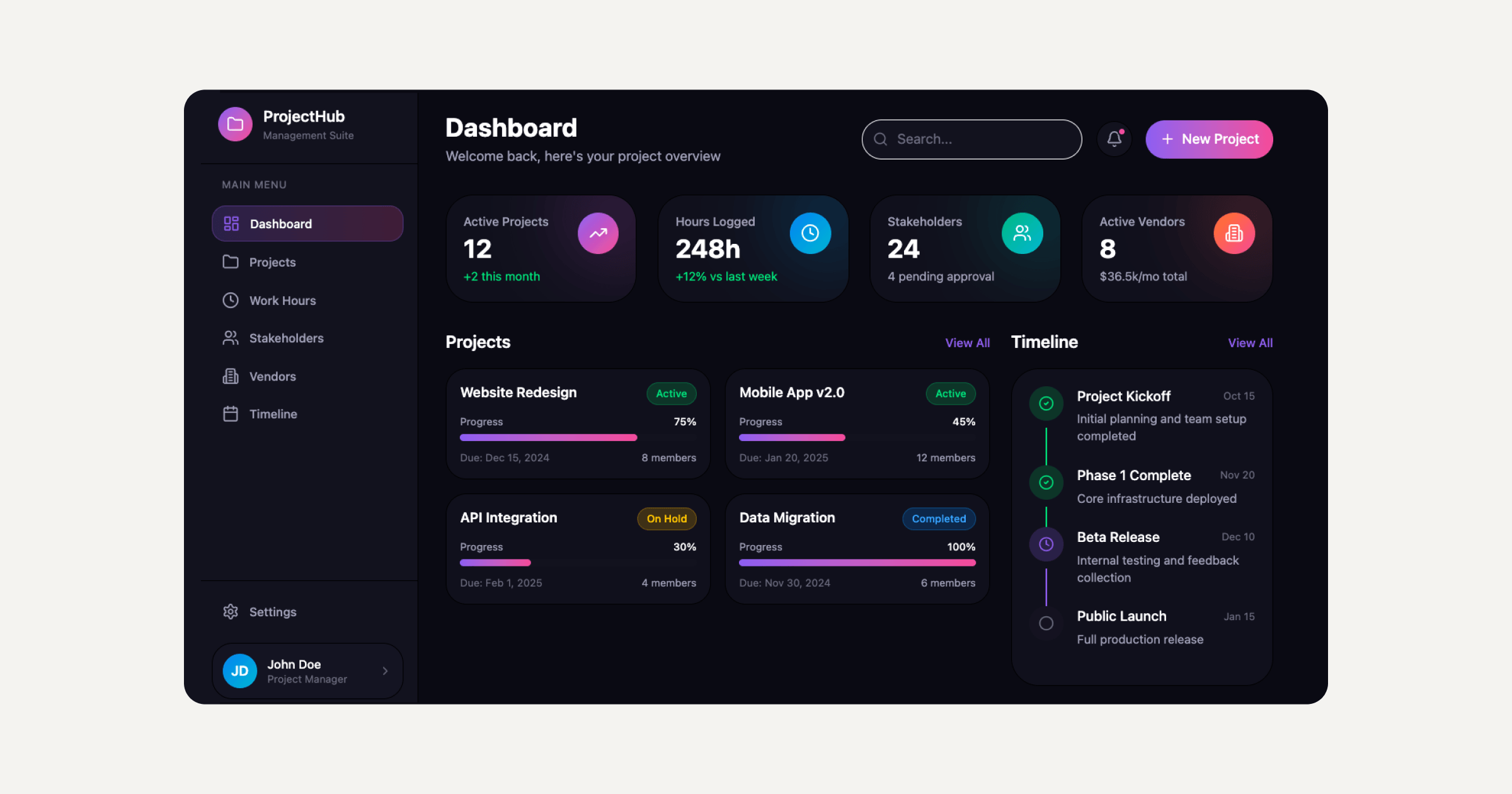
Appsmith is an open-source low-code platform for building internal applications, including admin panels, dashboards, and CRUD interfaces. Its Community edition is open source and self-hostable at no cost. The cloud Free plan caps out at 5 users, 5 workspaces, and 3 Git repositories. The Business tier removes those workspace and repository caps and adds email and chat support, billed per user. The Enterprise tier adds SAML or OIDC single sign-on, SCIM provisioning, and 24/7 SLA-backed support. Appsmith uses Git-based version control for applications and connects to external data sources including databases and REST APIs, though its pricing page doesn’t detail the backend architecture behind those connections.
RapidNative vs Appsmith at a glance
| Dimension | RapidNative | Appsmith | Sticklight |
|---|---|---|---|
| What it is | AI tool that converts prompts, sketches, documents, or screenshots into React Native app code | Open-source low-code platform for internal applications | Vibe-coding platform that turns a prompt into production-ready output |
| Output | React Native mobile app code | Browser-based internal apps: admin panels, dashboards, CRUD interfaces | Production-ready websites, apps, dashboards, CMS, and internal tools |
| Backend / data | Not detailed on the vendor’s pricing page | Connects to external databases and REST APIs; backend architecture not detailed on the pricing page | Generates the application layer as part of a single prompt-to-publish flow |
| Publish / hosting | Exports source code or publishes directly to app stores | Cloud-hosted, or self-hosted via the open-source Community edition | Publish is included in the Prompt to Build to Publish flow |
| Best for | Founders, PMs, designers, developers, freelancers, and agencies building mobile apps from prompts or design references | Teams building internal business tools, including those that want a self-hosted, open-source option | Professional web creators who want full-stack, production-ready output from one prompt, additive to WordPress and Elementor |
| Entry pricing | Free plan at $0 per month (20 credits); paid plans start at $20 per month (Starter) | Free cloud tier at $0 per month (up to 5 users), and a free self-hosted Community edition; paid plans start at $15 per user per month (Business) | Additive to your WordPress/Elementor stack |
How the two price their plans
RapidNative and Appsmith meter usage differently. RapidNative runs on credits: each tier, Free, Starter, Pro, Max, Ultra, grants a set number of credits per month, annual billing brings the effective monthly cost down, and Enterprise pricing is available on request. Appsmith meters mainly by user seat on its cloud plans: the Free tier caps at 5 users, Business bills per user up to a cap of 99 users, and Enterprise starts at $2,500 per month for 100 users with custom scaling beyond that. Appsmith’s Community edition sits outside that per-user model entirely, since it’s free and self-hosted rather than a metered cloud plan.
Where a full-stack creator platform fits in
RapidNative and Appsmith solve different problems: one generates mobile app code from a prompt or design reference, the other builds and hosts internal web applications. Sticklight is a different kind of tool again. It’s a vibe-coding platform for professional web creators, built by the Elementor team and powered by Claude, that turns a prompt into production-ready output, including websites, apps, dashboards, CMS, and internal tools, following a Prompt to Build to Publish flow with publishing included. It’s additive to WordPress and Elementor rather than a replacement for either.
If you need more than a single mobile app or a single internal tool, and you’d rather work with one platform that produces a range of full-stack, production-ready output from a prompt while staying connected to your existing WordPress and Elementor workflow, Sticklight is worth evaluating alongside RapidNative and Appsmith. Sticklight pricing isn’t published on this page; check Sticklight’s site directly for current plans.
What used to sit firmly outside my scope is just an ordinary Tuesday for me now, and I still notice the gap.
Itamar Haim
Frequently asked questions
What’s the main difference between RapidNative and Appsmith?
RapidNative generates React Native mobile app code from prompts, sketches, documents, or screenshots. Appsmith is a low-code platform for building browser-based internal applications like admin panels and dashboards. They produce different kinds of output for different use cases.
Is Appsmith free to use?
Yes. Appsmith offers a free cloud plan capped at 5 users, 5 workspaces, and 3 Git repositories, and its Community edition is open source and self-hostable at no cost.
Does RapidNative have a free plan?
Yes. RapidNative’s Free plan is $0 per month and includes 20 credits per month. Paid plans start at $20 per month for the Starter tier.
Can I self-host Appsmith?
Yes. Appsmith’s Community edition is open source and built to be self-hosted, separate from its metered cloud plans.
Where does Sticklight fit next to RapidNative and Appsmith?
Sticklight is a vibe-coding platform for professional web creators that turns a prompt into production-ready websites, apps, dashboards, CMS, or internal tools, and it’s additive to an existing WordPress and Elementor stack rather than a like-for-like replacement for either RapidNative or Appsmith.
Built by the Elementor team. Powered by Claude.
Let it glow.
