Recruitment app development

Recruitment app development is the process of building a piece of software, usually a custom applicant tracking tool, that carries a hiring team from posting a role to making an offer, without relying on spreadsheets, shared inboxes, or a generic system that does not match how the team actually works. Done well, it gives HR teams and recruiters one place to publish openings, review applications, move candidates through a pipeline, schedule interviews, and report on hiring progress to founders and leadership.
This guide walks through what a recruitment or applicant tracking app needs to work well in practice, then lays out a build path for creating one, including where a platform like Sticklight fits.
- A working recruitment app needs six core parts: job postings, an application flow, a candidate pipeline with status tracking, interview scheduling, notes and collaboration, and reporting dashboards.
- Candidate data is sensitive personal information and should be handled with the same care as any other HR record, with access limited to the people involved in that hire.
- Pipeline-and-dashboard tools like applicant trackers are a strong fit for prompt-first building, because the stages, statuses, and roles are well understood before you start.
- Sticklight lets you prompt a candidate pipeline and a recruiter dashboard together, then refine the layout and logic by hand on the canvas.
- Skills add packaged expertise, such as accessibility or design system consistency, to the build with one click.
- A recruitment app built in Sticklight can connect to an existing WordPress or Elementor careers site, so public listings and the internal pipeline stay in sync.
What recruitment app development actually means
Recruitment app development means designing and building the specific tool a hiring team uses to run its process, rather than reshaping the team’s process to fit a generic product. Many teams reach for an off-the-shelf applicant tracking system first, and that is a reasonable starting point. But once a company has particular pipeline stages, a specific interview format, or a careers page it wants tied directly to internal review, a purpose-built app tends to fit better than a one-size-fits-all tool.
A recruitment app takes a person from “saw a job posting” to “received an offer or a rejection,” and gives the hiring team visibility into every step in between. The technical pieces are not exotic: a form, a list with statuses, a calendar, a place for notes, and a dashboard. What matters is getting those pieces to match how your team actually hires, not how a template assumes it hires.
Job postings and the application flow
Every recruitment app starts with a way to publish a role and a way for someone to apply to it. The posting itself needs a title, a description, the team or department, and enough detail that a candidate can self-select in or out before applying. Some teams also want control over which postings stay public versus internal.
The application flow is the form and the steps that follow submission. Keep the form focused: name, contact details, a resume upload, links to relevant work, and a small number of screening questions when the role calls for them. A long form with unnecessary fields tends to lose candidates before they finish it, and once submitted, the application should land directly in the pipeline, not in a shared inbox someone has to check by hand.
The candidate pipeline and status tracking
The pipeline is the part of a recruitment app that turns a pile of applications into a process. Typical stages look something like new application, screening, interview, offer, hired, and rejected, though the exact stages should match how your team actually reviews people.
Each candidate needs a clear status at every point, visible to everyone on the hiring team without anyone having to ask. A well-built pipeline also keeps a record of when a candidate moved between stages, which matters both for internal reporting and, in many regions, for how long applicant data can be retained.
Because a pipeline holds personal information about real people, including resumes, contact details, and interview notes, access should be limited to those involved in that specific hire, not open across the company by default.
Interview scheduling without the back and forth
Scheduling is often where a hiring process slows down, usually because it happens over email or chat instead of inside the tool that already holds the candidate’s information. A recruitment app should let a recruiter propose times, confirm with everyone involved, and log the interview against that candidate’s record, without leaving the pipeline view.
For panel interviews, scheduling also needs to account for several participants and their availability, plus a way to note who is covering what, so the panel is not repeating the same conversation with a candidate.
Notes and collaboration across the hiring team
Interview notes and feedback are where hiring decisions actually get made, so they need a home inside the same app as the pipeline. Each interviewer should be able to leave structured feedback tied to the candidate and the specific interview, and a recruiter or hiring manager should see all of it before a decision is made.
Because notes often include candid opinions about a real person, treat this part of the app like any sensitive HR record: visible to the hiring team for that role, not broadcast more widely, and retained only as long as policy requires.
Reporting dashboards recruiters actually use
A reporting dashboard turns the pipeline into something a founder or HR lead can use to run the hiring function. Useful views typically include how many candidates sit at each stage, how long roles have been open, where candidates drop out of the process, and which postings draw the most interest.
None of this needs to be elaborate. A few clear counts and charts, built from the same pipeline data, tell a hiring team more than a long written report would. The goal is a dashboard someone checks in a spare moment, not one they schedule time to read.
Why this kind of tool is a strong fit for Sticklight
A recruitment app is, structurally, a pipeline with statuses plus a dashboard on top of it, and that combination is a strong fit for building with Sticklight. The stages are well defined, the data model is straightforward (candidates, roles, statuses, notes, interviews), and the reporting layer extends naturally from the same data. That is the kind of internal tool Sticklight is built for: apps and dashboards beyond a traditional website, generated from a prompt and refined by hand.
Because Sticklight hands full control back to the creator after the build, an HR team or a technical hire on staff can prompt the pipeline, then adjust field names, stage names, and dashboard views to match how the company actually hires.
A build path: from prompt to a working recruitment pipeline
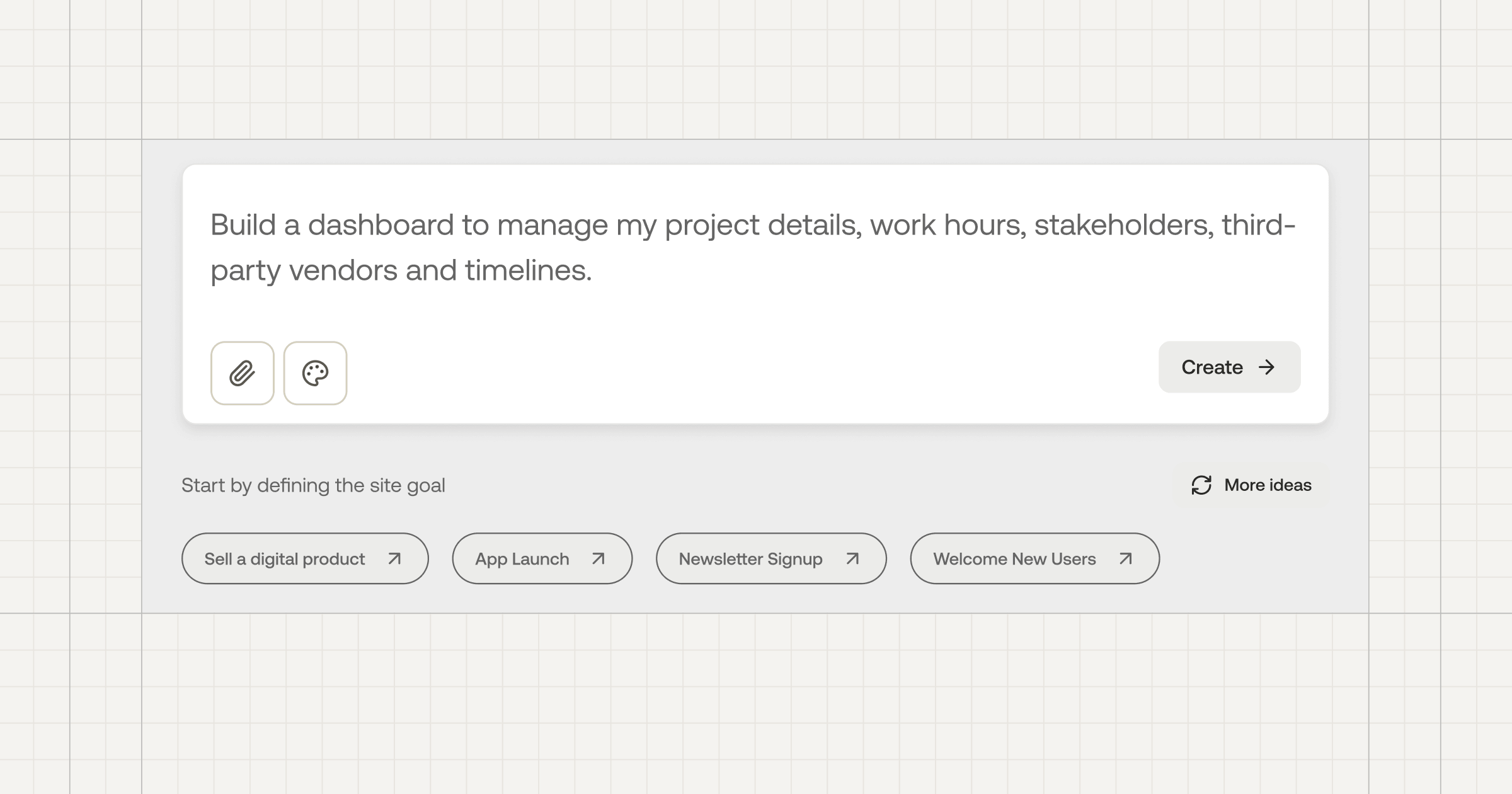
A practical way to build a recruitment app in Sticklight starts with one prompt that describes both halves at once: the candidate pipeline recruiters will use day to day, and the reporting dashboard sitting on top of it. Naming the stages, the fields you need on each candidate record, and the summary views you want gives the first build a strong starting shape.
- Prompt the candidate pipeline and recruiter dashboard together, describing stages, fields, and the reports you need.
- Refine on the canvas: adjust pipeline stages, tighten the application form, and rearrange the dashboard so the numbers that matter most sit up front.
- Add a Skill, such as Accessibility or Design System, to apply packaged expertise to the build with one click.
- Connect your data, whether existing candidate records, current open roles, or a spreadsheet you have been using, so the pipeline launches with real information.
- Publish, with a security scan and the option to connect a custom domain.
If your public job listings already live on a WordPress or Elementor careers site, the internal pipeline can connect to that same site, so a public posting and the internal application flow stay in sync instead of running as two disconnected systems.
I keep a log of every dumb mistake because the same ones quietly repeat if I never write them down.
Itamar Haim
Built by the Elementor team. Powered by Claude.
Let it glow.