
Retool vs Sticklight: internal tools vs full-stack creation

Retool vs Sticklight compares two different kinds of builders. Retool is a platform for building internal business applications and automations that connect to your company’s own databases and APIs. Sticklight is a vibe-coding platform that turns a prompt into a production-ready website, app, dashboard, CMS, or internal tool, and publishes it.
The two tools cover overlapping but distinct needs, so the right pick comes down to what you’re building and who’s building it.
- Retool connects to your company’s existing databases and APIs to produce internal admin panels, dashboards, and workflow automations.
- Retool pricing starts at a free tier capped at 5 users and 500 workflow runs per month, with paid Team and Business plans billed per builder and per internal user seat.
- Sticklight turns a prompt into production-ready output, including websites, apps, dashboards, CMS setups, and internal tools, then publishes the result.
- Sticklight is built by the Elementor team and works alongside WordPress and Elementor rather than replacing them.
- Retool’s drag-and-drop builder needs JavaScript or SQL for custom app logic; Sticklight starts from a prompt.
- Don’t decide on price alone. Retool’s cost scales with seats and usage, so check retool.com for current figures, and judge Sticklight on fit for the output you need.
What Retool does.
Retool is a software platform for building internal business applications and automations that connect to your company’s own data sources. Teams use it to assemble admin panels, support tools, and dashboards on top of existing databases and APIs, combining a drag-and-drop UI builder with JavaScript or SQL for the logic that connects components to data. Retool also includes workflow automation, meaning scheduled or triggered runs, as a feature separate from the app builder itself.
Retool is available as a cloud product or self-hosted, with pricing that mirrors across both deployment options. That makes it a fit for engineering and operations teams who already have a database and need a faster way to put a usable interface in front of it, without exposing that data outside the company.
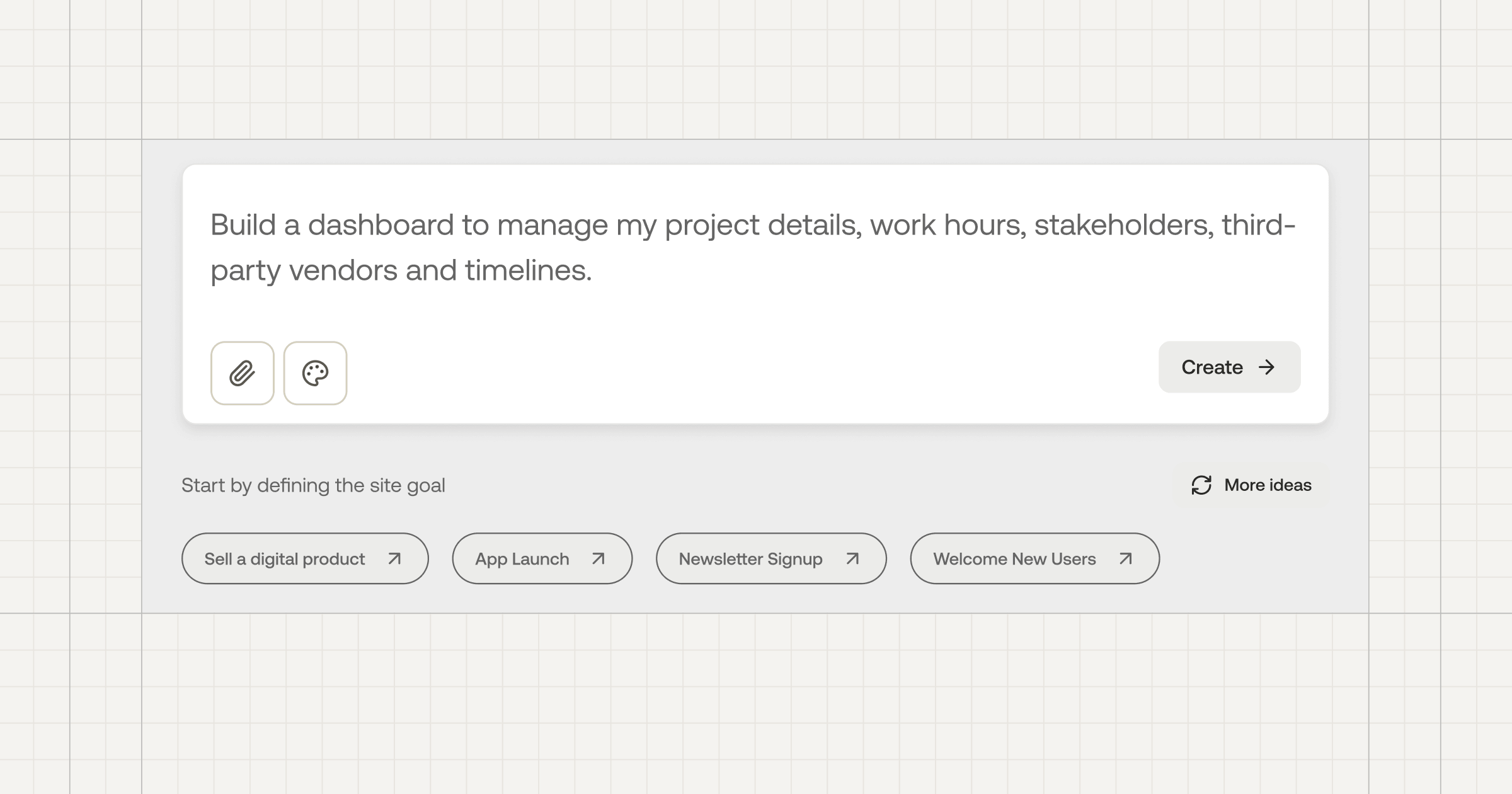
What Sticklight does.
Sticklight follows a prompt, build, publish flow. You describe what you want, Sticklight generates production-ready output, and that output gets published. The scope goes beyond a single internal tool: Sticklight can produce websites, apps, dashboards, CMS instances, and internal tools from the same flow. It’s built by the Elementor team and powered by Claude, and it’s additive to WordPress and Elementor rather than a replacement for either. AI agents are coming soon on Sticklight’s roadmap, not a shipped feature today.
Where Retool assumes you’re connecting to data you already manage, Sticklight assumes you’re starting from a prompt and aiming for a finished, published product.
Retool vs Sticklight at a glance
| Dimension | Retool | Sticklight |
|---|---|---|
| What it is | Platform for building internal business applications and automations on a company’s own data | Vibe-coding platform that turns a prompt into production-ready websites, apps, dashboards, CMS, and internal tools |
| How you build | Drag-and-drop UI builder plus JavaScript or SQL for app logic | Prompt to build to publish |
| Backend / data | Connects to a company’s own databases and APIs, customer-hosted | Additive to a WordPress and Elementor stack |
| Publish / hosting | Cloud or self-hosted, pricing mirrored across both | Publish is part of the flow |
| Best for | Ops and engineering teams building internal admin tools on existing data | Professional creators who want a production-ready, published output from a prompt |
| Entry pricing | Free tier at $0 for up to 5 users and 500 workflow runs per month; paid Team and Business plans billed per seat | Additive to your WordPress/Elementor stack |
Pricing, in detail.
Retool’s pricing is verified and published. The Free plan runs $0 per month and caps out at 5 users and 500 workflow runs per month. The Team plan charges $10 per month per builder seat billed annually, or $12 per month billed monthly, plus $5 per month per internal user seat annually, or $7 per month billed monthly. The Business plan charges $50 per month per builder seat annually, or $65 per month billed monthly, plus $15 per month per internal user seat annually, or $18 per month billed monthly. External user pricing on Business and above starts free for the first 0 to 50 users, then moves to tiered per-user rates starting around $8 to $10 per month. An Enterprise plan is available at custom, quote-based pricing. These figures reflect retool.com/pricing as of August 2026 and can change, so check their site for current pricing before you budget.
Sticklight doesn’t publish dollar figures here. What’s worth weighing instead is scope: Retool’s cost is a per-seat, per-tool calculation tied to how many builders and internal users touch a given app, while Sticklight’s value case comes down to how much of the prompt-to-published-product journey a single flow covers.
Choosing between them.
If the job is connecting your team to data you already have, in a database or through an API your company controls, and the output is an internal admin panel, dashboard, or automation meant for internal use by employees, Retool’s model fits that job directly. Its builders are expected to know some JavaScript or SQL, and its pricing is structured around builder and internal-user seats.
If your goal is broader than one internal tool, and you want to go from a prompt to a production-ready website, app, dashboard, CMS, or tool and have it published, Sticklight covers more of that path in one flow. Because Sticklight is built by the Elementor team and designed to work alongside WordPress and Elementor, it fits naturally if you’re already building on that ecosystem and want to extend what you ship without replacing your existing stack.
Nothing kills momentum like losing the thread of an idea while you’re busy fighting syntax. That fight mostly disappeared from my days, and the ideas survive intact.
Itamar Haim
Frequently asked questions
What is the main difference in a Retool vs Sticklight comparison?
Retool is built for connecting to your company’s existing databases and APIs to create internal business applications, using a drag-and-drop builder plus JavaScript or SQL. Sticklight starts from a prompt and produces production-ready websites, apps, dashboards, CMS setups, or internal tools, then publishes them.
Does Retool require coding knowledge?
Yes, for anything beyond simple setups. Retool combines a drag-and-drop UI builder with JavaScript or SQL for custom app logic, so coding familiarity helps once you go past the basics.
How much does Retool cost?
Retool has a free tier at $0 per month capped at 5 users and 500 workflow runs, then Team and Business plans billed per builder seat and per internal user seat, plus a custom Enterprise plan. Check retool.com for current figures, since pricing can change.
Can Sticklight replace WordPress or Elementor?
No. Sticklight is designed to be additive to WordPress and Elementor, working alongside them rather than replacing either.
Is Retool self-hosted or cloud-based?
Both. Retool offers cloud and self-hosted deployment, with pricing that mirrors across the two options.
Built by the Elementor team. Powered by Claude.
Let it glow.