Rork vs Retool: comparing app-generation approaches

Rork vs Retool compares two different categories of app-building platforms. Rork generates mobile and web apps through a chat interface, while Retool builds internal business applications that connect to a company’s own data sources.
Which one fits depends on what you’re building and who it’s for. This page also covers where Sticklight fits for professional creators who want production-ready output from a single prompt.
- Rork runs on a chat interface that generates mobile and web apps and ships them to the App Store.
- Retool is built for internal business tools that connect to a company’s existing databases and APIs.
- Rork uses credit-based monthly plans; Retool uses per-seat pricing split between builder seats and internal user seats.
- Retool separates a drag-and-drop UI builder from a workflow automation layer for scheduled or triggered runs.
- Sticklight is a vibe-coding platform, built by the Elementor team and powered by Claude, that turns a prompt into production-ready sites, apps, dashboards, CMS, and internal tools, and publishes them.
What Rork is
Rork is a conversational platform. You describe an app in a chat interface, and Rork generates it. It’s marketed toward non-technical users and app founders who want to go from an idea to a shipped mobile app. Rork includes a mobile app of its own, so you can build directly from your phone, and generated apps can ship to the App Store. Rork also offers “Rork Max” as a higher-tier AI model option within its paid plans.
What Retool is
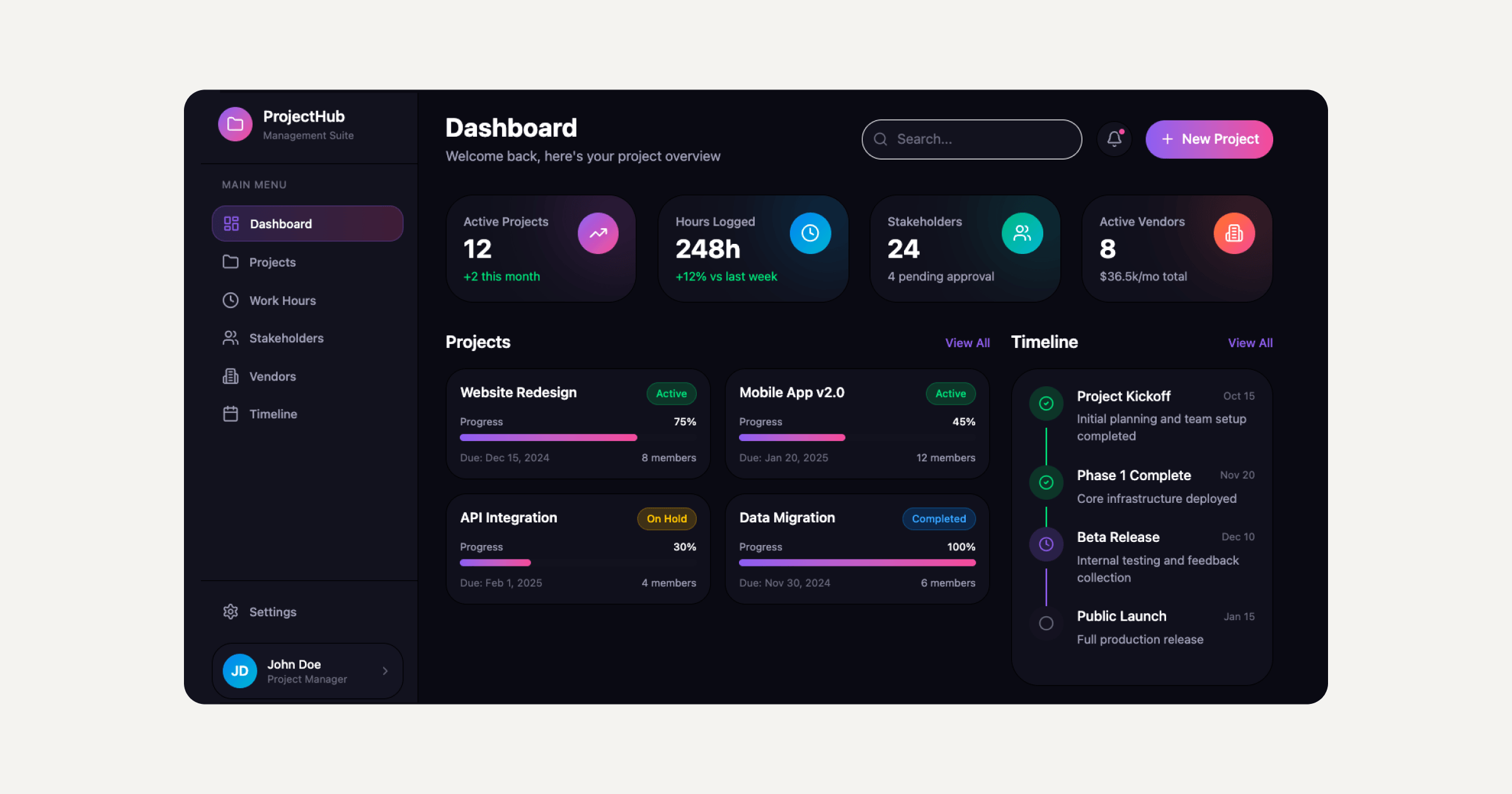
Retool is a platform for building internal business applications and automations. Instead of generating consumer-facing or App Store apps, it connects to your company’s own data, things like internal databases and APIs, and lets you assemble operational tools on top of that data. It combines a drag-and-drop UI builder with JavaScript and SQL for custom logic, plus a separate workflow automation layer for scheduled or triggered runs, distinct from the app builder itself. Retool offers both cloud and self-hosted deployment, with pricing mirrored across the two.
Rork vs Retool at a glance
| Dimension | Rork | Retool | Sticklight |
|---|---|---|---|
| What it is | Conversational, AI-chat-driven app generator | Platform for building internal business applications and automations | Vibe-coding platform: prompt to production-ready output |
| Output | Mobile and web apps, shipped to the App Store | Internal business apps and workflow automations | Production-ready websites, apps, dashboards, CMS, and internal tools |
| Backend / data | Not detailed on Rork’s official pages; generation is chat-driven | Connects to a company’s own databases and APIs | Built by the Elementor team, additive to WordPress and Elementor |
| Publish / hosting | Ships generated apps to the App Store | Cloud or self-hosted deployment | Publish included as part of the Prompt to Build to Publish flow |
| Best for | Non-technical users and app founders shipping a mobile app idea | Teams building internal tools on top of existing company data | Professional creators wanting full-stack, production-ready output from one prompt |
| Entry pricing | Free plan at $0/month; Rork Pro from $20/month (100 credits) | Free plan at $0/month; Team builder seat from $10/month (billed annually) | Additive to your WordPress/Elementor stack |
How pricing is structured
Rork’s paid tiers run on credits. Rork Pro starts at $20 per month for 100 credits and scales up to $100 per month for 500 credits. Rork Max starts at $200 per month for 1,000 credits and scales up to $1,800 per month for 10,000 credits, per Rork’s documentation. Above 10,000 credits a month, or for enterprise terms, pricing moves to a custom quote.
Retool’s Team plan charges $10 per month per builder seat (billed annually, or $12 per month billed monthly) plus $5 per month per internal user seat (billed annually, or $7 per month billed monthly). The Business plan charges $50 per month per builder seat (billed annually, or $65 per month billed monthly) plus $15 per month per internal user seat (billed annually, or $18 per month billed monthly). Retool’s free tier caps at 5 users and 500 workflow runs per month, and Enterprise pricing is custom and quote-based.
A dashboard used to feel like someone else’s project. Now it feels like this week’s project, and I quote it that way.
Itamar Haim
Where Sticklight fits
Rork and Retool both generate applications, but for different audiences and different kinds of output: Rork toward shipping a mobile app from a chat prompt, Retool toward internal tools wired to a company’s own data. Sticklight sits alongside both as a distinct approach. It’s a vibe-coding platform for professional web creators, built by the Elementor team and powered by Claude, that turns a prompt into production-ready websites, apps, dashboards, CMS, and internal tools, and publishes the result as part of the same flow.
If you want one prompt to produce full-stack, production-ready output across multiple formats, rather than a single mobile app or a single internal tool, Sticklight is worth a look. It’s additive to WordPress and Elementor rather than a replacement, so it works alongside your existing site and page-building stack. AI agents are on Sticklight’s roadmap, coming soon rather than shipped today.
If shipping a consumer mobile app from a conversational interface is your priority, Rork remains a purpose-built option on that axis. If wiring internal tools directly into your existing company databases and APIs is the priority, Retool remains a purpose-built option there. The right choice comes down to which of these three shapes of output, mobile app, internal business tool, or full-stack production output, matches the task in front of you.
Frequently asked questions
What’s the main difference between Rork and Retool?
Rork generates mobile and web apps from a chat interface and ships them to the App Store, built for non-technical users and app founders. Retool builds internal business applications and automations that connect to your company’s own databases and APIs, built for teams operating on existing internal data.
Does Rork or Retool cost more to start?
Both offer a free plan at $0 per month. Beyond that, Rork’s paid tiers start at $20 per month for Rork Pro (100 credits), while Retool’s paid tiers start at $10 per month per builder seat plus $5 per month per internal user seat on the Team plan, billed annually.
Can Retool ship apps to the App Store like Rork?
No. Retool is built for internal business applications deployed via cloud or self-hosted infrastructure, not for shipping consumer apps to the App Store. That capability is specific to Rork’s product.
Where does Sticklight fit next to Rork and Retool?
Sticklight is a separate category: a vibe-coding platform that turns a prompt into production-ready websites, apps, dashboards, CMS, and internal tools, then publishes them. It’s additive to an existing WordPress and Elementor stack, rather than a chat-driven mobile app generator or an internal-tools builder tied to company data sources.
Built by the Elementor team. Powered by Claude.
Let it glow.